
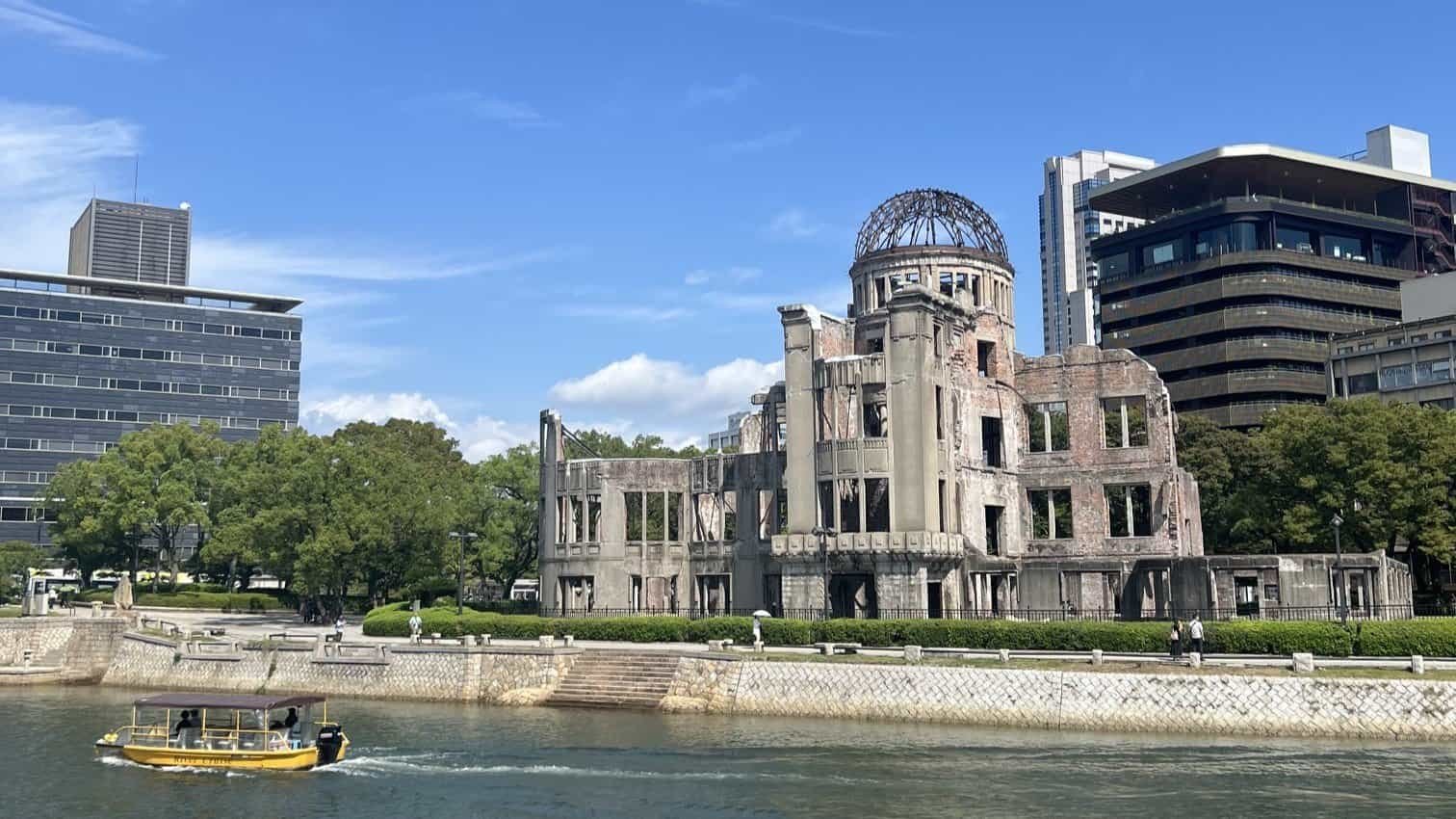
When planning your Japan holiday and where you’re going to be spending your time, there are so many choices to make. Do you want to keep to the main sightseeing cities like Tokyo and Kyoto, or explore some of the more off the beaten path locations? Which brings us to the question especially for first-time visitors: Is Hiroshima worth visiting?
Having visited Hiroshima myself, and supporting many clients with their trips there during my time at a top Japan tour operator, the short answer is a resounding yes. While many people associate Hiroshima just with the Atomic Bomb Dome and the Peace Memorial Park, the city is defined today by much more than its history. It’s an underrated modern city with great food specialities including Hiroshima-style Okonomiyaki, as well as excellent local sake options.
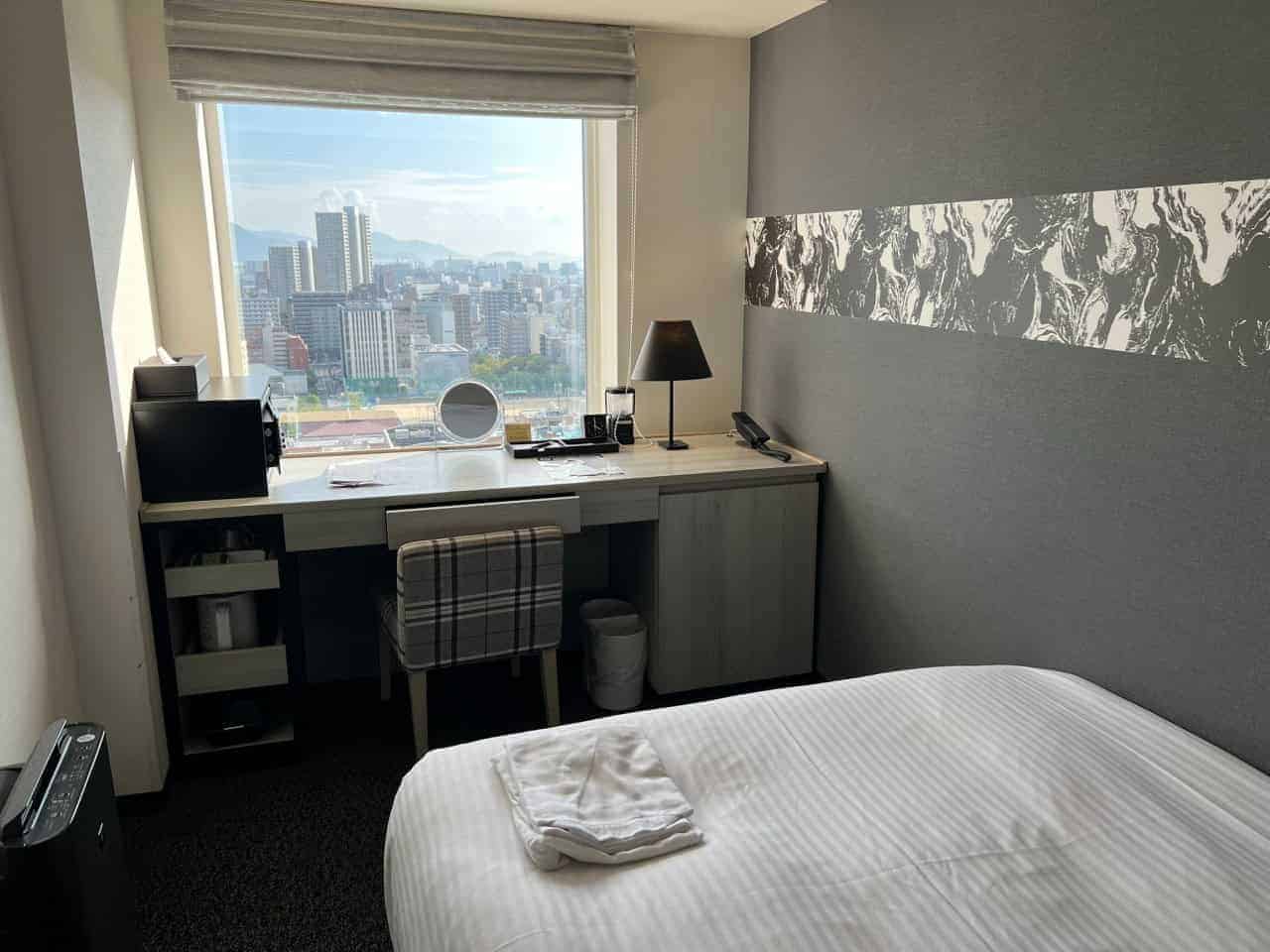
Best of all, Hiroshima offers incredible value. Because it largely avoids overtourism found on the Golden Route not only will you see fewer overseas tourists, but your budget will stretch significantly further here for accommodation. You can find excellent spacious rooms with stunning city views at 4-star hotels, for prices you will struggle to find in Osaka or other major cities.
So if you are on the fence about adding it to your Japan itinerary, here are 5 reasons why Hiroshima absolutely deserves a spot in your Japan trip, along with transport tips on how to make it happen traveling there in style on the Shinkansen using your Japan Rail Pass.
1. The Moving History of the Peace Memorial Park & Museum
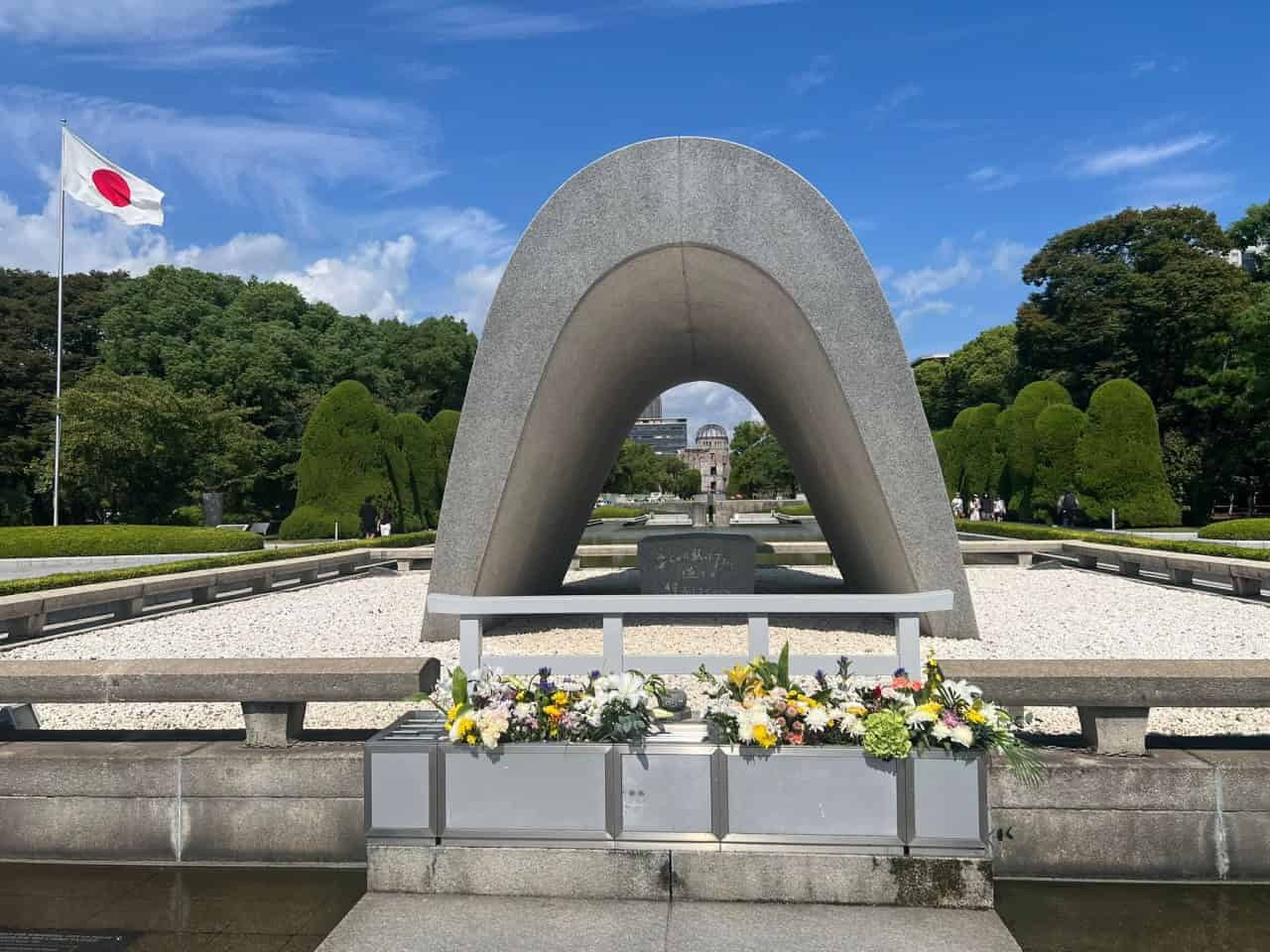
For many, it’s unthinkable to talk about Hiroshima without a mention of the Atomic bombing. The event changed the history of Japan and the world. If you visit the Hiroshima Peace Memorial Park & Museum, it will also very likely change your perspective on life. Honestly I was apprehensive before going into the museum because I was concerned about the scenes I would see. And it is tragic. However it is a deeply emotional experience that will provide you a new understanding on resilience and peace and what is most important in life. Almost like a sharp refocus on your priorities, which will lead to a positive personal experience, and also provides a vital window into modern Japan.
When you get back home, what you learn will probably be one of the highlights of your trip that you will try to explain to your family and friends. I’m extremely glad I visited and what I would suggest for those not wanting to step inside the museum, is that you can still visit the Peace Memorial Park and there is plenty to see walking outside such as the Atomic Bomb Dome building.
2. The Incredible, Unique Food Scene
If you are a foodie, Hiroshima is a place you’ll want to check out. The city lies by the Seto Inland Sea, which means there is great supply of excellent seafood, and the sunny, Mediterranean-like climate makes the region famous for its citrus fruits and seasonal local vegatables including Hiroshima-na. It’s this marriage of fresh ingredients and speciality dishes that makes Hiroshima worth visiting for the food and drinks alone.
Hiroshima-Style Okonomiyaki: What is it?
Without a doubt, this unique way of creating Okonomiyaki is the most well-known Hiroshima speciality. Unlike the Osaka version where ingredients are mixed together into a batter before you start cooking, Hiroshima-style Okonomiyaki layers its savoury pancakes on a flat teppan grill. At the start you put down a thin crepe-like base, then layer on a generous amount of shredded cabbage and pork slices or other protein depending on what you prefer. Then, you fry yakisoba noodles and a fried egg on the side of the griddle before stacking up the layers, and finally adding a rich, sweet savoury sauce and topped with aonori (fine green seaweed).
Watching the chefs assemble these layers at a counter is always good fun and gets your appetite going!
Fresh Local Delicacies
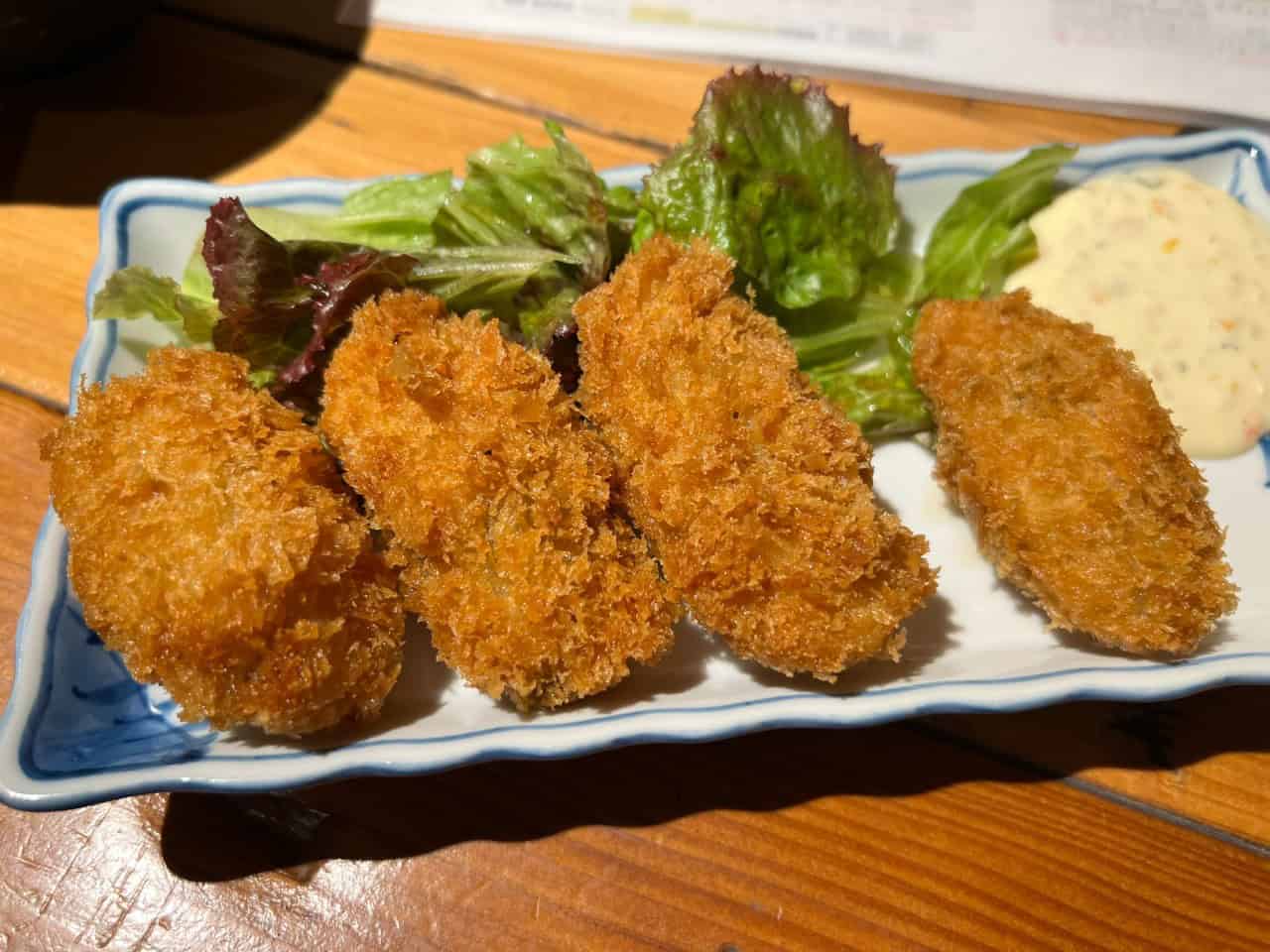
Beyond Okonomiyaki, the region is best-known in Japan for its seafood. The Seto Inland Sea provides perfect conditions for harvesting plump, juicy Hiroshima oysters, which you can find grilled, fried (kaki fry), or served fresh at restaurants across the city. If you like a bit of spice, you also need to try Hiroshima Tsukemen which are cold noodles served with lean pork, cabbage, and a fiery, chili-infused dipping sauce.
Pair It With Local Sake
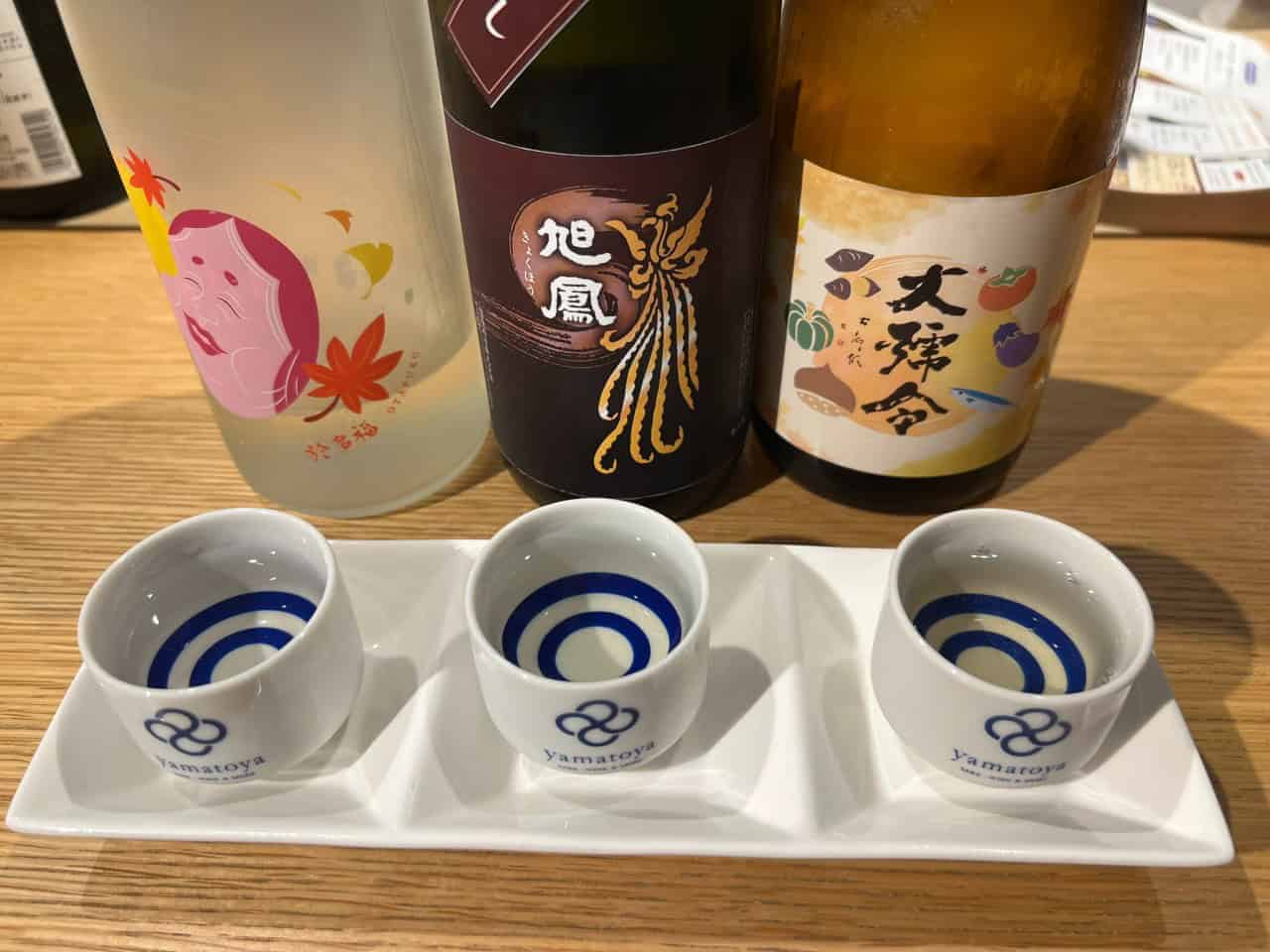
A Hiroshima meal can be made better with a glass of local sake! Hiroshima is actually one of Japan’s premier sake-producing regions, celebrated for its soft water that creates a clean, refined, and balanced profile compared to being too bold or powerful. For sake lovers, visiting a specialised sake bar in the Naka-ku downtown district or take a train ride out of the city to the historic brewing town of Saijo is a must do!
Also, to truly get under the skin of the city’s food culture and skip where all the tourists go, we highly recommend booking a local guided experience. You can check out our full review of Arigato Travel’s Best of Hiroshima Food Tour which we personally joined and throughly enjoyed!
3. Miyajima: Home of the Famous Floating Shrine Gate
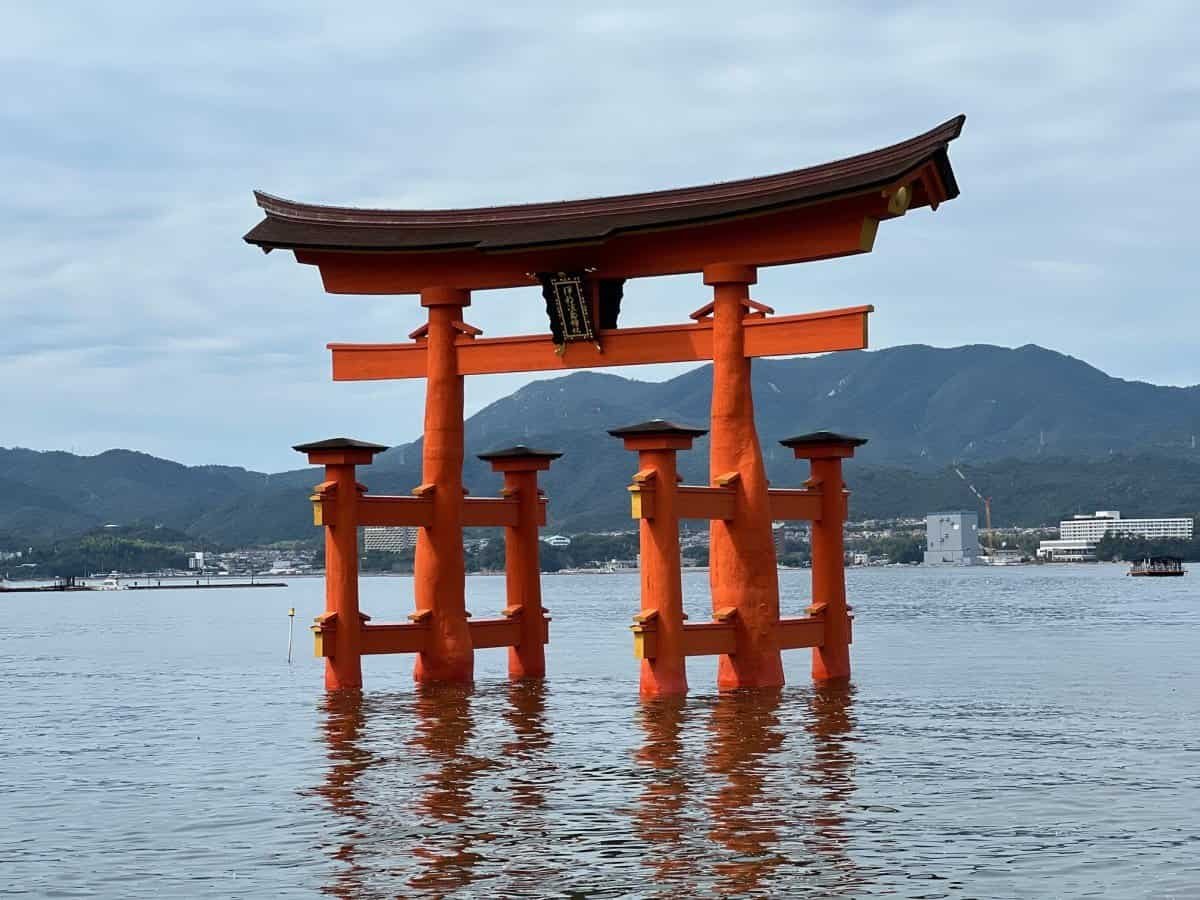
I feel one of the best things about visiting Hiroshima is its proximity to Miyajima Island (Itsukushima). It’s likely you have already seen photos of the giant red Torii gate of Itsukushima Shrine which appears to float in the water at high tide. You can get to Miyajima from Hiroshima with a short train ride and then a quick ferry trip across to the island.
During low tide, the water recedes completely, which allows you to walk right up to its massive wooden pillars although be warned there are quite a few selfie takers here! The island is also home to friendly deer generally looking for food that wander the paths near the shrine, historic temples hidden in the forest on the route up the mountain, and Mount Misen itself. I would say that it is worth taking the scenic ropeway up the mountain to see the breathtaking panoramic views of the Seto Inland Sea islands, and would suggest walking down. Although if are up for the challenge it takes about 90 minutes to 2 hours to climb to the top.
Personally, this was a great hiking experience for me and perfect to do the day after sightseeing in Hiroshima City, but to set expectations, the incline is quite steep!
4. A Refreshing Pace: See a less-crowded side of Japan!
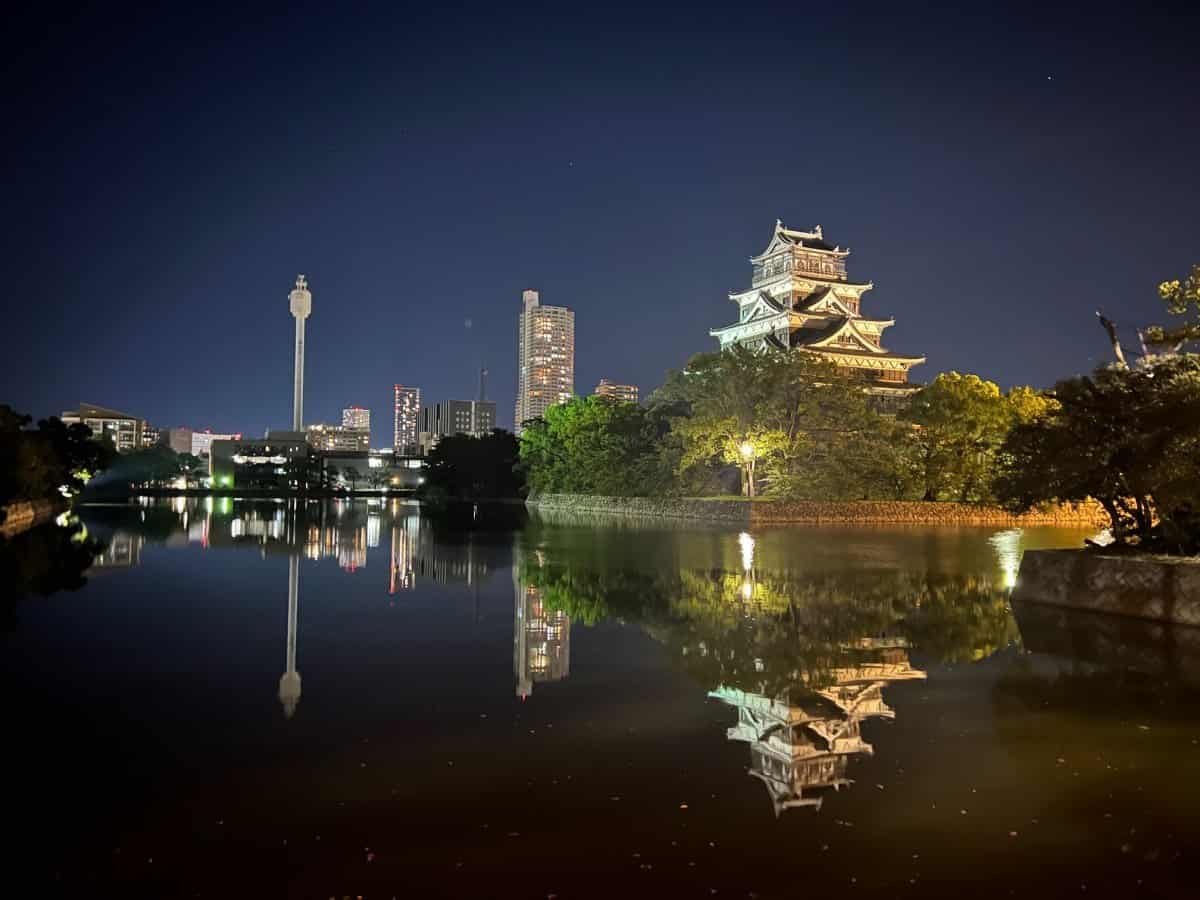
Something that Hiroshima offers is a good amount of breathing space so you can avoid that overtourism feeling you come across in major hubs like Kyoto or Tokyo. With the exception of inside the Peace Memorial Museum, where there are a lot of both Japanese and foreign visitors, the city is not heaving with international visitors. So you won’t find yourself fighting through endless crowds of selfie-sticks or people making a video in each direction you look.
This gives you an authentic glimpse into regular everyday Japanese life, where you can stroll along the river, browse the arcades, or grab lunch at a local spot without sharing the place with tourists that you might easily see in other major destinations.
One memory I have in Hiroshima is chatting with a local taxi driver taking me to the station from the hotel. He used to work in Tokyo before coming back to his hometown of Hiroshima, and was describing exactly this, saying how much he values the city’s ability to maintain a relaxed pace and how the visitors who come to Hiroshima are more respectful and different to the entertainment seekers that head only to Osaka and Tokyo.
5. Perfect Logistics: Shinkansen Travel Times
If you are worried about losing precious time travelling to Hiroshima because it’s so far west of Tokyo, the city is relatively quick to visit and is covered with a Japan Rail Pass. Also, despite Hiroshima being 331 kilometres from Osaka, when you take the Shinkansen bullet train, you can get there in 1 hour 25 minutes from Shin Osaka Station to Hiroshima Station.
This makes it pretty easy to add into your itinerary if you are taking the most popular itinerary route in Japan for first time travellers, and already visiting Osaka or Kyoto. Since the time to Hiroshima is under 2 hours from the Kansai region means if you are just interested in the Hiroshima Peace Memorial Park and Museum and checking out a few city sites such as Hiroshima Castle and Shukkei-en Garden, it is possible to do a day trip from Osaka or even Kyoto, which is 1 hour 40 minutes away by Shinkansen. However, by staying overnight, you can experience more of the city’s food scene, and then include a trip to Miyajima Island on the following day.
For each Shinkansen train journey time to Hiroshima including from Tokyo, along with other useful tips, please check out our dedicated FAQ section below!
Where to Stay in Hiroshima: Getting more for Your Budget
One aspect of visiting Hiroshima often missed is how much further your budget will go compared to the major cities like Tokyo or Osaka. The city is seen to be slightly out of the way, and perhaps too ‘off the beaten path’ for some trips. Due to this you can pick up some shockingly reasonable deals when visiting, especially if you make sure to book a few months ahead.
- The Hiroshima City Advantage: You can find generous-sized rooms with in modern 4-star hotels with stunning city views for much less than what you would pay in Osaka. If you are trying to balance out some more expensive stays on your trip, Hiroshima can also help your budget planning with some more reasonable 3-star options too.
- Location Strategy: If you want convenience, you might want to consider the 4-star Granvia hotel near Hiroshima Station for easy access to the Shinkansen. A short bus (or taxi) ride away is the Naka-Ku (Downtown) district, where you are going to be within walking distance of the best okonomiyaki spots and the Peace Memorial Park.
- My Tried-and-Tested Recommendation: For a good balance of value, location, and those panoramic city views, I’ve shared my full thoughts in my dedicated review of the Mitsui Garden Hotel Hiroshima. The Mitsui Garden Hotel chain does well across Japan to provide a “premium feel” at a reasonable price, and I genuinely think they lived up to this reputation during my stay there.
The Verdict: Is Hiroshima Worth Visiting?
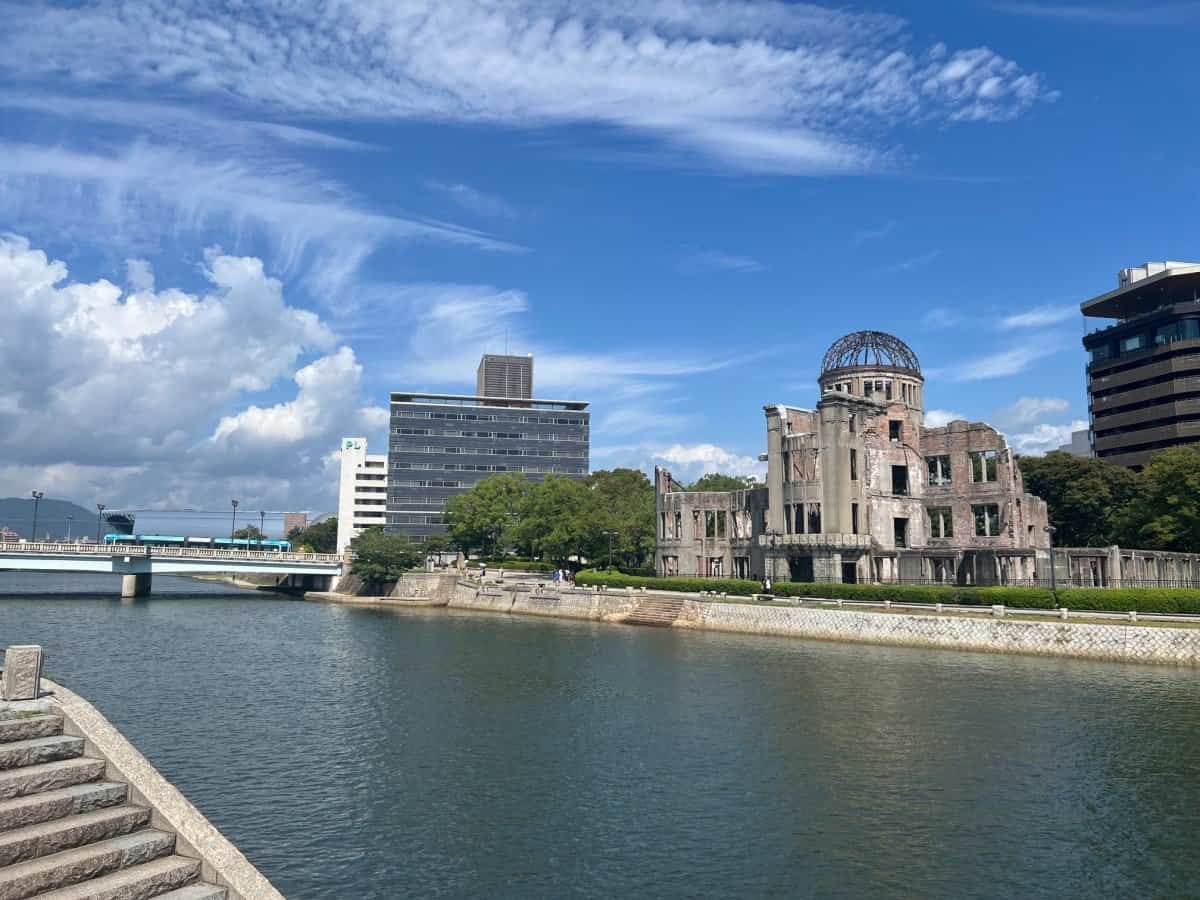
Hiroshima has a way of surprising you. The Peace Memorial Museum and Park is a heavy experience but it’s not one dimensional. It’s a deeply moving experience where you see the stories of the survivors, bringing you closer to them, and will leave you wanting to do your part in making the world a more peaceful place. The resilience of Hiroshima and how it has rebuilt itself is also hard to put into words and impossible to forget.
And going beyond the history, the food and sake scene in Hiroshima is often overlooked, and the city is now full of life with fashionable shopping areas and cool retro-arcades plus it has a cute modern tram line. So if you were on the fence about whether Hiroshima is worth visiting, hopefully this has helped you and Hiroshima has earned its place on your Japan itinerary!
If this has convinced you and you’re planning out your Hiroshima trip, please feel free to check out our Hiroshima Peace Memorial Park & Museum Guide for ticket prices, opening hours, and tips plus explainers especially of the different areas of the Peace Park.
For more travel related posts, why not explore our travel section where you can find out where the Best Mt. Fuji views are in Japan. If you’re interested in Japanese culture, check out our culture section, or head to our Instagram account for posts of fantastic restaurants in the UK (and Japan), festivals, and travel experiences.
All the information and details are correct at the time of publishing. We would recommend checking each relevant website for the latest information.
Hiroshima Travel FAQs: Things to Do, Trains, & Logistics
1. How do I get from Osaka to Hiroshima?
The fastest way to travel from Osaka to Hiroshima is by using JR West’s Sanyo Shinkansen. You board the bullet train at Shin-Osaka Station (different to Osaka station), and you’ll then arrive at Hiroshima Station in just 1 hour and 25 minutes on the Nozomi or Mizuho trains, or about 1 hour and 31 minutes on the Sakura Shinkansen. Something to remember is that if you have a Japan Rail Pass, the Osaka to Hiroshima bullet train journey is fully covered when you take the Sakura service.
2. Can you do a day trip from Kyoto to Hiroshima?
Yes, absolutely! Traveling from Kyoto to Hiroshima takes 1 hour and 40 minutes each way via the direct Nozomi Shinkansen, making a day trip busy but possible if you leave pretty early in the morning. Taking the Kyoto to Hiroshima bullet train is free for JR Pass holders but is not a direct train. You’ll need to take the Hikari Shinkansen from Kyoto to Shin-Osaka for 13 minutes, then change at Shin-Osaka and take the Sakura Shinkansen to Hiroshima.
3. How long is the Tokyo to Hiroshima bullet train ride?
The Tokyo to Hiroshima route runs along the Tokaido and Sanyo Shinkansen lines, meaning its operated by both JR Central and then JR West, but don’t worry both lines are covered by the JR Pass. The distance from Tokyo to Hiroshima is 816 km, and a direct Nozomi Tokyo to Hiroshima Shinkansen will take just under 4 hours from city-center to city-center. For JR Pass holders, you can take the Hikari from Tokyo, which takes 2 hours and a half, and then change at Shin-Osaka to a Sakura train, which brings the total travel time including the transfer time to around 5 hours.
A day trip from Tokyo to Hiroshima is extremely ambitious and you’d need to get up very early and take the direct train to make it worthwhile, and expect to come back late at night. It’s not impossible but probably not something I would recommend.
4. What are the absolute best things to do in Hiroshima City?
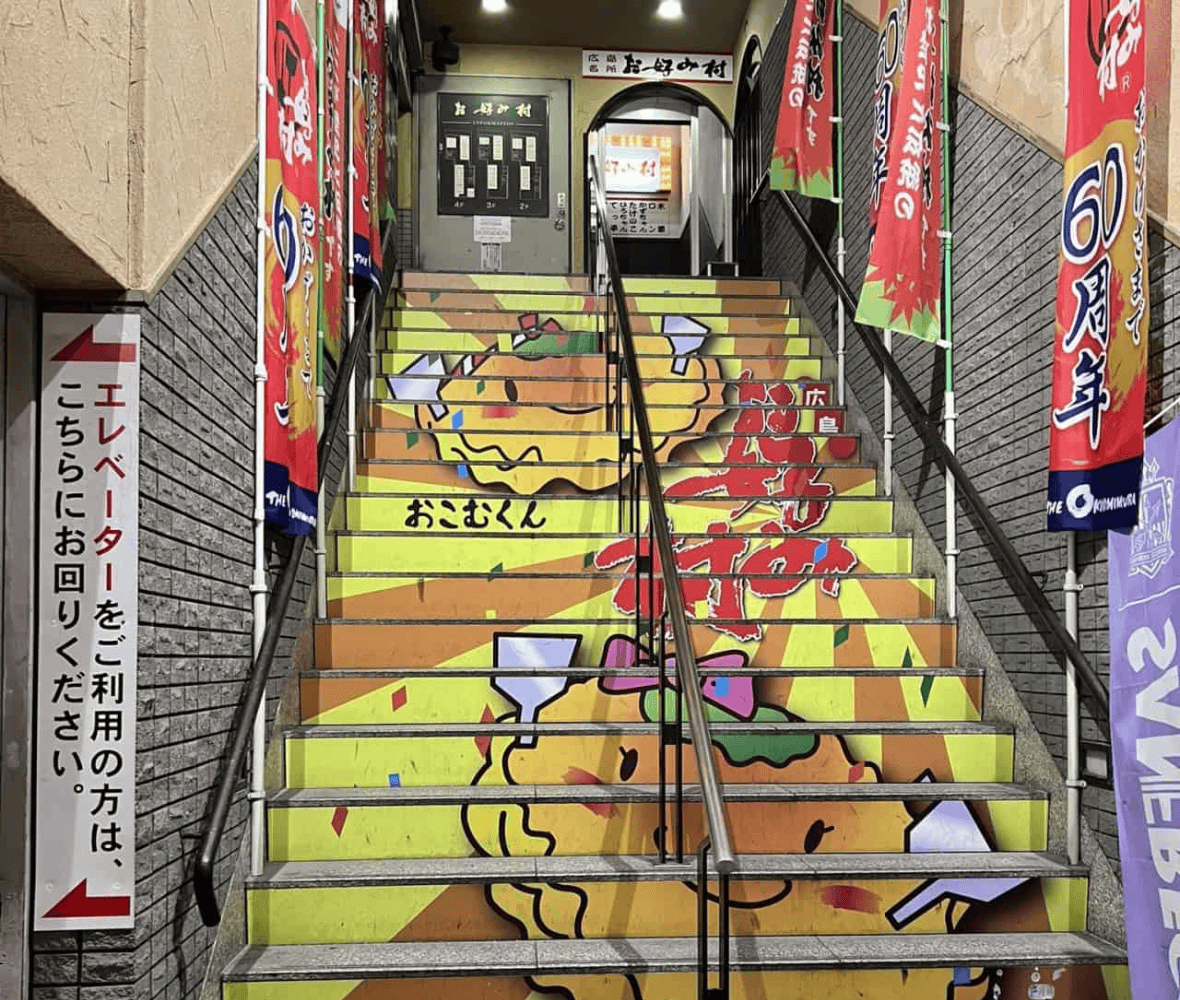
While the most famous things to see in Hiroshima center around the Peace Memorial Park, the Atomic Bomb Dome, and the Museum, there is plenty of other stuff to do in Hiroshima! Make sure to explore Hiroshima Castle, wander through the peaceful Shukkei-en Garden, and spend an evening eating local street food at places likes Okonomi-mura. Additionally, a day trip from Hiroshima to Miyajima Island to see the famous floating torii gate and island really should not be missed!
5. How do you correctly pronounce Hiroshima?
Many English speakers mispronounce the city as “Hero-SHEE-ma” by accident as they have probably heard it called this way before. If you want to know how to pronounce Hiroshima in the right way, remember that Japanese syllables receive equal stress and focus. Break it down into four equal parts: Hi-ro-shi-ma (“Hee-roh-shee-mah”), and make sure to keep your intonation smooth and steady. So that means no sudden ups or downs when saying the city name.

