When looking for places to visit in Japan in winter, Hokkaido has plenty to offer, from big events like the Snow Festival to beautiful off the beaten path locations. So what are the best things to do in Hokkaido in winter?
Most people picture the snow first, especially the powder snow that draws people from around the world to Niseko and Furano, and then the annual Sapporo Snow Festival in February with its huge, creative sculptures. But there’s also much more to do in Hokkaido during the winter season. You can soak in an outdoor onsen while it snows, and head to eastern Hokkaido to watch the red crowned cranes and sea eagles. Then you have the food from miso ramen to fresh seafood, which is worth the trip alone for foodies.
In this guide, we’ll go through 20 of the best things to do, region by region, with tips from local guides and people who live in Japan and know Hokkaido well, together with information on how to get around and where to stay.
Short on time? Here are our top 5 picks for Hokkaido in winter
- Sapporo Snow Festival: you’ll see spectacular snow and ice sculptures with some as large as houses.
- Sapporo ramen: rich miso ramen in the city where it was first made, best on a freezing night.
- Skiing in Furano and the Powder Belt: not as well known as Niseko but you can get knee deep in proper powder snow.
- Abashiri drift ice cruise: sail through the floating sea ice on an icebreaker, where you have a chance to see seals and eagles.
- Noboribetsu Onsen: a steaming volcanic valley with some of the best hot springs on the island.
Sapporo and Otaru in Winter
Sapporo is where most people start their trip to Hokkaido, as New Chitose Airport is only about 40 minutes away by train. It’s a good place to base yourself for the first few days, and you can visit Otaru, Jozankei and Lake Shikotsu as day trips since they are all about an hour away.
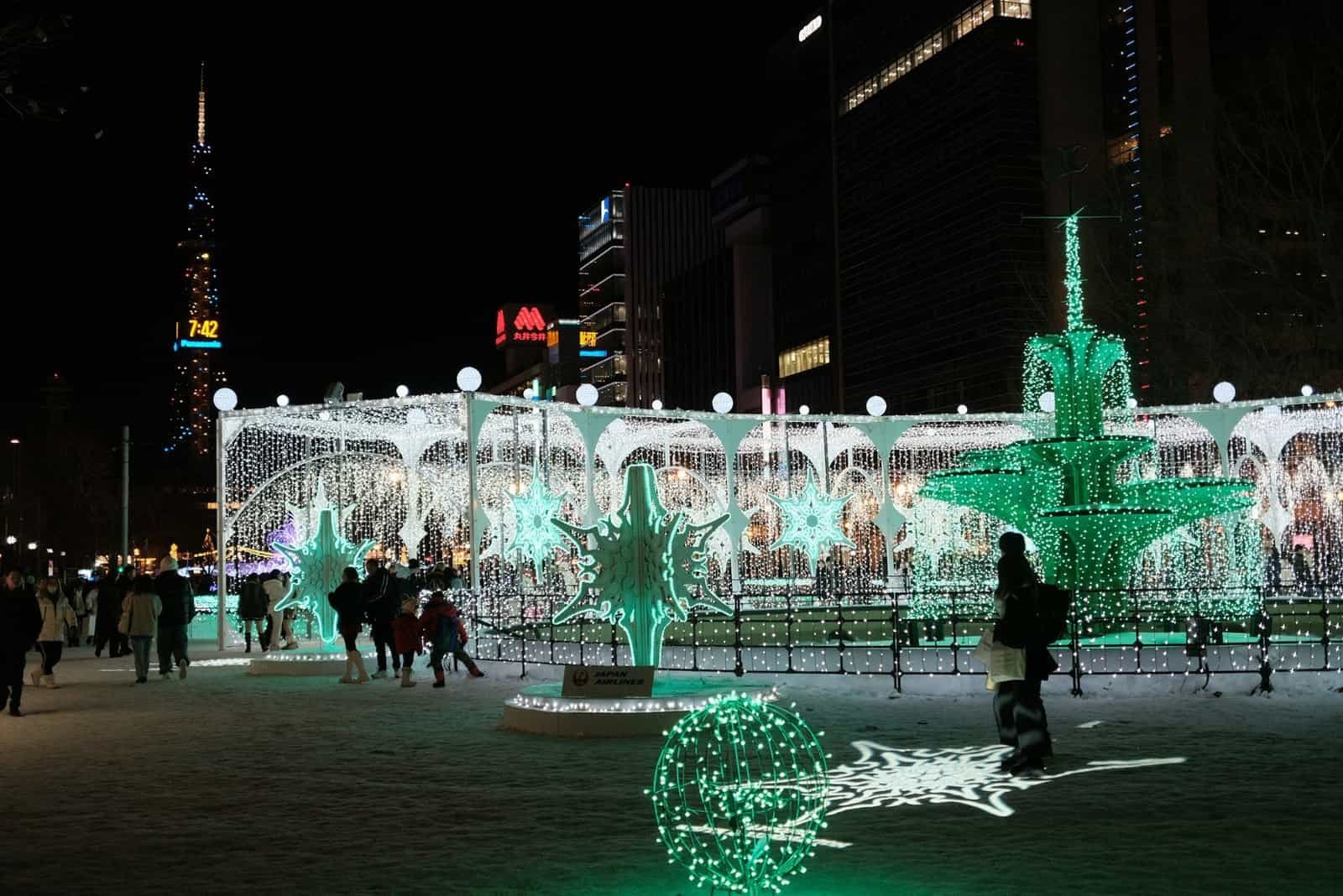
The city is also great for foodies. It’s where miso-flavoured ramen comes from, and while in Sapporo, you should also try Jingisukan, which is grilled lamb that you cook yourself at the table. If you’re visiting in December you’ll be able to see the White Illumination lights in Odori Park and the German Christmas Market right next to it.
1. Sapporo Snow Festival
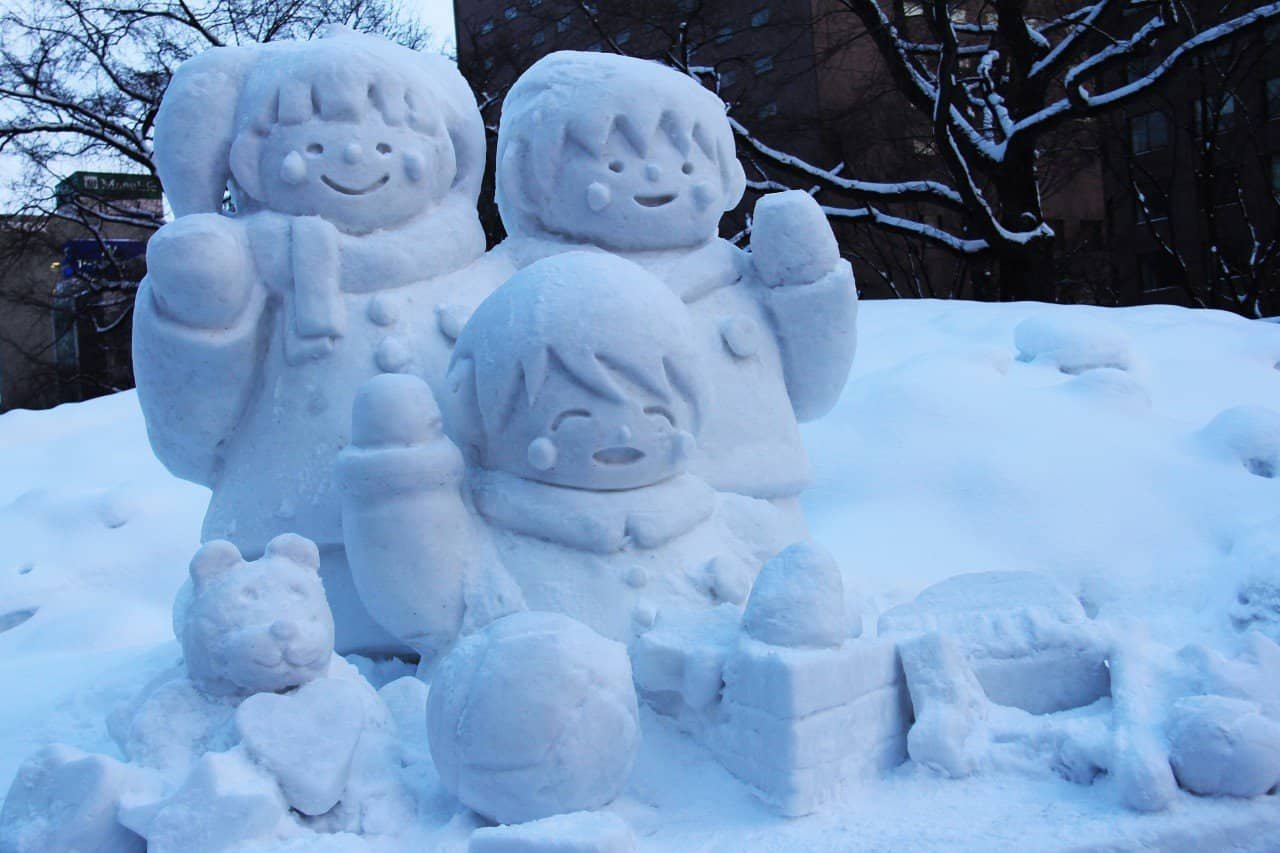
The Sapporo Snow Festival is an extremely popular annual winter event in Hokkaido. In 2027, it runs from the 4th to 11th February, when Odori Park in the centre of the city will be filled with creative snow and ice sculptures. Some of the sculptures are the size of buildings, and because they’re lit up every evening until 10pm, it’s worth walking the park once in daylight and then again after dark. There are three sites to walk round. Odori Park has the big sculptures, Susukino has ice sculptures you can get close to, and kids will no doubt love the giant snow slides at Tsudome.
Good to know: You can walk to Odori Park from Sapporo Station and it’s free to visit all three sites. Hotel rooms in central Sapporo at the time of the festival get booked quickly, so we’d recommend making a reservation well ahead of time.
If you’re heading to the Snow Festival from Sapporo Station, take the underground walkway known as Chi-Ka-Ho to Odori. It’s a handy way to stay warm and avoid icy pavements before you head outside to see the snow sculptures.
Yukiko, PR for the UK Hokkaido Association from Sapporo
2. Sapporo Beer Museum and Jingisukan
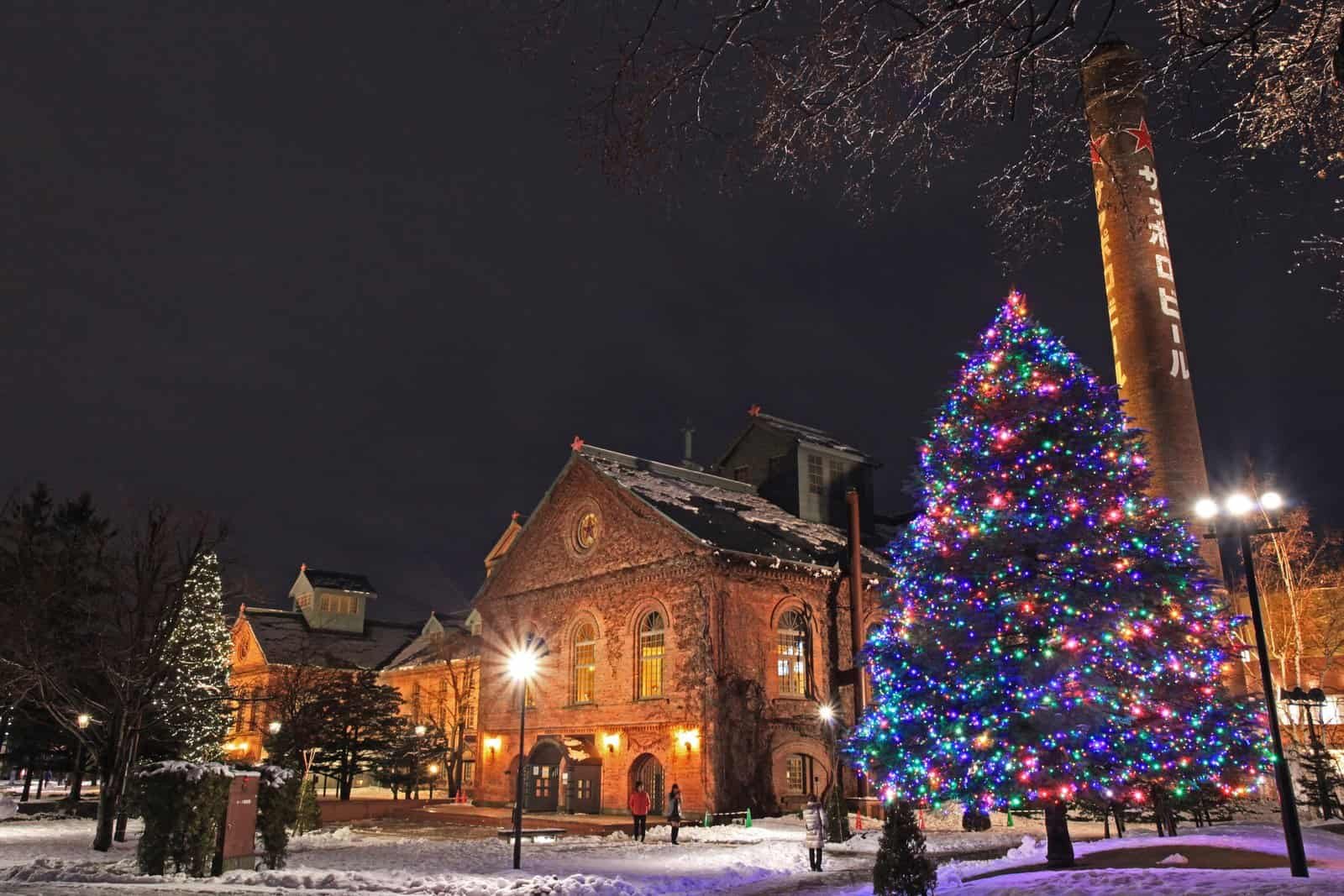
When the weather turns, and in Sapporo it often does, the Sapporo Beer Museum is a great place to head. It’s in an old red brick building from the Meiji era, and you can learn all about the history of Japan’s oldest beer brand for ¥1,000 with a self guided tour. If you want to try a beer made to one of the original recipes, it’s worth paying ¥2,000 for the guided tour.
Next door is the Sapporo Beer Garden, and this is where you should try Jingisukan. It’s grilled lamb that you cook yourself on a dome shaped grill at your table, and the smell of it sizzling away is hard to resist on a cold day. Have it with a cold beer brewed in Hokkaido and you’ve got the perfect Sapporo experience.
Good to know: It’s about an 8 minute walk from JR Naebo Station, or you can get a bus straight there from Sapporo Station. The museum is open every day from 11am to 6pm, and it’s a good idea to book the tour in advance as there’s only space for 16 people, along with the beer garden too if you’re going at the weekend.
3. Sapporo Ramen, Soup Curry and Nijo Market
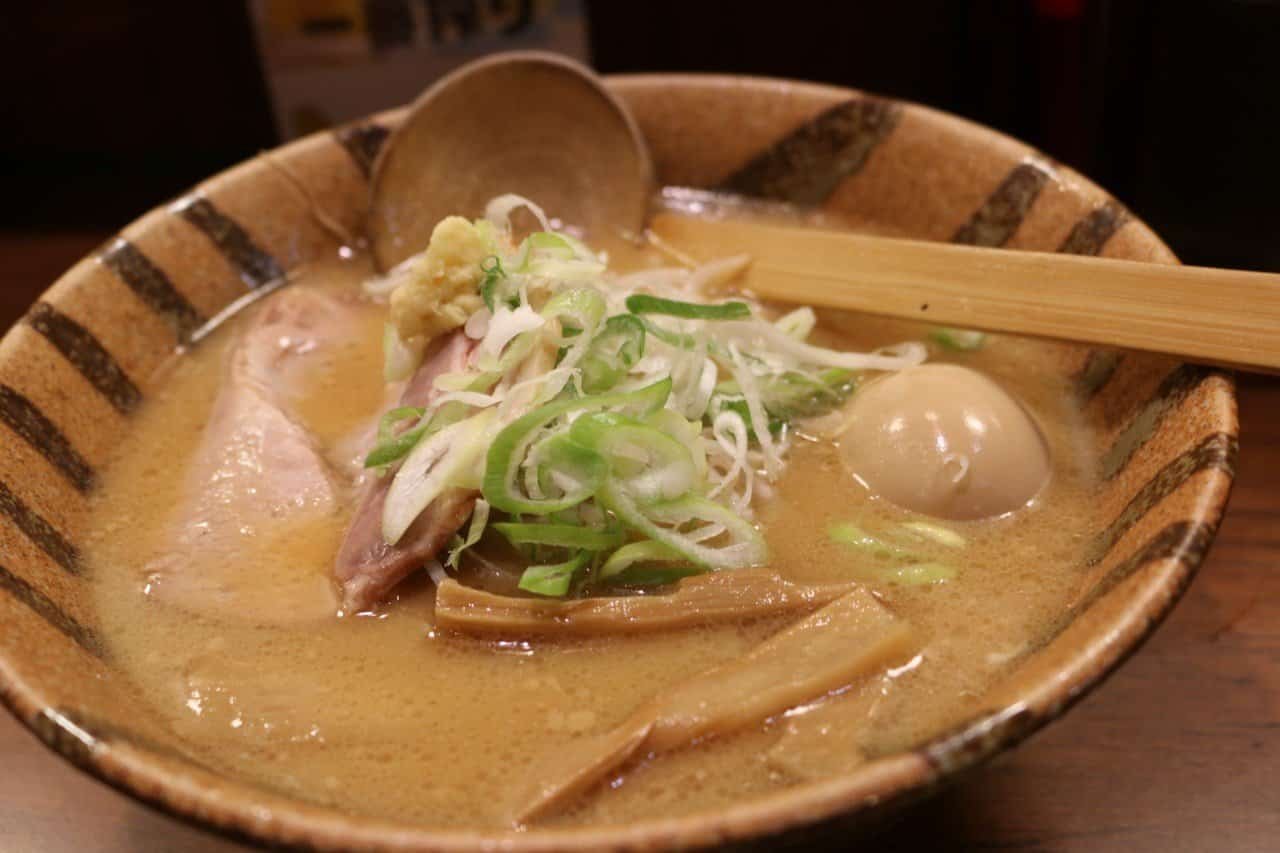
Sapporo is where miso ramen was first made at a shop called Aji no Sanpei. It’s thick and rich, often with butter and sweetcorn on top, and there’s nothing better after a day walking around in the snow. For your first miso ramen bowl, head down to Ramen Yokocho in Susukino. It’s a narrow little alley with around 17 shops that’s filled with the captivating smell of miso.
You should also try soup curry while you’re here. It’s nothing like the Japanese curry and rice you might know. Soup curry is basically a spicy broth with the classic version coming with a whole chicken leg and big pieces of vegetables. Seafood fans should set an alarm for Nijo Market, where breakfast is a bowl of rice piled high with crab, sea urchin and scallops.
Good to know: Nijo Market is only a few minutes’ walk from Odori Park. Ramen shops may not be open each day so check before going.
4. Jozankei Onsen
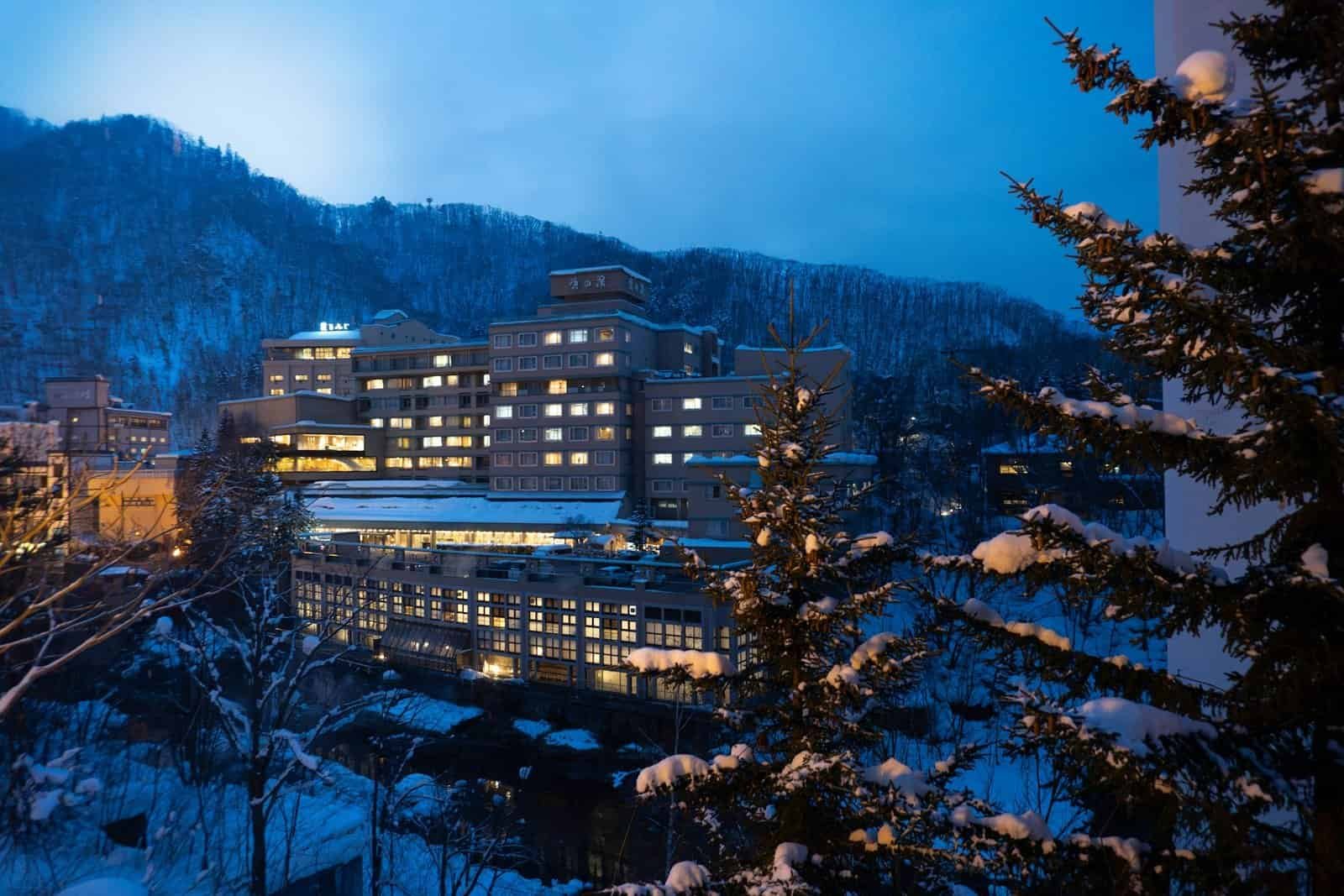
Jozankei Onsen is about an hour out of Sapporo, up in the Toyohira River valley, with many indoor and outdoor hot spring baths. Sitting in the outdoor baths there is quite a special experience, with snow falling around you and steam rising off the water.
Something else you may notice while in the town are the Kappa statues (river creatures from Japanese folklore). There are more than twenty of them which you can spot while walking around, as the town has kind of adopted them as its mascot. As many hotels let day visitors use their baths, you don’t necessarily have to stay overnight here for an onsen experience.
Good to know: The local Jotetsu bus from Sapporo Station takes about 80 minutes and costs ¥1,000, or you can book the faster Kappa Liner for ¥1,700 (about an hour). Day baths at the hotels cost around ¥1,000 to ¥2,000, and there are free foot baths around town too.
5. Otaru Snow Light Path and Canal
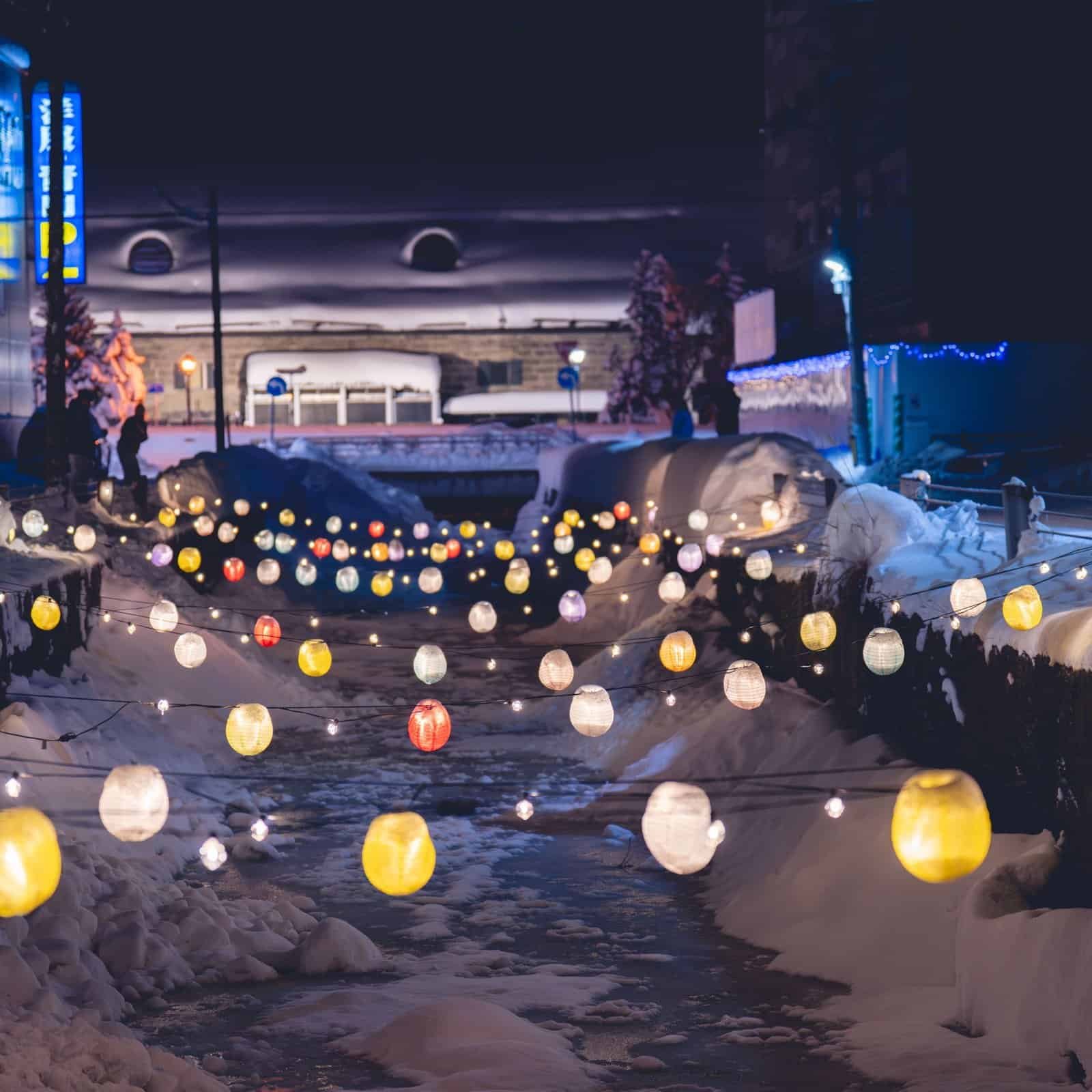
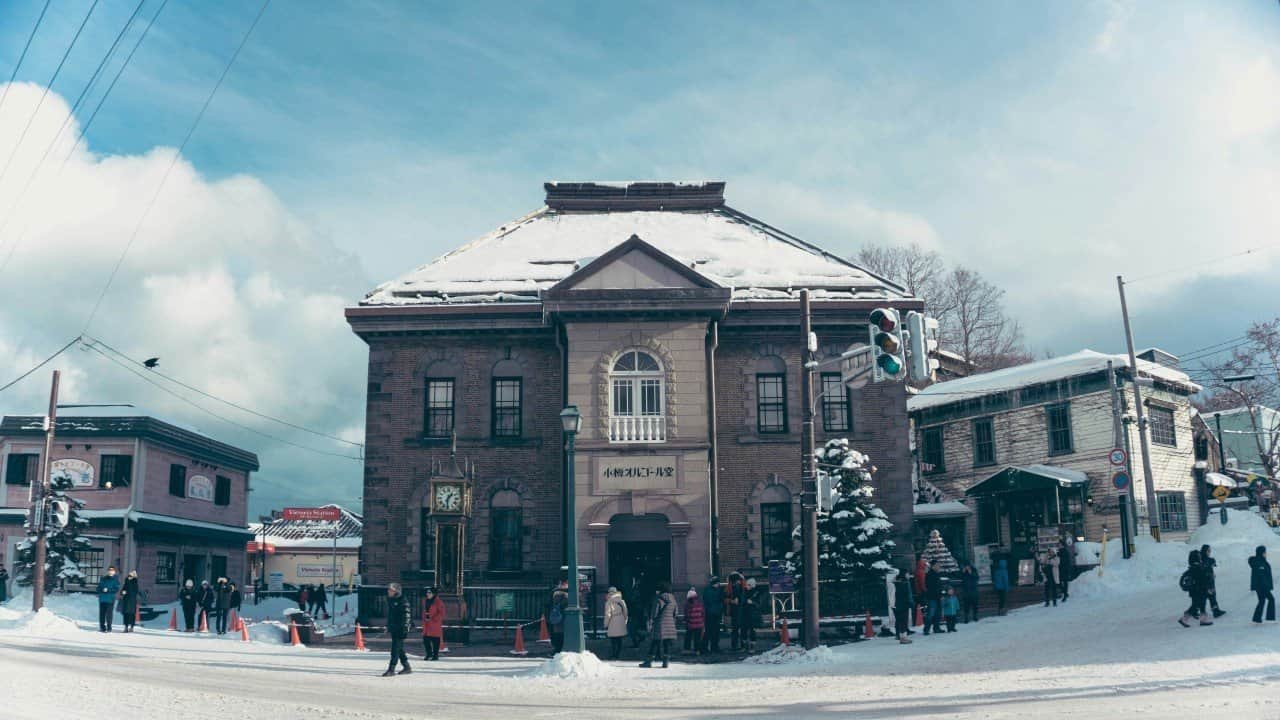
Otaru is an old port town about 40 minutes from Sapporo on the JR Rapid Airport train, and in February its canal and back streets are lit up by thousands of candles for the Otaru Snow Light Path. It’s been run by local volunteers since 1999, and in 2027 it runs from the 6th to 13th February. You can expect to see glass ball candles floating on the canal, and snow lanterns lining the old Temiya railway tracks. It’s free to walk round the area, and the candles are usually lit from 5pm to 9pm. Food tickets are sold during the festival, allowing you to try local sushi and sweets for more reasonable prices.
Good to know: The canal is an 8 to 10 minute walk from Otaru Station. While you’re in the area, especially for the whisky fans, it’s worth travelling 30 minutes further along the coast by train to the Nikka whisky distillery in Yoichi. Trains are not frequent, so check times and book if you want the guided tour.
6. Lake Shikotsu Ice Festival
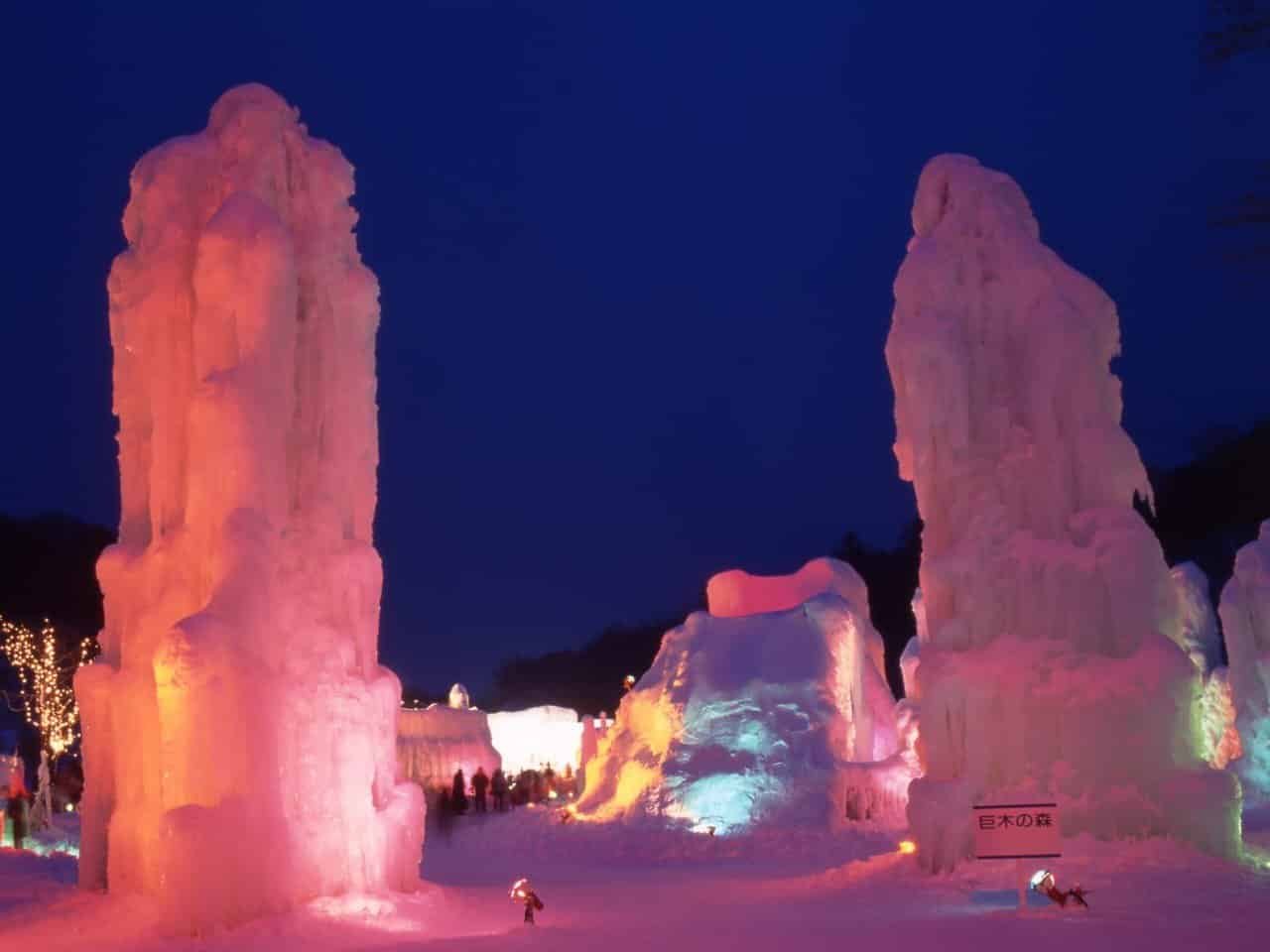
The Chitose Lake Shikotsu Ice Festival is on from 30th January to 23rd February 2027, and it’s only about 40 minutes from New Chitose Airport. Everything is made using water from the lake, which is famous for being so clear it’s known as “Shikotsu Blue,” and you can really see that blue in the ice during the day. After 4.30pm it’s all lit up in seven different colours. It’s much quieter than the Sapporo Snow Festival, and being so close to the airport, it’s easy to fit in at the start or end of your trip.
Good to know: Tickets are ¥1,000 on weekdays but ¥3,000 at weekends and on holidays, so go on a weekday if you can. Children of primary school age and under go free. The Hyoto Blue Liner bus runs from the airport for ¥2,000, but needs booking the day before.
Skiing in Hokkaido: Niseko, Furano and Tomamu
When it comes to powder snow and Hokkaido, it’s Niseko that’s the name most people know. Fewer people have heard of the Hokkaido Powder Belt though. It’s an area of about 200 kilometres that runs down the middle of the island, and includes Furano, Tomamu, the Kamui Ski Links and Sahoro.
Compared to Niseko, the inner Hokkaido Powder Belt is drier and colder which leads to lighter powder conditions. You can fly in to New Chitose, Asahikawa or Obihiro, and even land at one and leave from another.
7. Niseko
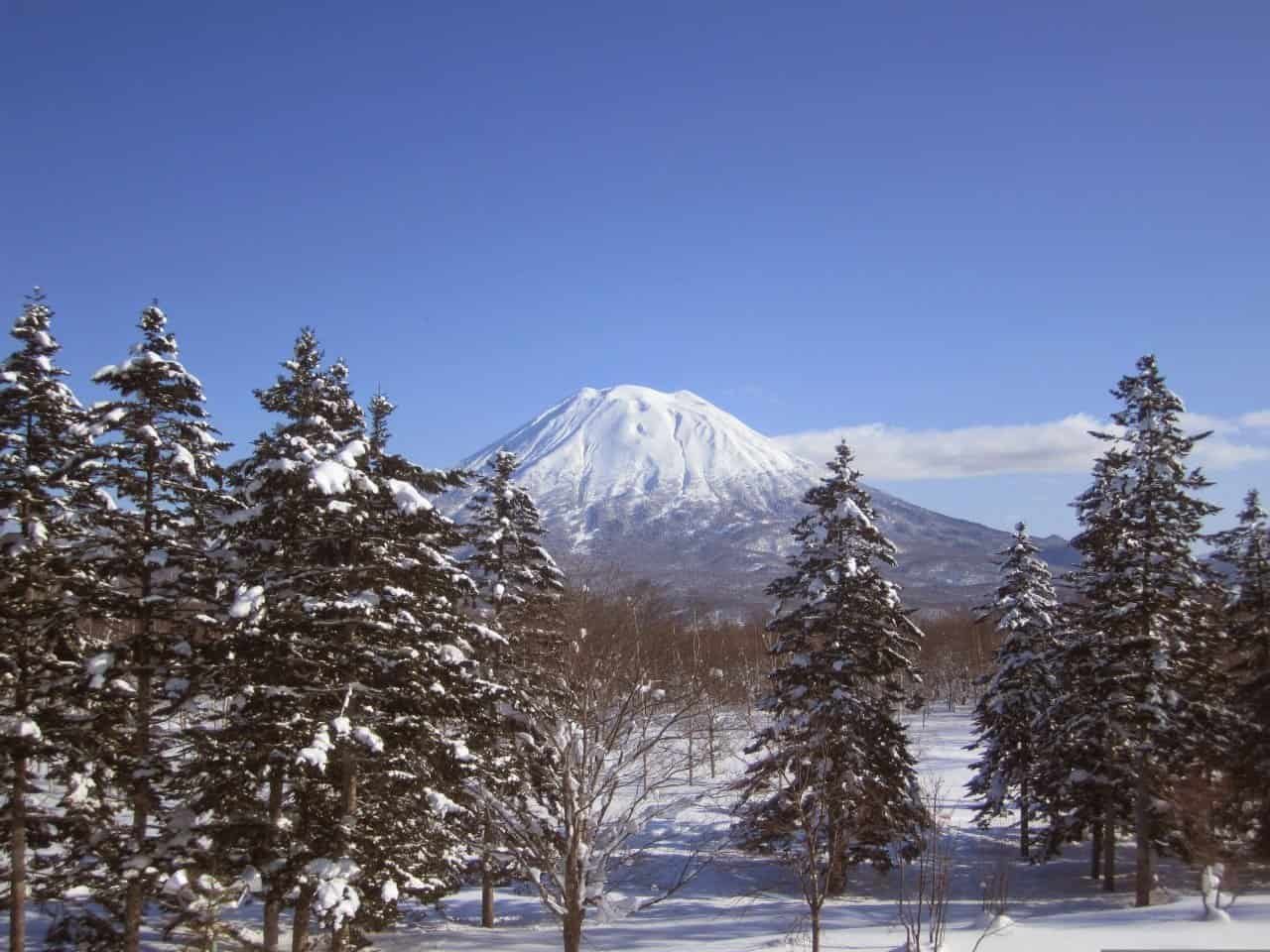
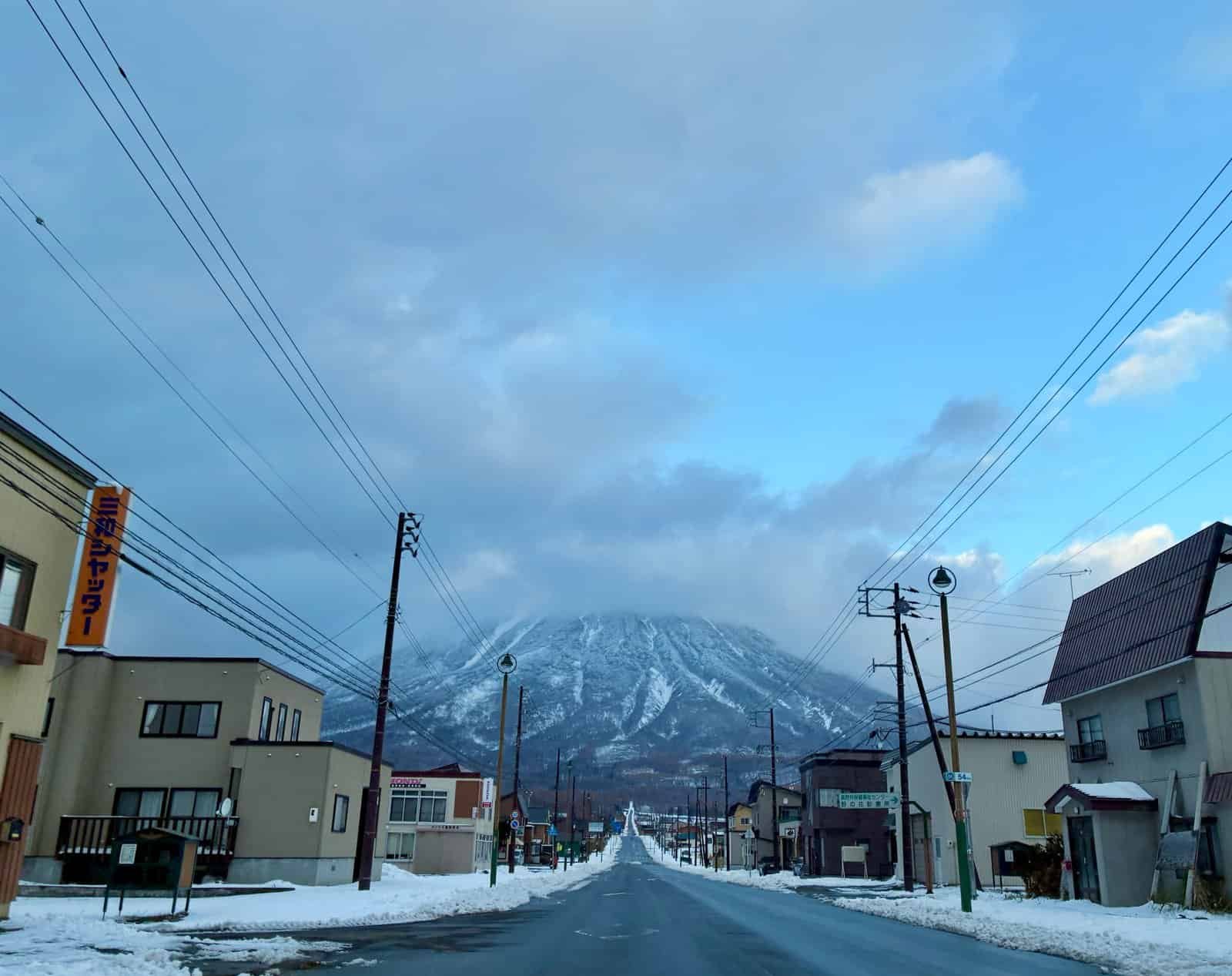
Niseko is Hokkaido’s best known ski area, with four resorts linked together on Mount Niseko Annupuri: Grand Hirafu, Hanazono, Niseko Village and Annupuri. Across from the slopes is Mount Yotei, a volcano that looks a lot like Mount Fuji, and is even nicknamed Ezo Fuji.
Something that may surprise first time visitors is that Niseko may feel less like Japan than you may expect. There are many bars and restaurants aimed at overseas visitors, and you’ll hear English everywhere. Of course, due to this and the powder snow, Niseko is one of the most expensive places to ski in Hokkaido and it gets busy in peak season.
Good to know: It’s about two and a half to three hours from New Chitose Airport by bus, and January and February usually have the best powder.
If you’re exploring Hokkaido by car, I’d highly recommend Croquette Lily. It’s right next to a Michi-no-Eki, and on a clear day you can catch a view of Mt. Yotei from here. Honestly, these are hands down the best croquettes I’ve had in Japan. If you’re visiting in winter, look out for their yuri-ne croquette. Yuri-ne, or lily bulb, is a Hokkaido winter speciality that’s prized for its delicate sweetness. They also have yuri-ne soft-serve ice cream.
Catherine from Arigato Travel
8. Furano and Kamui Ski Links
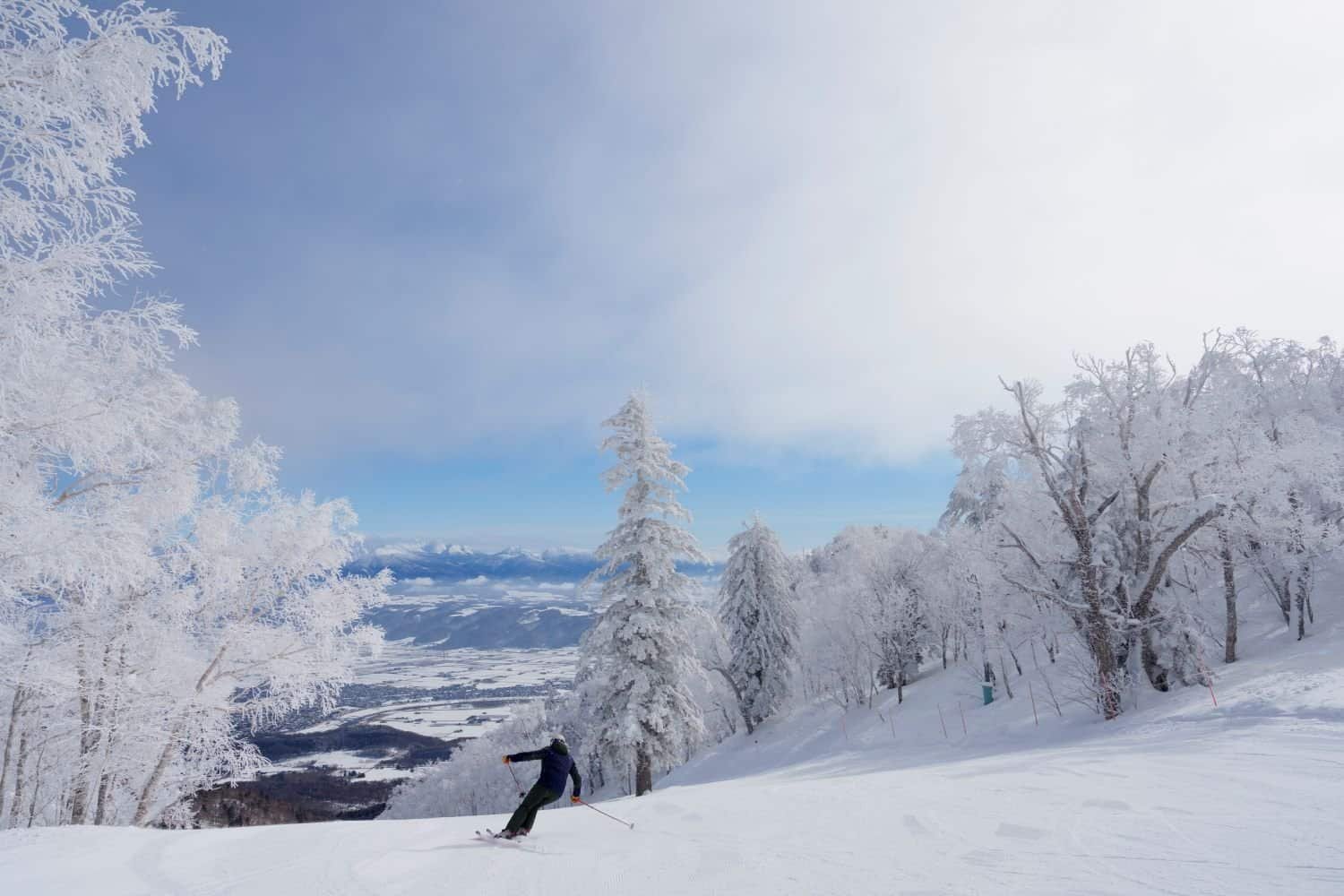
Furano is famous in Japan for its colourful lavender fields in summer, but in winter it’s the snow that brings all the visitors. The ski resort has wide, open slopes that are great for intermediates, along with options for off-piste areas. You’ll find the town small and relaxed, and feeling a lot more like Japan than Niseko. In the evening, it’s worth a walk round Ningle Terrace, a row of small log cabin craft shops in the forest next to the New Furano Prince Hotel.
Kamui Ski Links is a much smaller ski area, popular with powder lovers. It’s an easy day out from Asahikawa, and you can combine it with the zoo and sake brewery later in this guide.
Good to know: Furano is about 80 minutes by bus from Asahikawa Airport, or two hours from New Chitose Airport. Kamui Ski Links is about 40 minutes by bus from Asahikawa Station.
9. Tomamu and the Ice Village
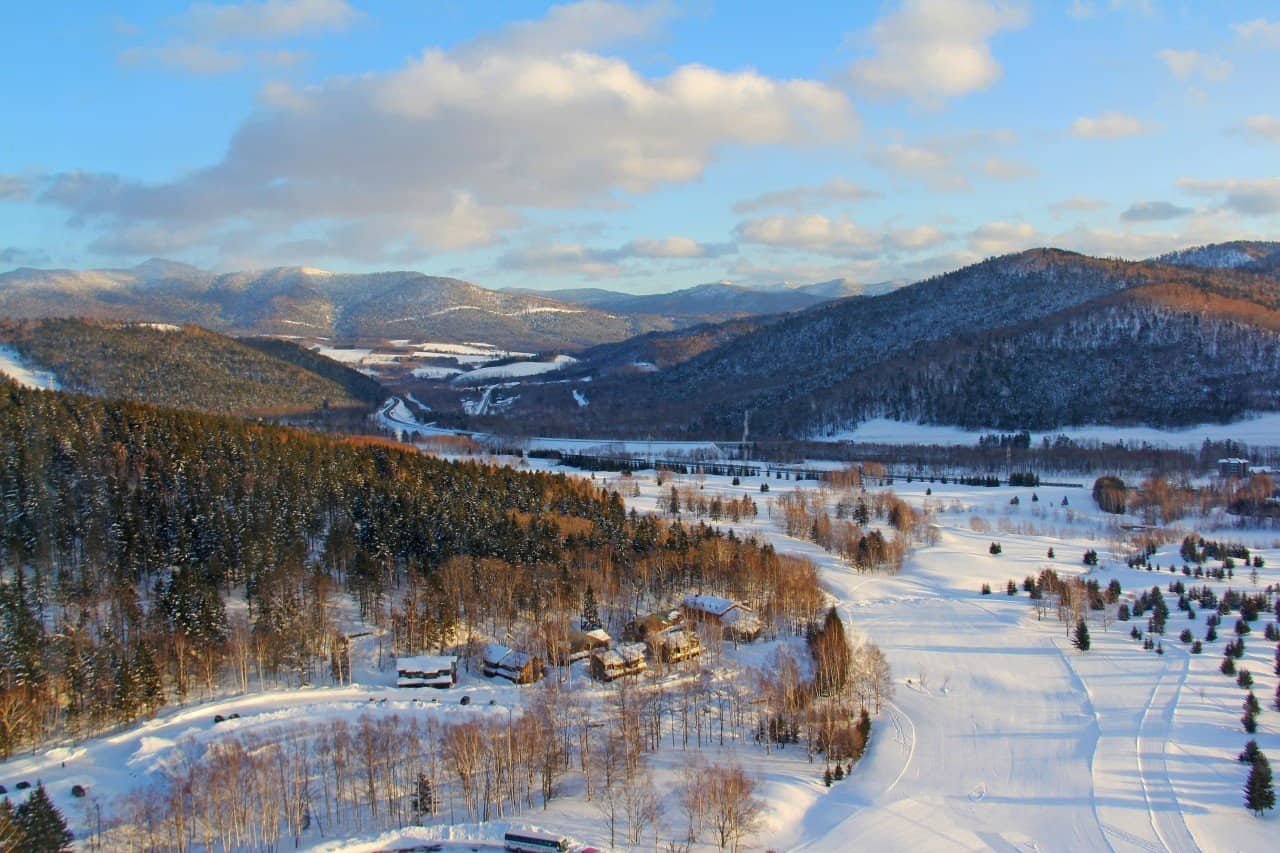
Hoshino Resorts Tomamu is a big ski resort in the Powder Belt with everything in one place. It’s a premium resort that’s especially good for families. What makes it special is the Ice Village that opens once the lifts close in the early evening. There are 11 domes made of snow and ice, a skating rink, and even an ice hotel you can sleep in!
Good to know: There’s a direct train from Sapporo to Tomamu Station, with a free shuttle to the hotels. The Ice Village is open this winter from 20th December to 10th March next year. If you’re staying at one of the resort’s hotels, you get in for free.
Asahikawa, Biei and Daisetsuzan in Winter
Most people come to Asahikawa, Hokkaido’s second biggest city, for the zoo, but it’s worth visiting for its soy sauce ramen and sake too. To get there from Sapporo, it’s just under an hour and a half on the limited express train. Biei is also only a short train ride away, where the Shirogane Blue Pond is lit up on winter evenings. Asahikawa is right next to Daisetsuzan as well, which is Japan’s largest national park, and it’s handy for skiing at Furano and Kamui.
10. Asahiyama Zoo Penguin Walk
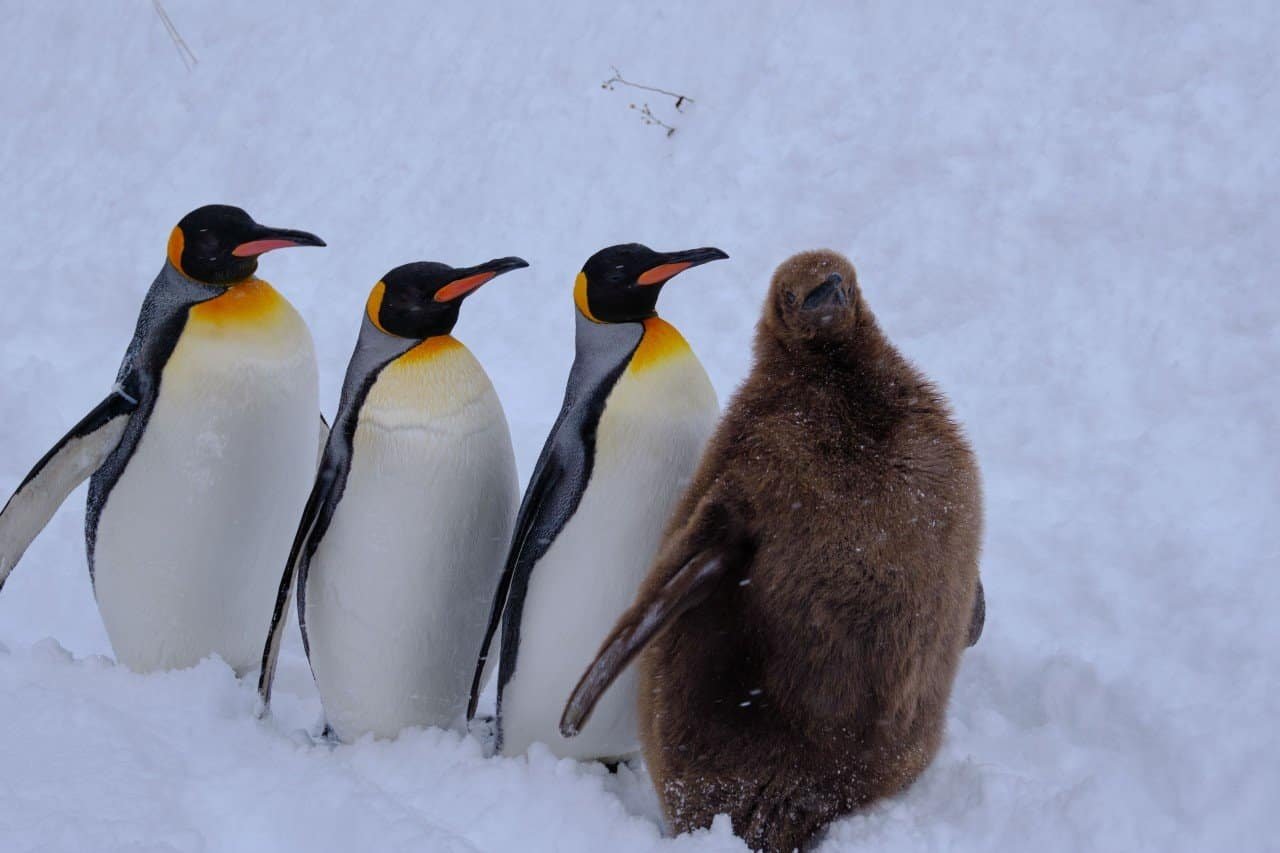
Asahiyama Zoo is Japan’s most northerly zoo, and it’s known for showing animals in a more natural way. One example is the penguin house, where inside the underwater glass tunnel you can watch penguins swim all around you. Then in winter, you have the penguin walk, where king penguins walk out of their enclosure and through the snow. It’s popular with both kids and adults but only happens after there’s enough snow typically mid-December to mid-March.
Good to know: Last season the walk was at 11am and 2.30pm, but check the zoo’s website for this winter’s times. The zoo opens from 10.30am to 3.30pm in winter, entry is ¥1,000, and under 16s go free. Buses 41 and 47 from Asahikawa Station take about 40 minutes and cost ¥670.
11. Asahikawa Ramen and Otokoyama Sake Brewery
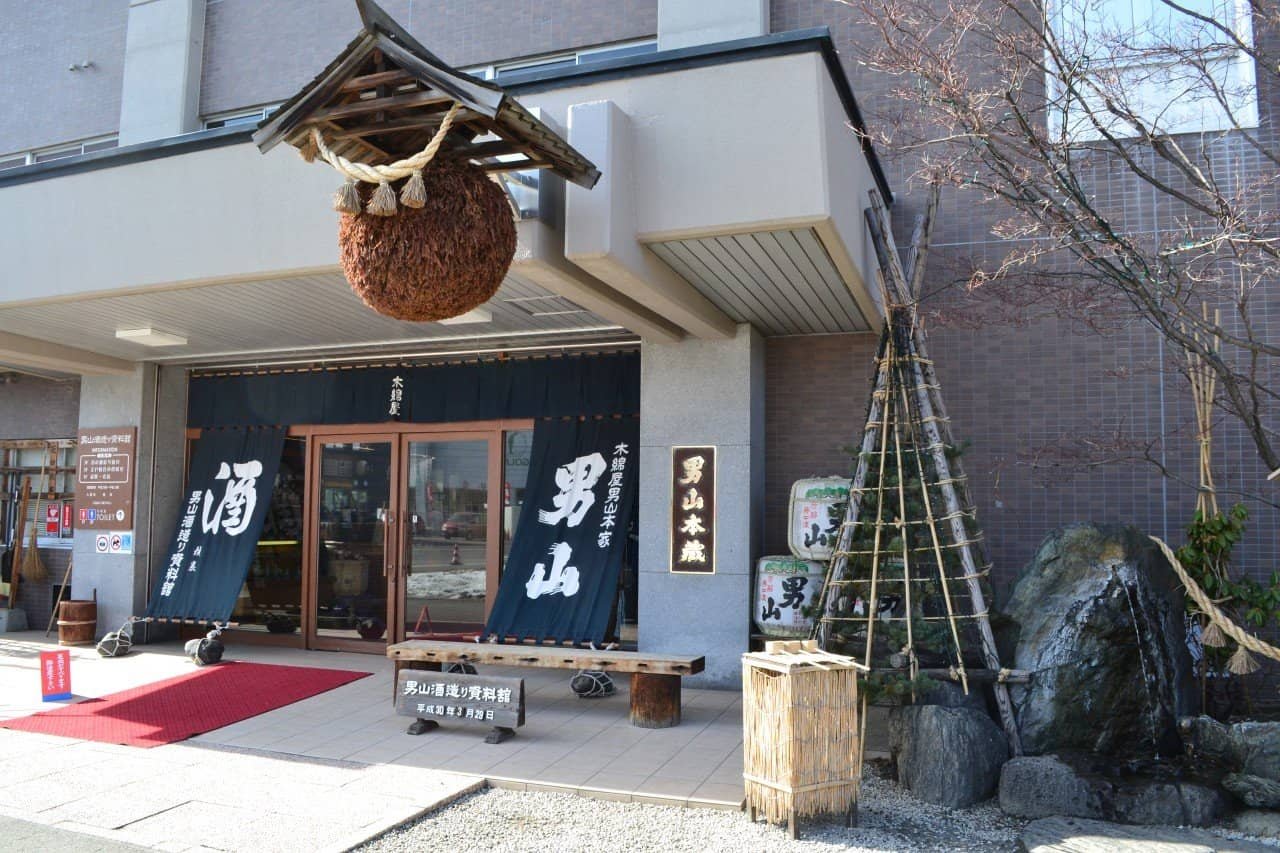
Asahikawa ramen is made with a soy sauce broth of seafood and pork bone stock, and comes with thin curly noodles. As eight of the city’s best known shops sit side by side at Asahikawa Ramen Village, it’s an easy place to try a few. After your ramen, it’s worth stopping at the Otokoyama Sake Brewery, which is also in the north of the city. Its sake was already popular in the Edo period, when it appeared in ukiyo-e prints, and then in 1984, it became the first sake to win a gold medal at the Monde Selection. Entry to the Otokoyama Sake Brewery Museum is free, and there’s a tasting counter in the shop.
Good to know: Ramen Village is open from 11am to 8pm and is a 7 minute walk from JR Minami-Nagayama Station. Otokoyama is open from 9am to 5pm, and it takes around 20 minutes getting there by bus from Asahikawa.
12. Daisetsuzan National Park
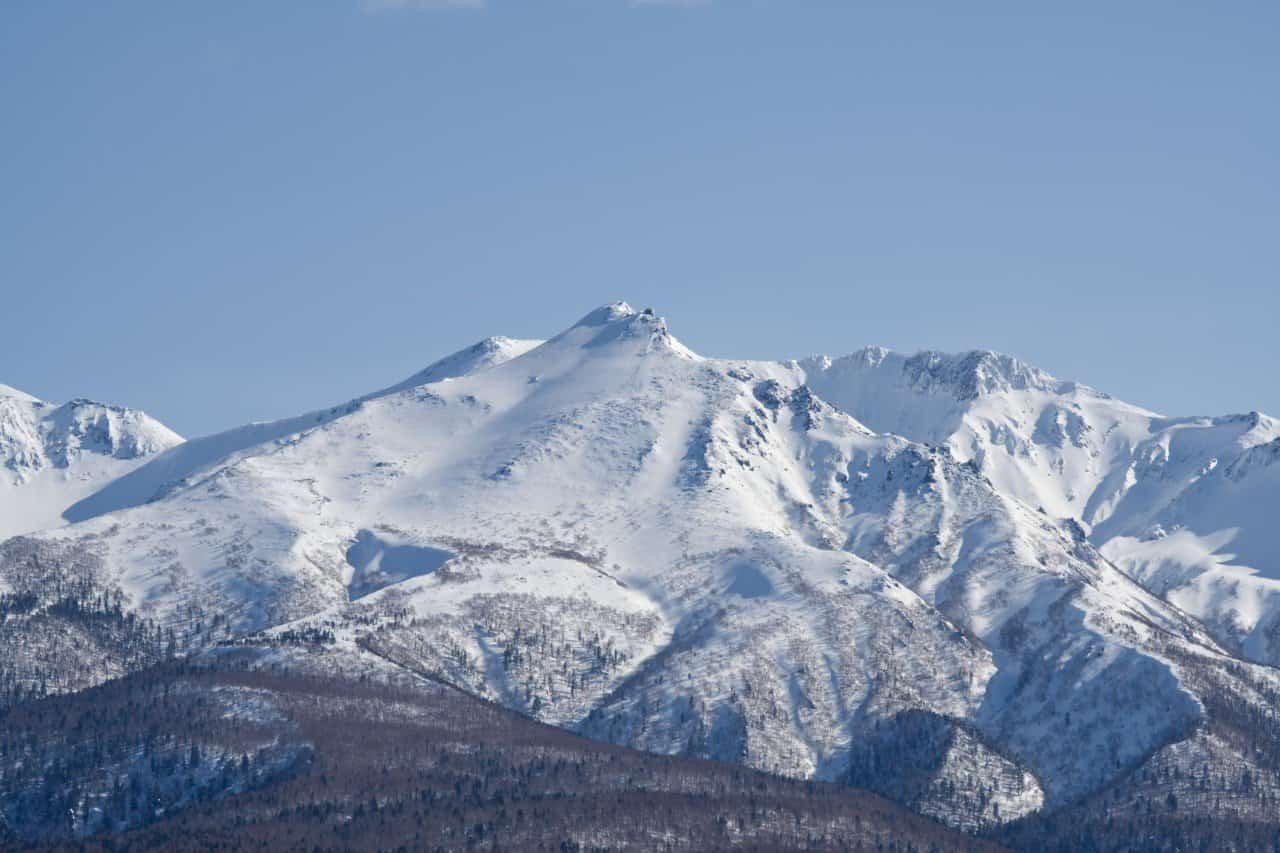
Daisetsuzan is Japan’s largest national park. In winter it’s covered in snow, and you can see steam rising from the volcanic vents on Mount Asahidake. Standing at 2,291m, Mount Asahidake is Hokkaido’s highest mountain, where you can ride the Asahidake Ropeway up to a viewing station at 1,600m. At the bottom there’s also a visitor centre where you can hire snowshoes and then walk along a trail.
On the other side of the mountains, Sounkyo Onsen typically holds an Ice Waterfall Festival from late January to early March. At the festival you can walk between ice towers that are 10 metres tall and lit up in colour, and on selected evenings there are fireworks.
Good to know: The ropeway is closed for maintenance from the middle of November to 10th December. Also, a return fare using the ropeway will come to ¥2,800.
Eastern Hokkaido: Drift Ice, Eagles and Cranes
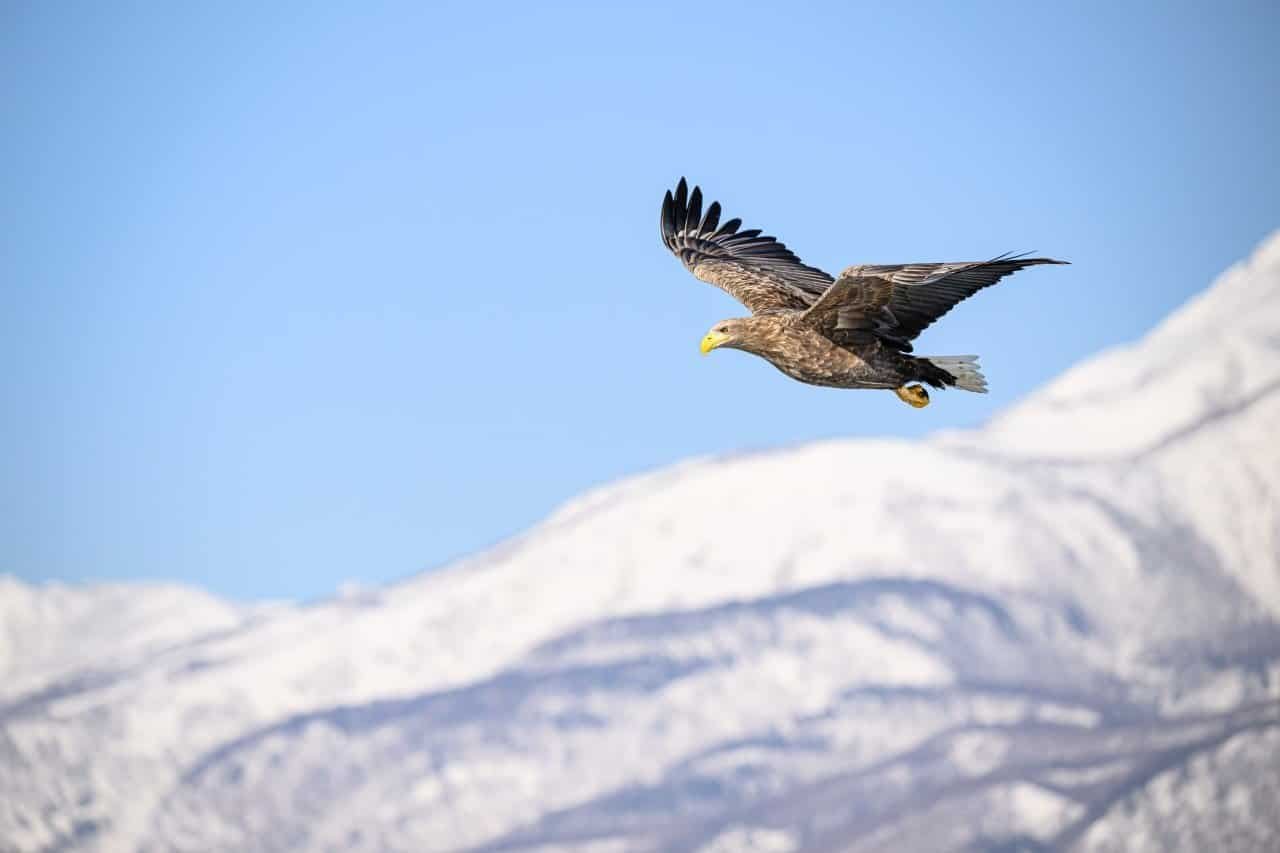
Eastern Hokkaido is the wildest part of the island in winter. Every winter, ice from Russia floats down and covers the surface of the Sea of Okhotsk along the coast. Steller’s sea eagles come with the ice and spend the winter here. Further inland, around Kushiro, is where you find the red crowned cranes, which gather in the snowy fields over the winter. It’s a long way from Sapporo, so the easiest way in is to fly to Memanbetsu Airport for Abashiri and Shiretoko, or to Kushiro.
13. Abashiri Drift Ice Cruise
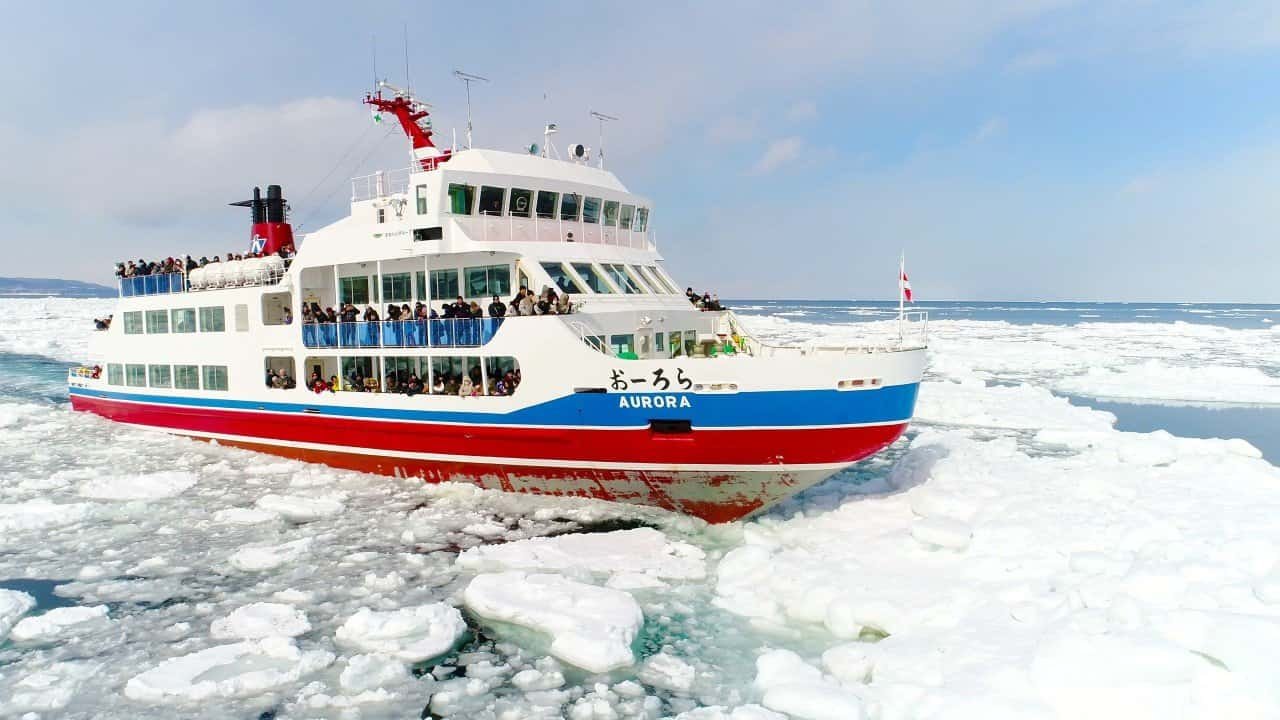
From Abashiri you can take a trip on the Aurora, an icebreaker that breaks through the drift ice as it goes. The cruise takes about an hour, and if conditions are right for the drift ice, you’ll spot seals or eagles resting on it. You’ll normally have the best luck seeing them from mid February to early March.
Good to know: Cruises run from 20th January to 31st March 2027 and cost ¥7,000 for adults. The boat leaves from the Ryuhyo Kaido Abashiri roadside station, about 10 minutes by car from Abashiri Station or 30 minutes from Memanbetsu Airport.
14. Shiretoko: Drift Ice Walks and Rausu Eagle Cruises
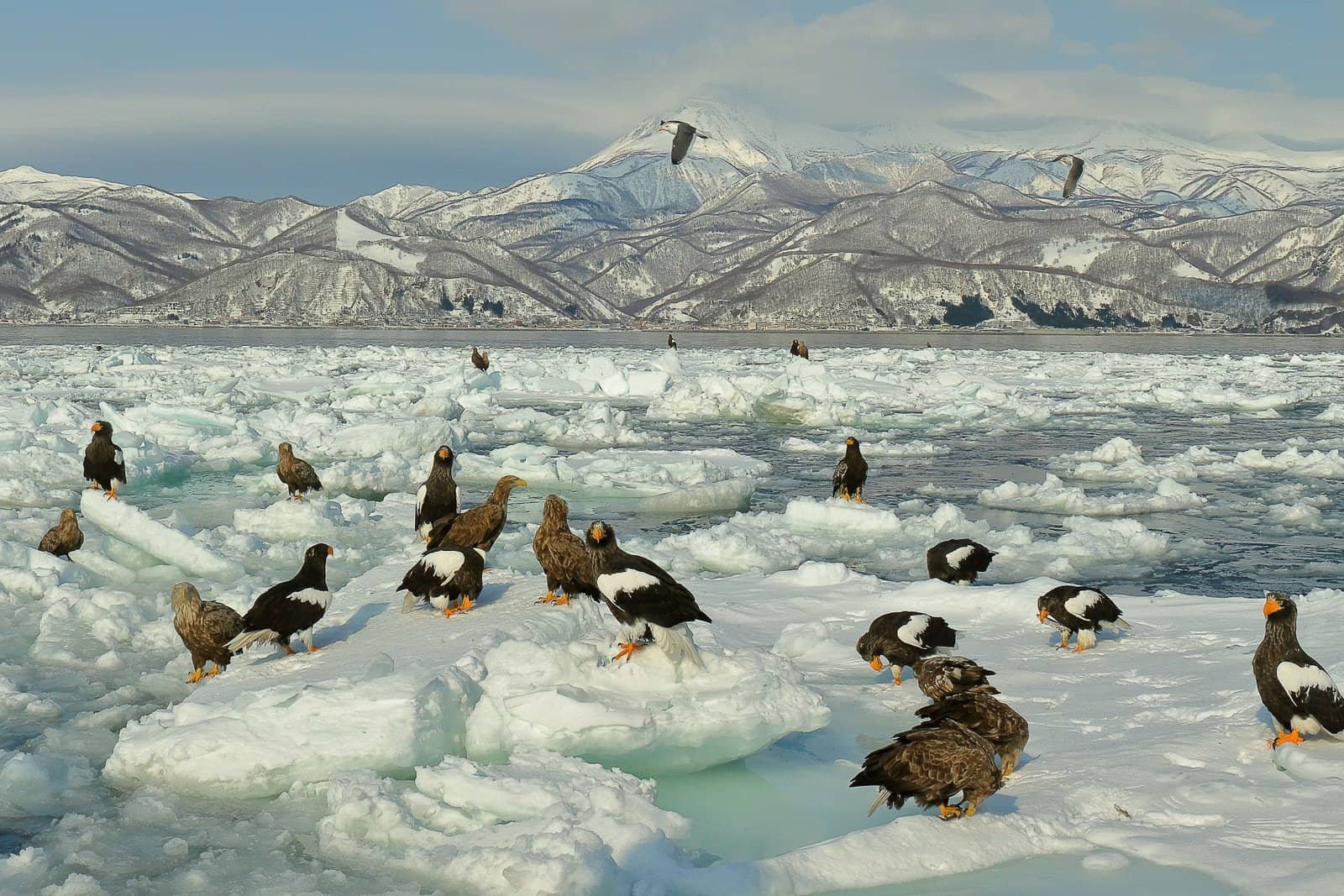
Watching the drift ice from a boat is one thing, but in Shiretoko you can actually walk out on it. In Utoro, a local guide will kit you out in a dry suit and take you across the frozen sea. Then on the other side of the peninsula you have Rausu, where boats go out to see the Steller’s sea eagles. Around 700 eagles spend the winter in the area, and seeing them up close may become a highlight of your trip.
Good to know: Drift ice walks cost around ¥6,000. The Rausu eagle cruise is around from ¥5,000. Cruises run from late January to early April, but the second half of February is usually the best time to go. If you’d like to book ahead, Japan Experience runs a two hour guided drift ice walk in Utoro from February, with an English speaking guide and a pick-up from your hotel.
15. Abashiri Prison Museum
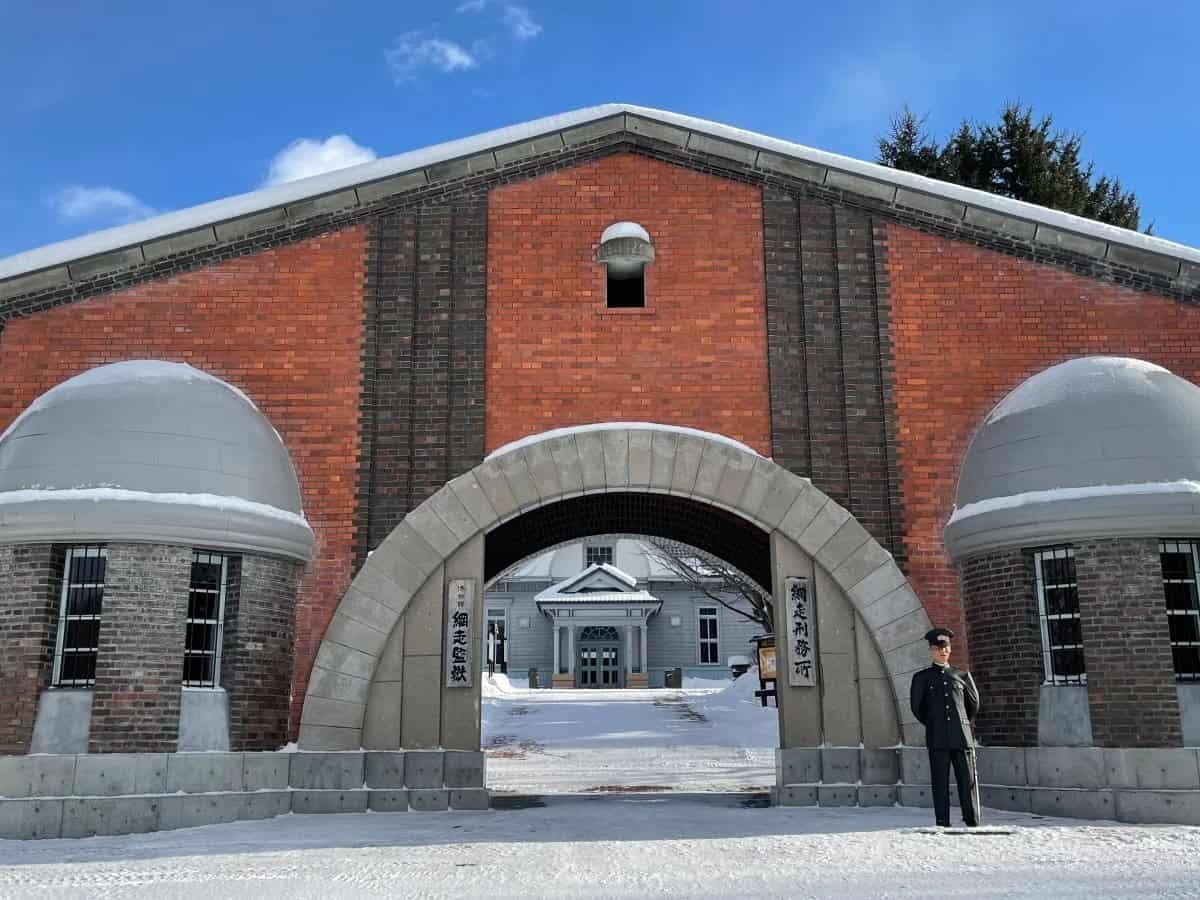
If the drift ice hasn’t come in, the Abashiri Prison Museum is only about 10 minutes by bus from Abashiri Station, and it’s open almost all year. It was prisoners from Abashiri who built the Central Road to Asahikawa through frozen forests back in the 1890s. As many of the buildings are the originals, you can walk through the old wooden cell blocks. You can even have a prison style lunch in the canteen!
Good to know: Entry is ¥1,500 for adults, and it’s open from 9am to 5pm, with last entry at 4pm. It’s only closed on 31st December and 1st January.
16. Red Crowned Cranes in Kushiro
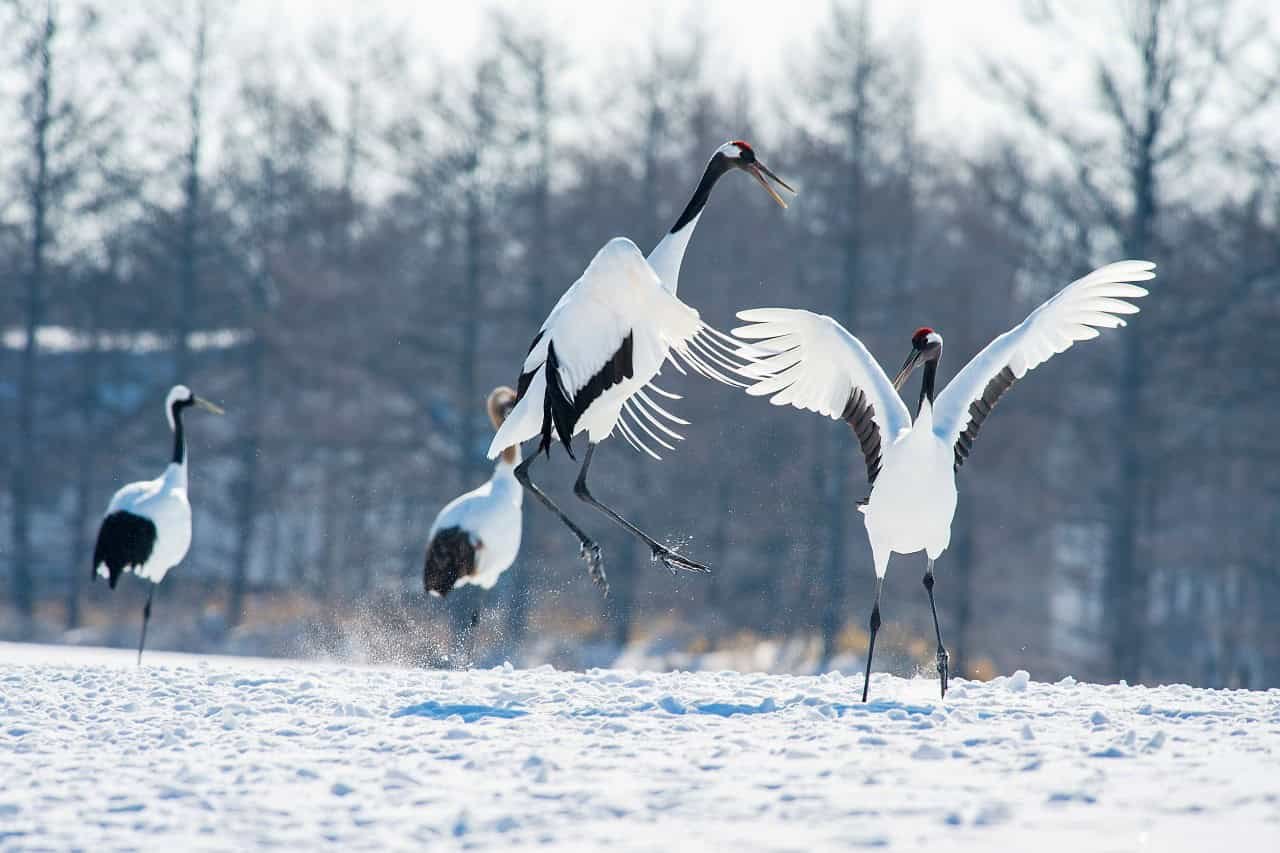
Red crowned cranes were once thought to be extinct in Japan, but there are now over 1,500 in Hokkaido, and most spend the winter around Kushiro. Nearly 300 come to feed at the Tsurui-Ito Tancho Sanctuary each winter. Also, if you go in February, there’s a good chance you’ll see them dancing in the snow, which is how they find a partner.
Good to know: The sanctuary is free to visit, and feeding usually happens around 9am and 2pm from November to March. It’s closed on Tuesdays, Wednesdays and then again on the 1st, 3rd and 5th Thursday. You’ll need a car to get there, as it’s about 40 minutes’ drive from Kushiro Airport. If you’re not driving, Japan Experience runs a two hour guided crane walk in the Kushiro Marshes, with a pick-up from JR Toro Station.
17. Lake Akan
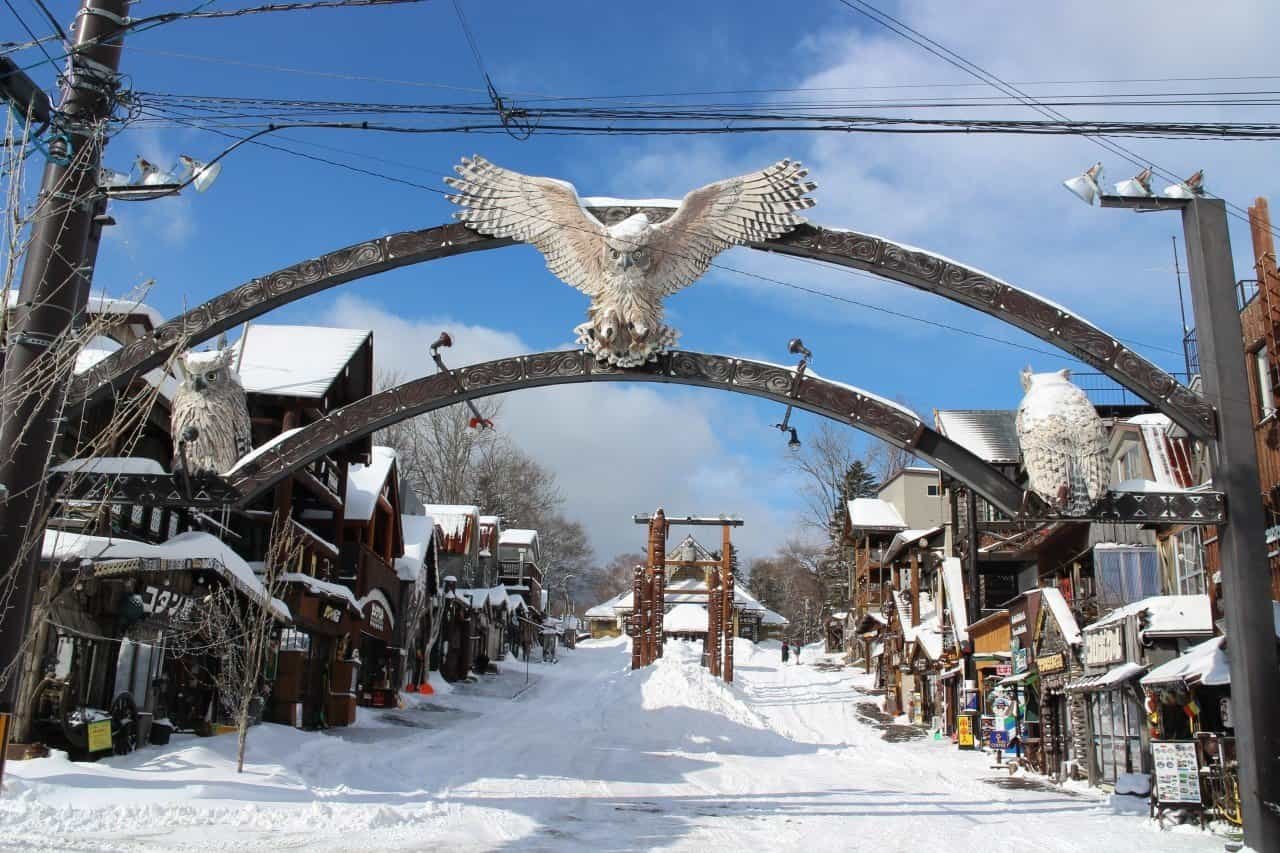
Lake Akan is in Akan Mashu National Park, and it’s famous in Japan for marimo, which are round balls of green algae that grow in the lake. In winter the lake freezes over, and from February there’s an ice festival out on the ice. You can go wakasagi fishing or ride a snowmobile during the day, and then in the evening there are fireworks over the frozen lake. Akan is also home to Akanko Ainu Kotan, the largest Ainu village in Hokkaido, where you can learn about the culture of Hokkaido’s indigenous people.
Good to know: The festival is free and runs from early February to early March. Lake Akan is about an hour by car from Kushiro Airport.
Southern Hokkaido in Winter: Noboribetsu and Hakodate
Southern Hokkaido is where you’ll find some of the island’s best known onsen towns, along with the old port city of Hakodate. Noboribetsu is close to New Chitose Airport, so it’s easy to add into your itinerary. Hakodate is further south, about three and a half hours from Sapporo on the limited express train. Alternatively, if you’re taking the Shinkansen from Tokyo, since it stops at Shin-Hakodate-Hokuto Station, it’s likely that Hakodate will be your first stop in Hokkaido.
18. Noboribetsu Onsen and Hell Valley
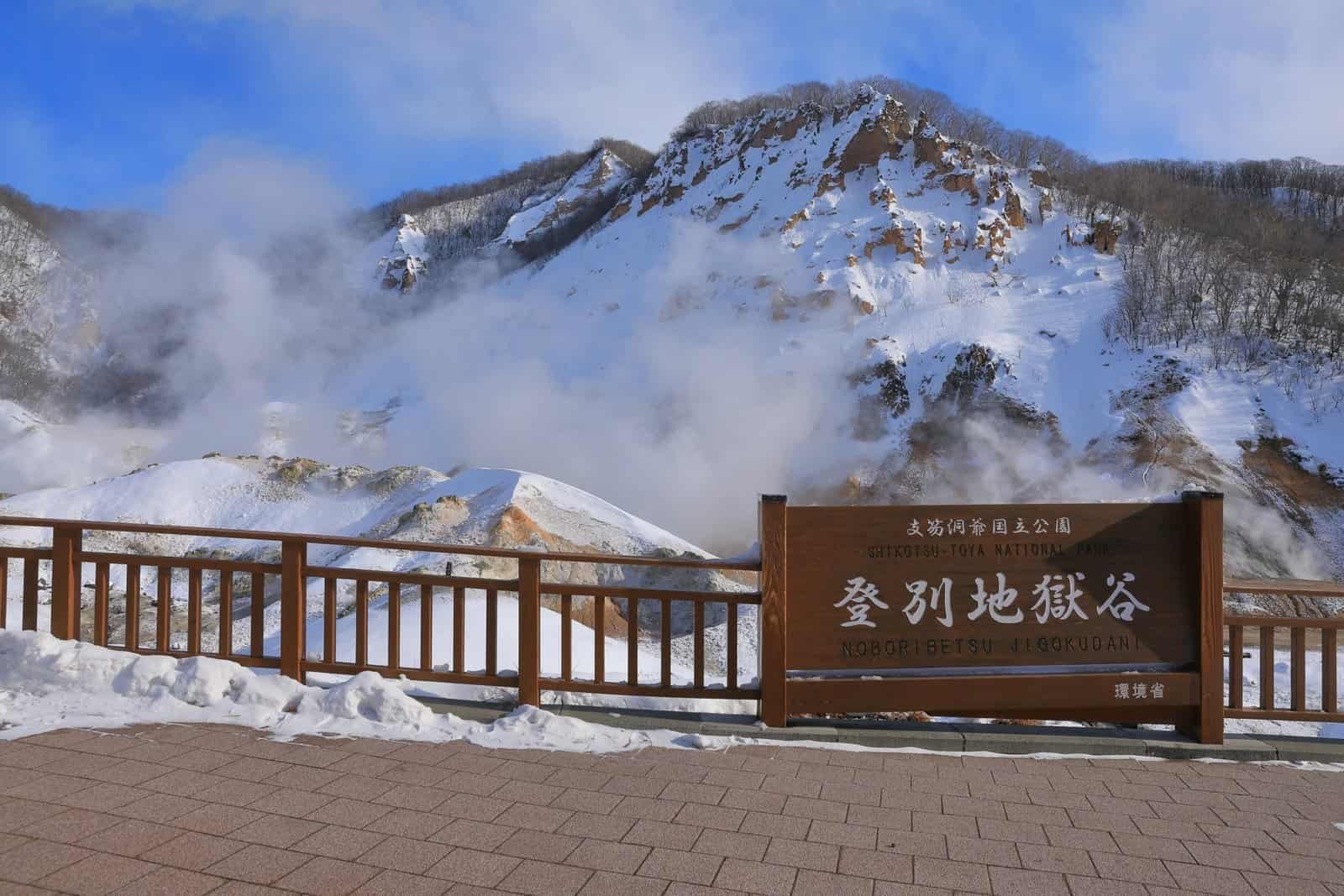
Most of the hot water in Noboribetsu’s hotels comes from Jigokudani, or Hell Valley, which is just a short walk up from the town. The crater is about 450 metres wide, and around 10,000 tons of hot water comes out of it every day. That’s enough to supply all the hotels and inns in the town. As there’s a wooden path through the valley, you can get quite close to the steam vents. Around town you’ll also spot statues of oni (demons), as Hell Valley is said to be their home.
Good to know: Jigokudani is free to visit. Noboribetsu Onsen is about 15 minutes by bus from JR Noboribetsu Station, which is a stop on the limited express between Sapporo and Hakodate.
19. Hakodate Morning Market and Hokkaido Crab
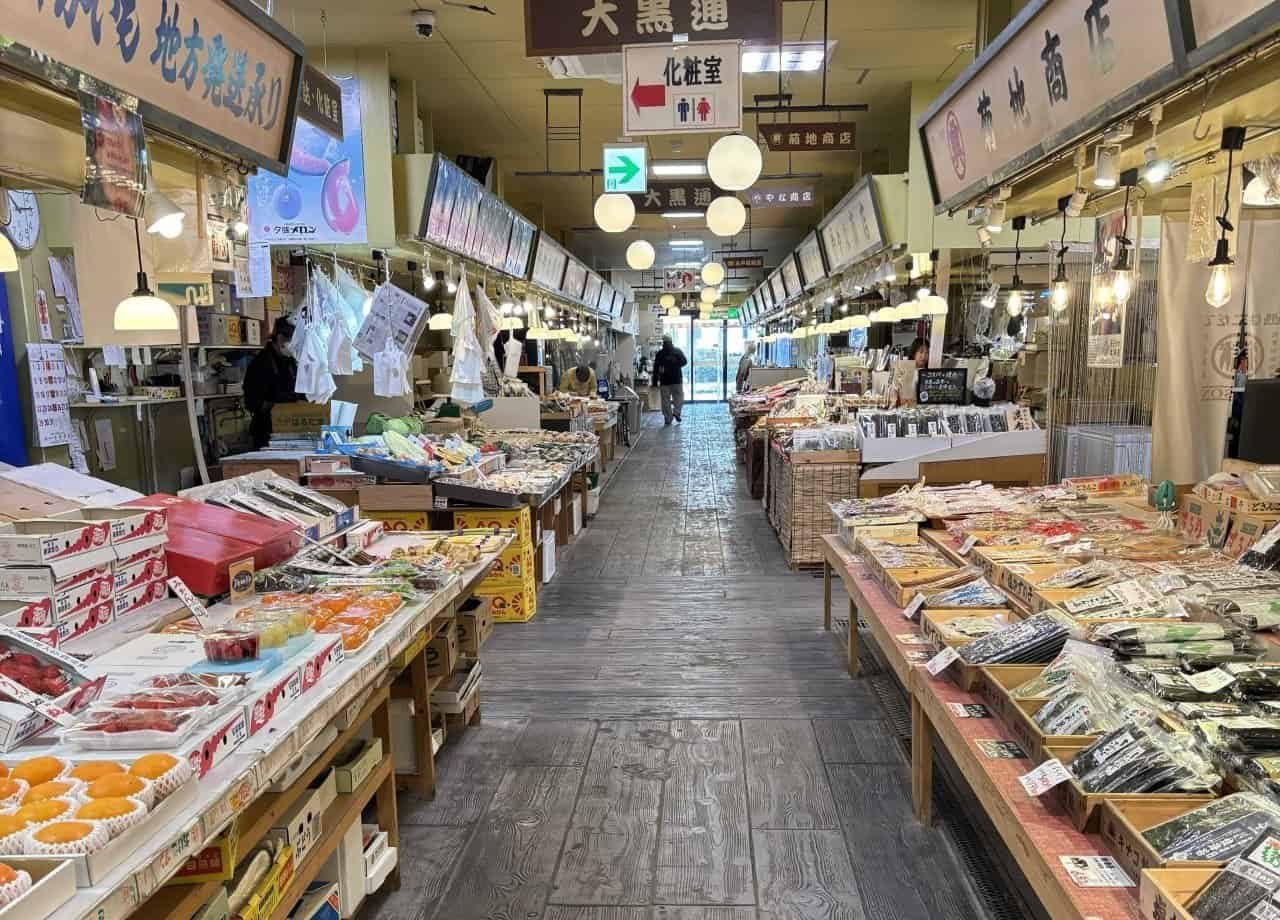
Right next to JR Hakodate Station, the Hakodate Morning Market has around 250 shops, and many of them sell crab. In winter you’ll find hairy crab and king crab, some still alive in the tanks. You can also try squid fishing in the Ekini Ichiba area and eat your catch straight away as sashimi. For somewhere more local, Hakodate Jiyu Ichiba is known as the ‘Kitchen of Hakodate’, with about 40 stalls, and it’s a 5 minute walk from the Shinkawa tram stop. Many places at both markets serve kaisendon for breakfast, which is a bowl of rice topped with fresh crab or uni.
Good to know: The Morning Market is open every day. From January to April it’s 6am to 2pm, an hour later than in summer. Hakodate Jiyu Ichiba is closed on Sundays.
From January to mid March, you can try wakasagi (Japanese smelt) ice fishing on Lake Onuma near Hakodate, with snowy Mount Komagatake as your backdrop. No experience is needed, as you can rent rods and bait there, and some places include warm gear too. You can find out more on the Onuma tourist information website. Best of all, you can have your catch fried as tempura and eat it straight away!
Mayumi, founder of Hokkaido Fine Foods, who was born and raised in the Hakodate area
20. Goryokaku Fort and the Hakodate Night View
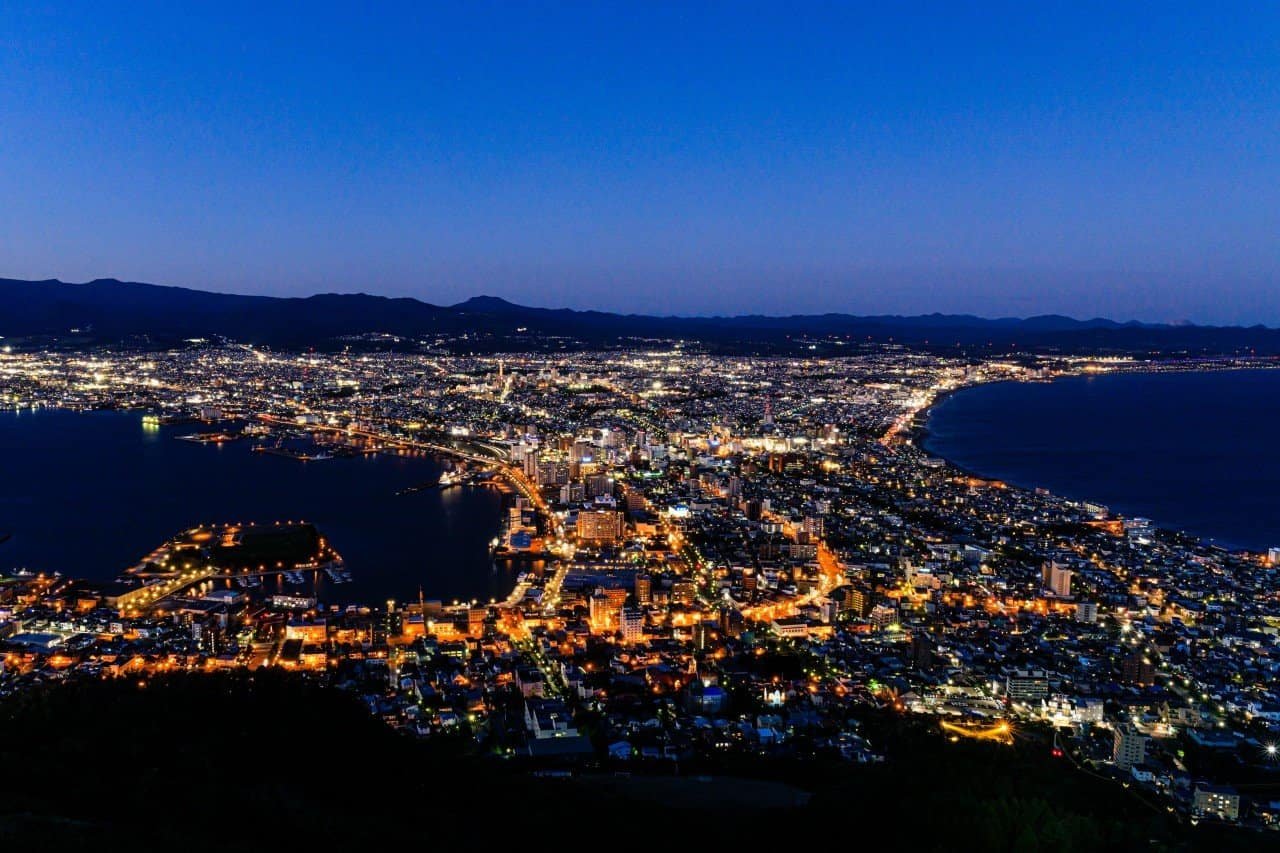
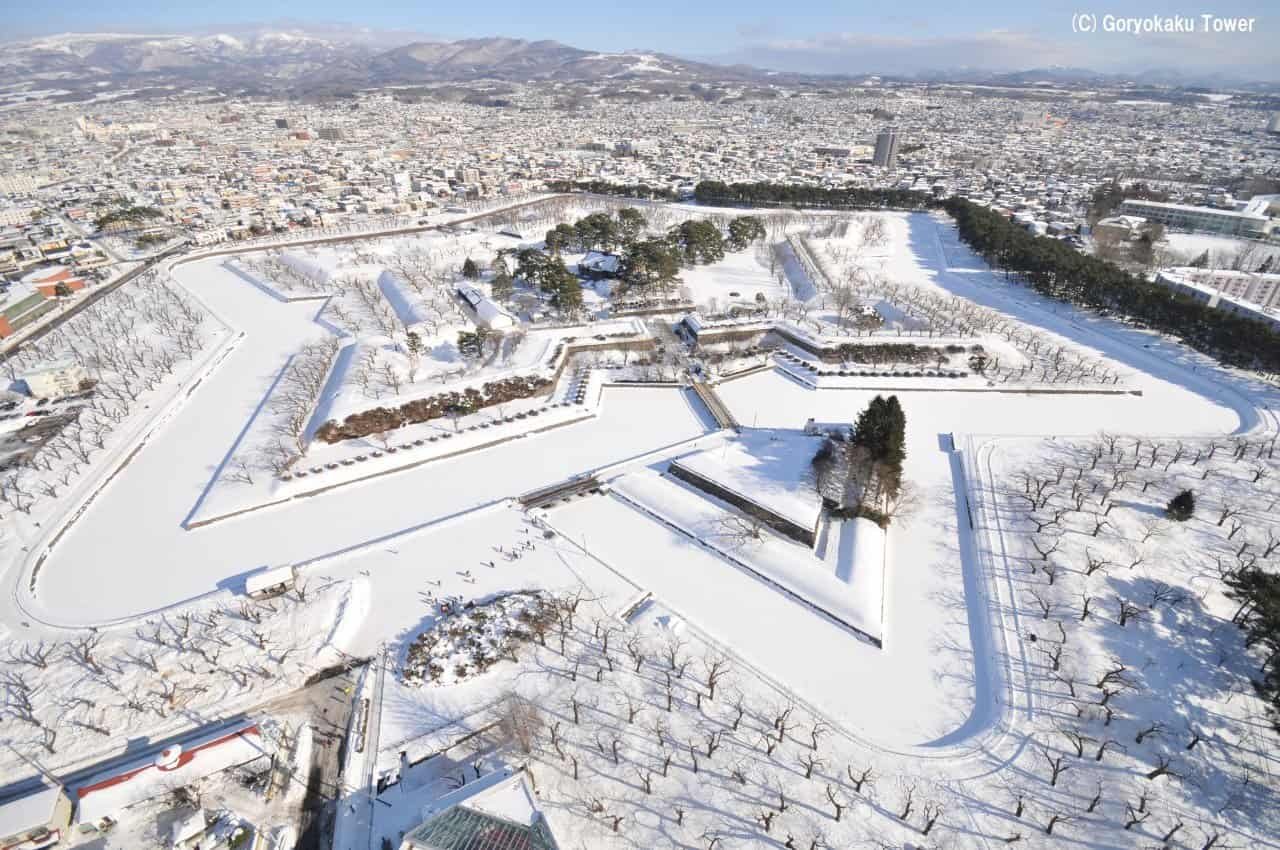
You’ll want to save an evening in Hakodate for Mount Hakodate. The ropeway takes about three minutes to get to the top, where you can see the lights of the city with the sea on both sides. During the day, head to Goryokaku, a star shaped fort finished in 1864, which saw the last battle of the Boshin War in 1869. As the star shape is hard to make out from the ground, go up Goryokaku Tower for the best view. From December to February, around 2,000 lights also line the moat in the evenings.
Good to know: In winter the ropeway closes at 9pm, so it’s best to go before dinner. A return ticket will cost ¥1,800, and separately Goryokaku Tower costs ¥1,200 to visit.
At the Hakodate Tropical Botanical Garden in the Yunokawa Onsen area, you can watch Japanese macaques soaking in their own hot spring bath. The bath is filled from 1 December until Golden Week in early May. It’s super cheap too, as entry is only ¥300 for adults.
Mayumi, founder of Hokkaido Fine Foods, who was born and raised in the Hakodate area
Where to Stay in Hokkaido in Winter
First timers to Hokkaido often don’t realise how vast it is. Even travelling from Sapporo to Hakodate takes three and a half hours by train. Here’s a selection of hotels we’d recommend in winter, however note that they are great to stay at any other season as well.
Portom International Hokkaido
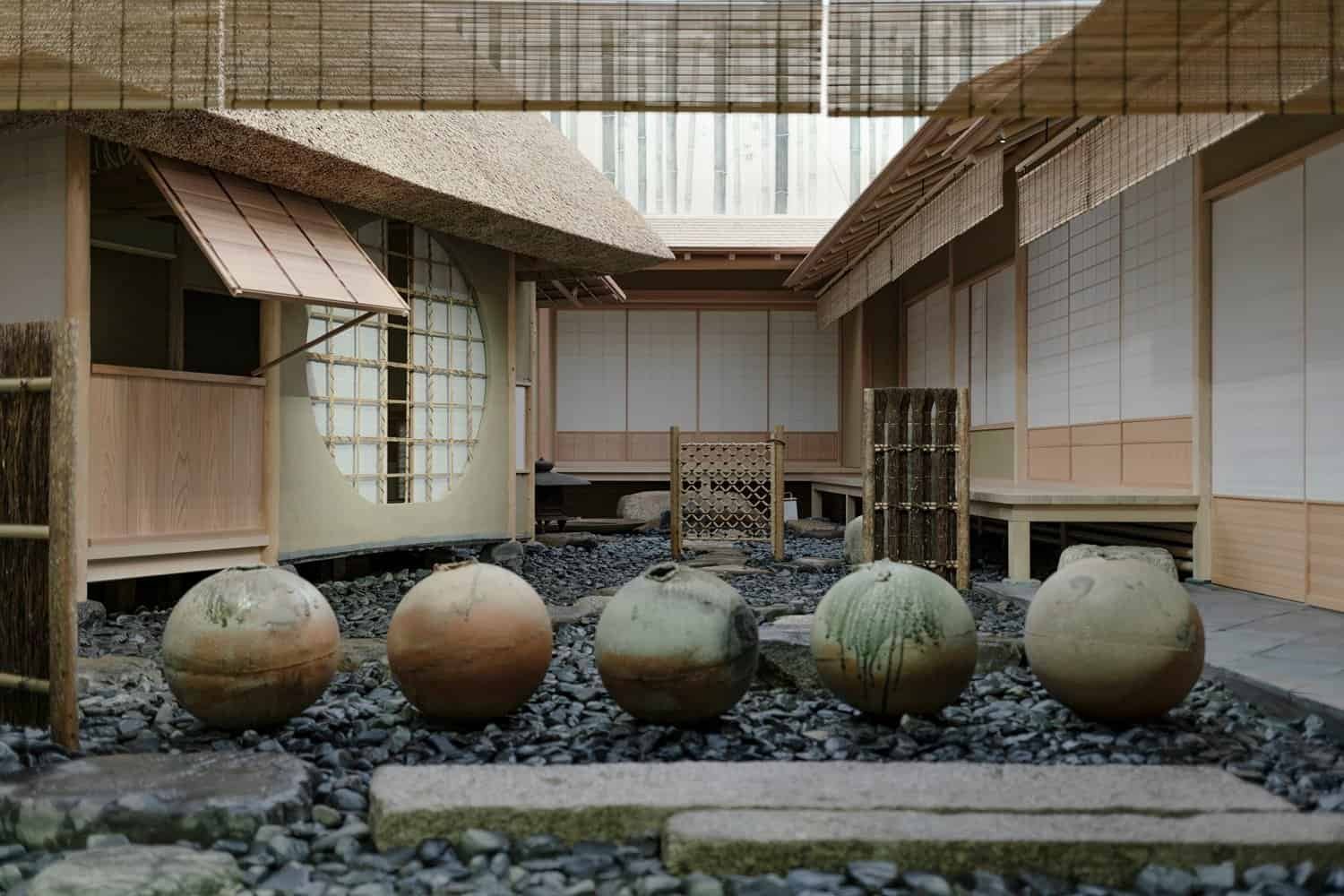
If you have an early flight or land late, Portom is only a five minute walk from international arrivals, and there’s a natural hot spring and sauna to relax in after a long flight. You can also book a tea ceremony in the hotel’s tea house, Seifu-an.
Hyatt Centric Sapporo
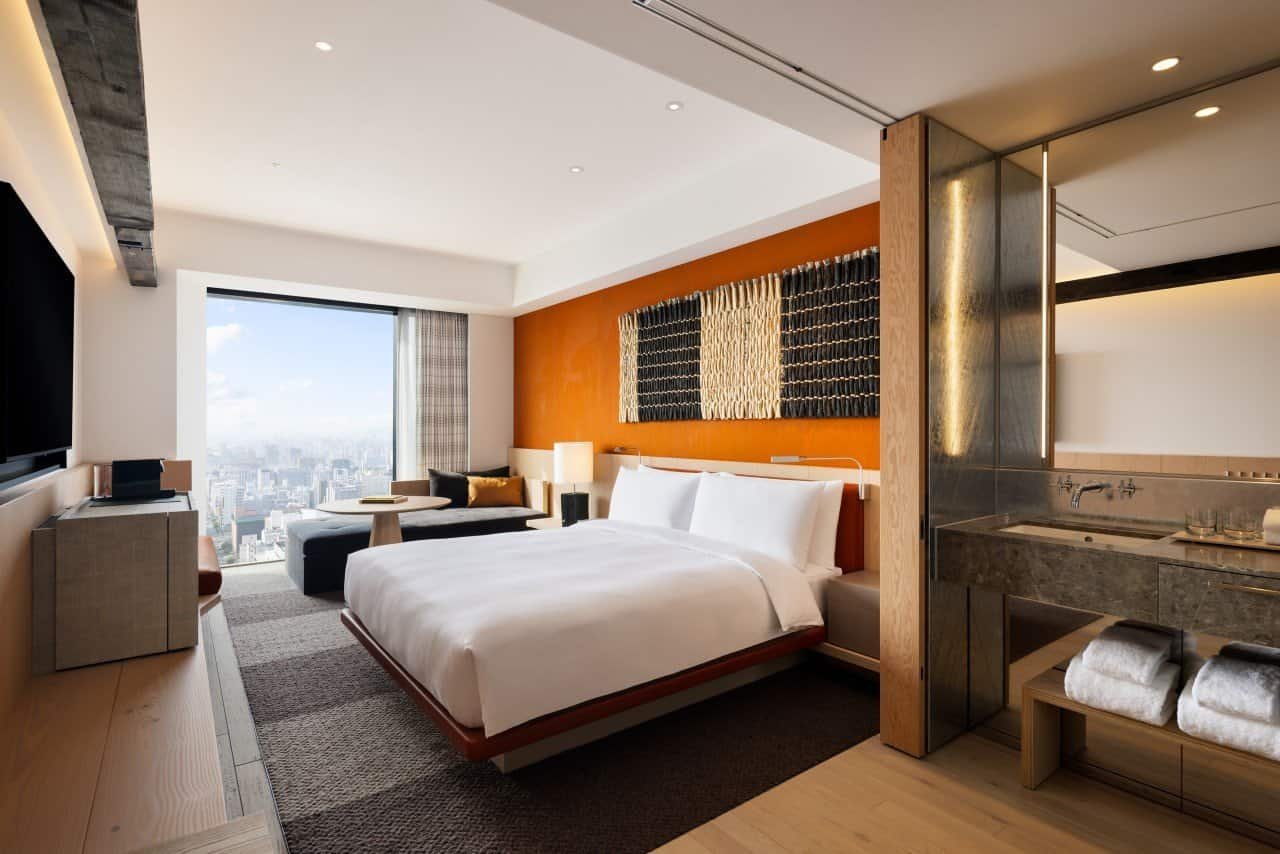
Just a short walk from JR Sapporo Station, the Hyatt Centric Sapporo makes day trips to Otaru and Jozankei easy. Its 17th-floor restaurant has great views over Sapporo and serves grilled dishes featuring local Hokkaido ingredients with a Mediterranean twist.
Chalet Ivy Jozankei
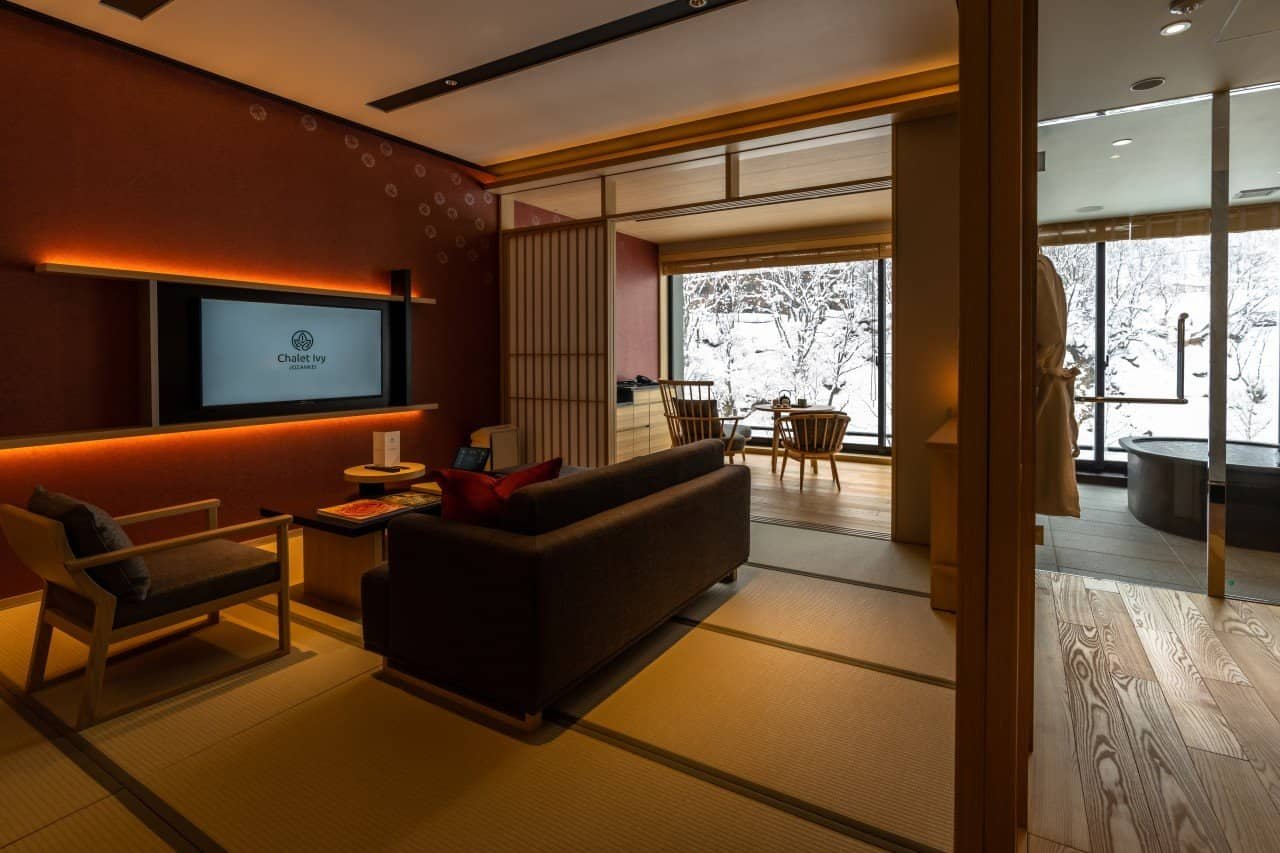
Chalet Ivy Jozankei is a ryokan-style boutique hotel that offers Japanese hospitality in a peaceful natural setting. All of its suites come with a private hot spring bath, along with heated floors. Guests can also enjoy modern cuisine rooted in kaiseki tradition at ZUI.
Park Hyatt Niseko Hanazono
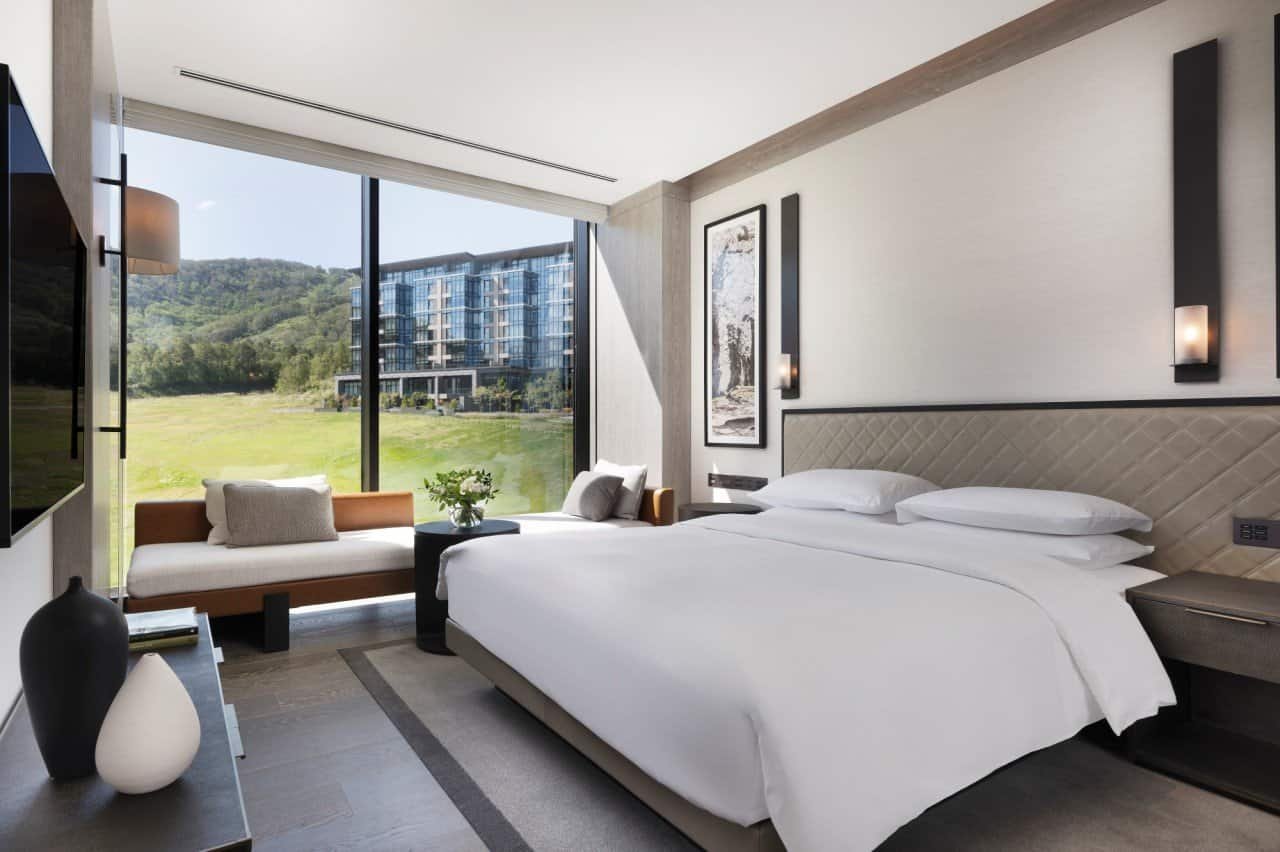
For those looking to ski in Niseko, the Park Hyatt Niseko Hanazono is right by Hanazono’s powder runs. The rooms are large, starting at 65 square metres, and dinner options include grilled Hokkaido seafood at Robata or Wagyu beef at Teppan.
Marukoma Onsen Ryokan
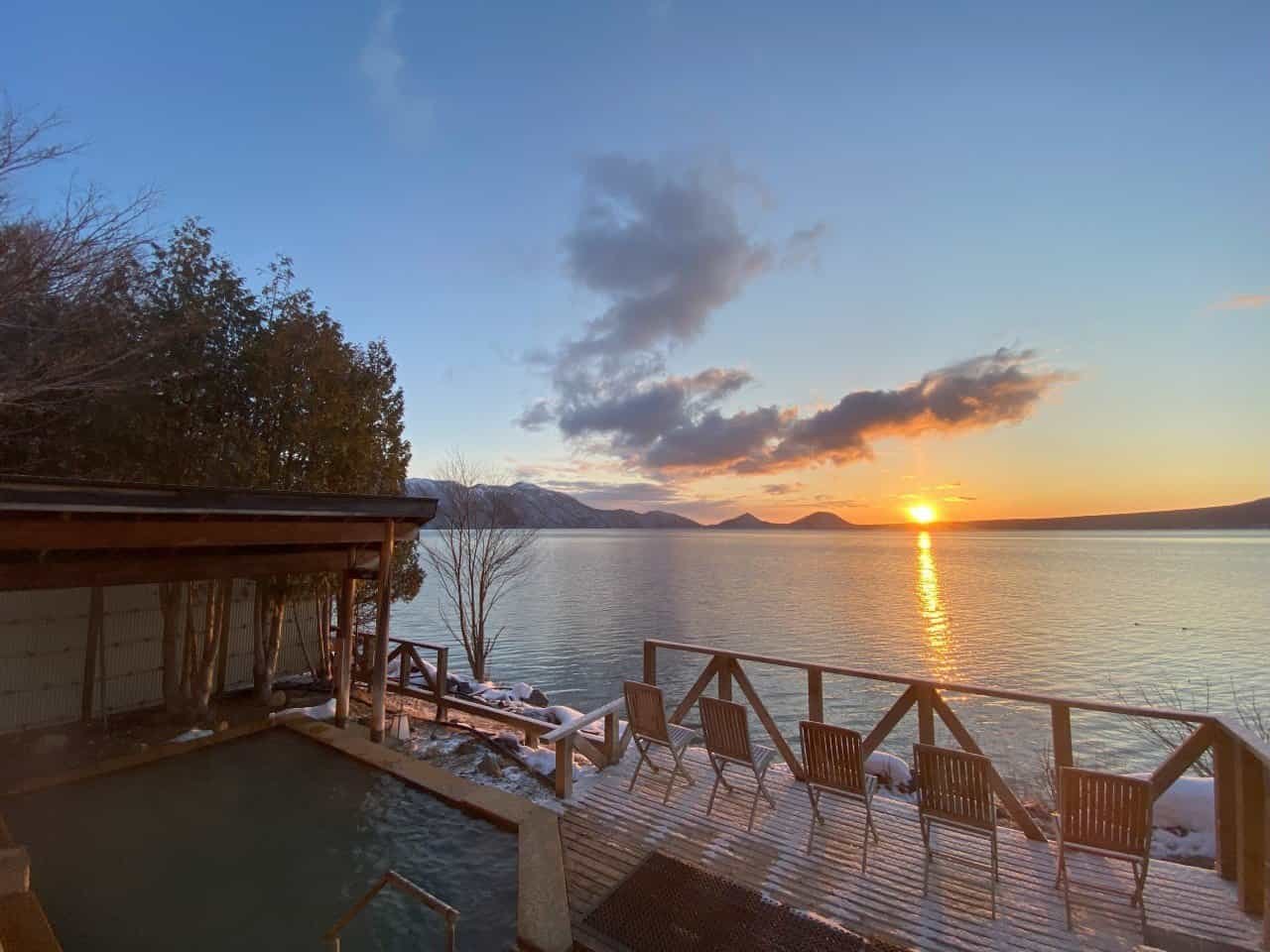
One reason to stay at Marukoma is its natural outdoor bath on Lake Shikotsu. It’s one of only 20 baths in Japan where the hot water comes straight up from the ground. You can enjoy the irori kaiseki with mountain trout and crab grilled over a charcoal hearth.
Hotel Biaclyn Hakodate
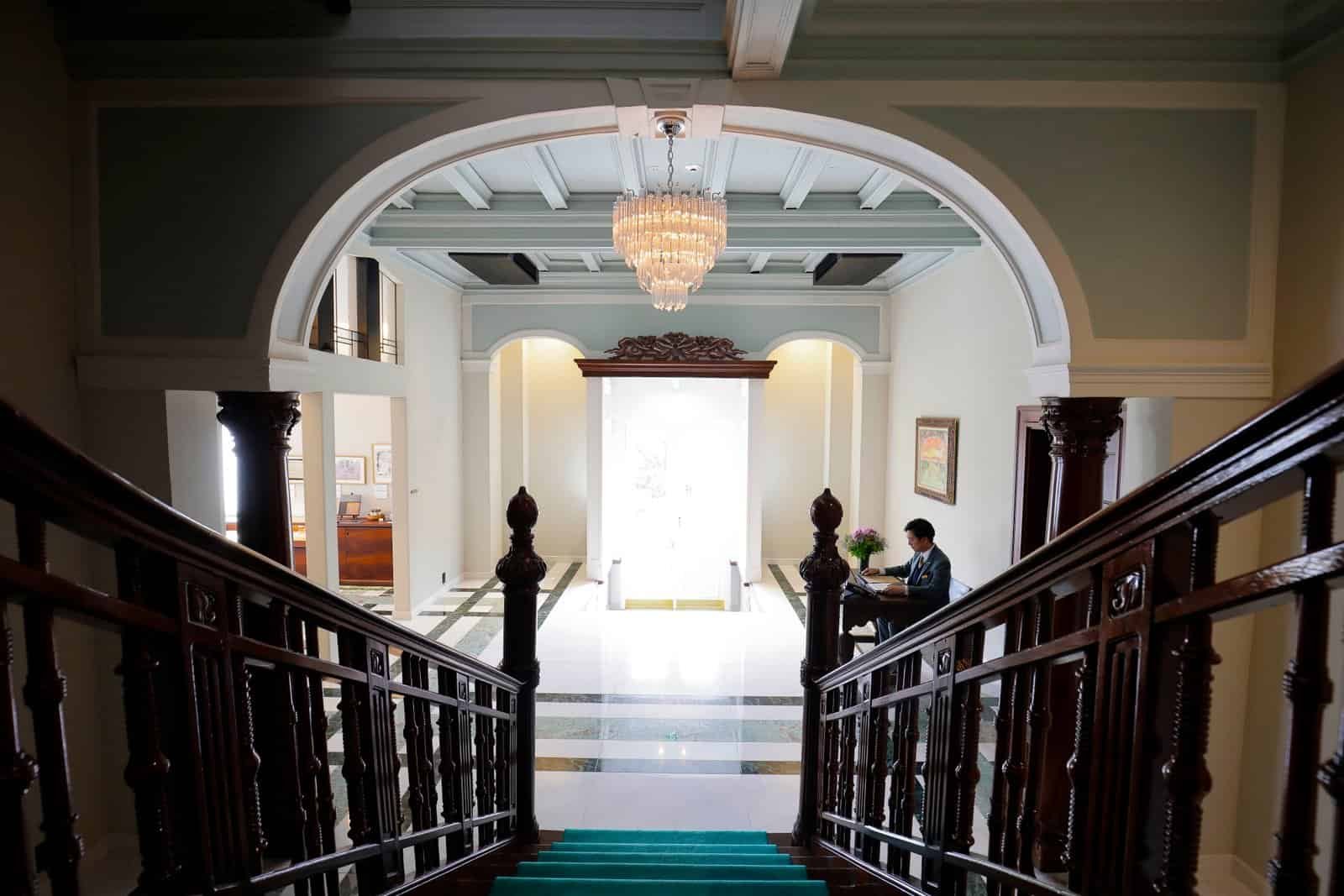
Housed inside Hakodate’s restored 1908 former Russian Consulate, the Hotel Biaclyn Hakodate, is an exclusive Relais & Châteaux hotel featuring six suites, each with its own private sauna. In September 2026, it became the first hotel in Hakodate to receive a One Michelin Key.
Akan Tsuruga Bessou HINANOZA
With just 25 rooms, all with a private open-air bath, the Akan Tsuruga Bessou HINANOZA is a quiet place to stay. Dinner is a kaiseki meal using seasonal Hokkaido ingredients, centred around their signature rockfish hotpot, alongside fresh sashimi and grilled dishes.
Kitakobushi Shiretoko Hotel & Resort
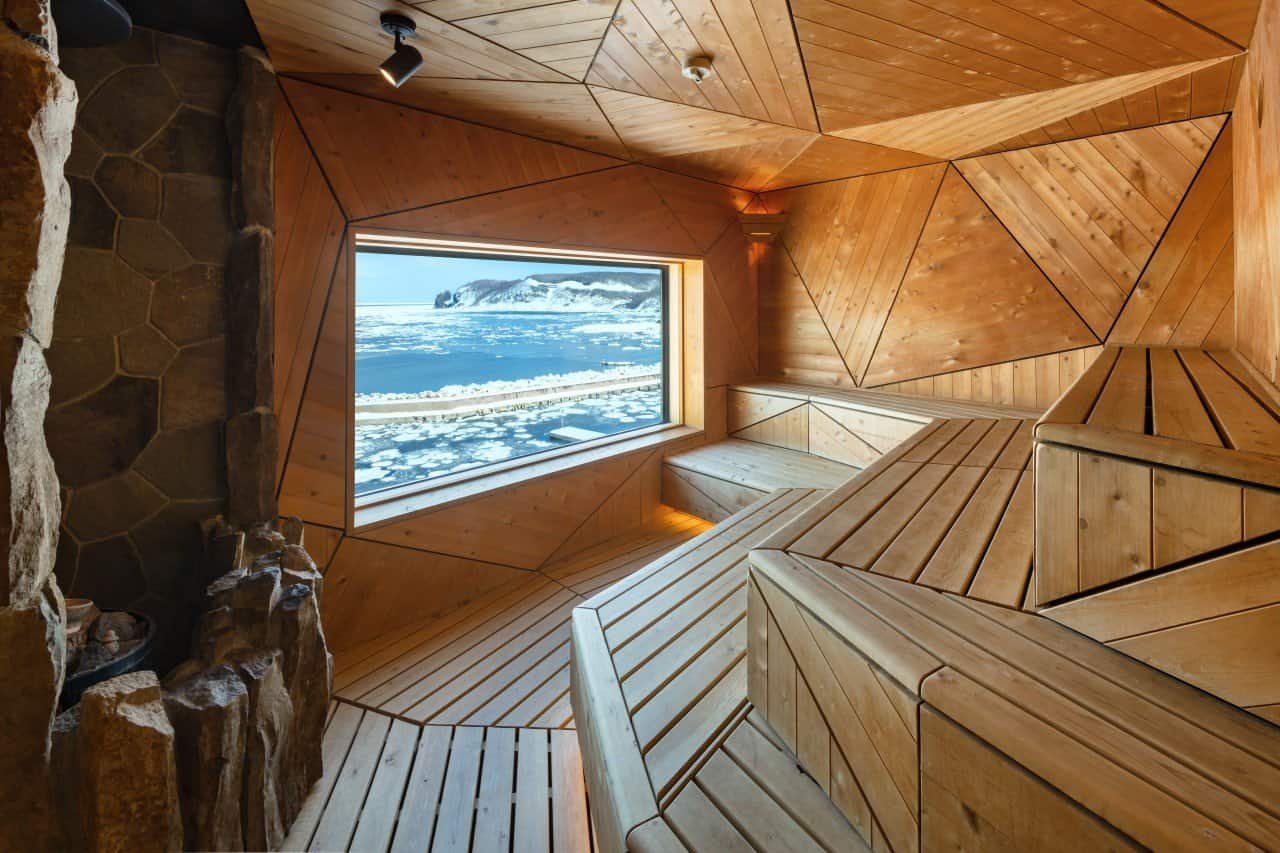
The Kitakobushi Shiretoko Hotel & Resort is located in Utoro Harbour, on the Sea of Okhotsk. This means there’s a chance to see drift ice from your room. You can also watch it from the sauna, or from Shion, the hotel’s open-air bath, while you soak.
When to Visit Hokkaido in Winter
If you’re going for the skiing, January and February usually have the best powder snow. Six of the seven festivals in the table below are on in February, which also makes it the busiest month.
For the drift ice, mid February to early March is normally the best time. The ice doesn’t arrive at the same time every year, as it depends on the wind. If it hasn’t come in yet, you can still see the cranes in Kushiro or take an eagle cruise from Rausu.
December is a good time if you’d like to see the Christmas lights in Sapporo and Hakodate, and the Ice Village at Tomamu opens just before Christmas.
Flights and trains are sometimes cancelled because of heavy snow, so we’d recommend leaving a spare day before your flight home.
Hokkaido Winter Festivals 2026 to 2027
| Festival | Where | Dates |
|---|---|---|
| Hakodate Christmas Fantasy | Hakodate | 1st to 25th December 2026 |
| Tomamu Ice Village | Tomamu | 20th December 2026 to 10th March 2027 |
| Lake Shikotsu Ice Festival | Chitose | 30th January to 23rd February 2027 |
| Sounkyo Ice Waterfall Festival | Sounkyo Onsen | 23rd January to 7th March |
| Lake Akan Ice Festival | Lake Akan | Early February to early March (dates TBC) |
| Sapporo Snow Festival | Sapporo | 4th to 11th February 2027 |
| Otaru Snow Light Path | Otaru | 6th to 13th February 2027 |
Getting Around Hokkaido in Winter
The majority of international flights will land at New Chitose Airport. From there, you’ll take the JR Rapid Airport train to get to Sapporo, which takes about 40 minutes. You can also fly into Asahikawa Airport, closer to Furano and the Powder Belt, and for eastern Hokkaido it’s quicker to fly into Kushiro or Memanbetsu.
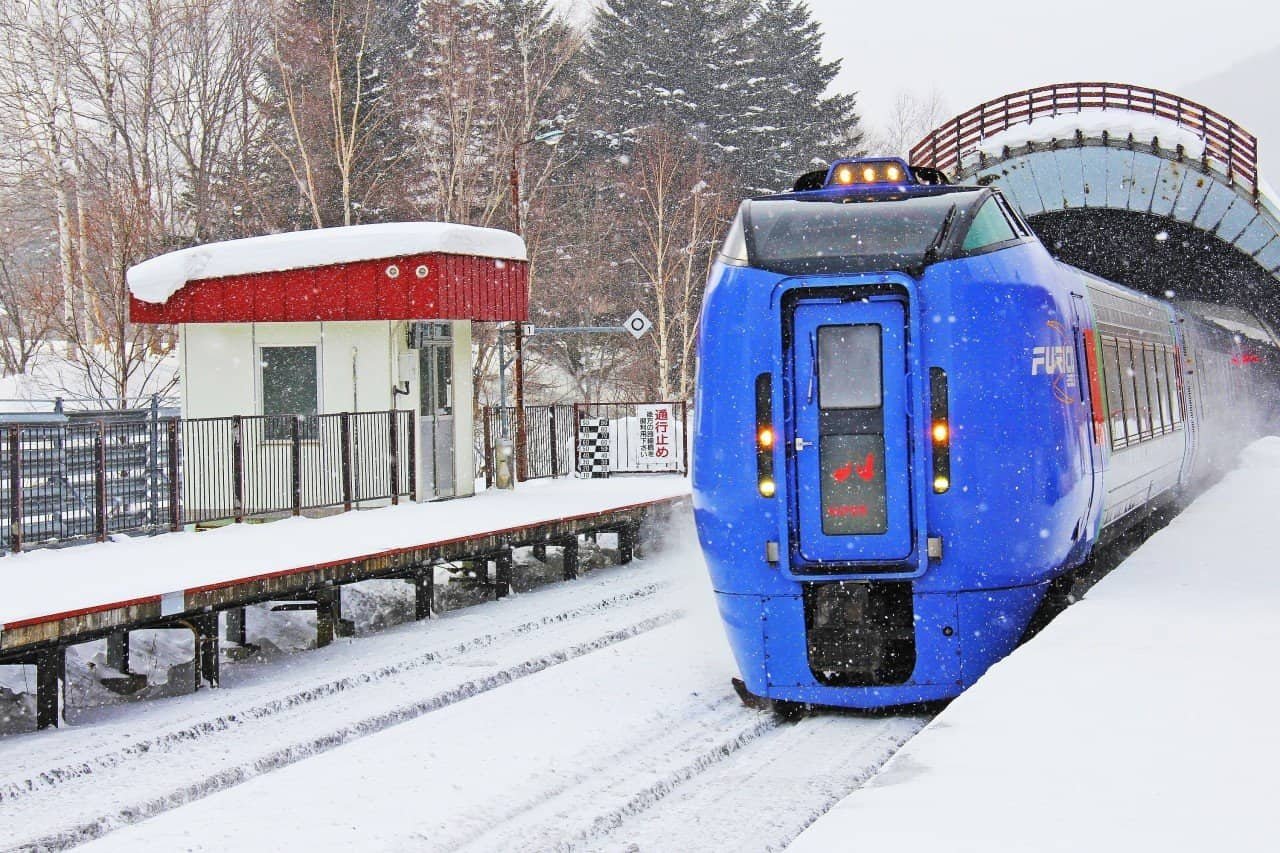
Between the cities, the train is the easiest way to get around, but as there are no unreserved seats on JR Hokkaido’s limited express trains, booking one before you get on is essential. For trips that include several longer train journeys, take a look into the Hokkaido Rail Pass. A five day pass costs ¥22,000 when you buy it before you travel, although it doesn’t include Shinkansen trips.
Hiring a car makes it much easier to reach the cranes and lakes in the east, but driving on snow and ice takes experience. Remember you’ll need to have an International Driving Permit. If you’ve never driven on snow before, it’s probably better to book a tour instead.
I’d really recommend getting the full insurance and compensation package when renting your car. Even if you’re a pro driver back home, driving in Hokkaido can be a completely different experience. Roads can be icy and slippery, and you may come across wildlife outside the cities.
Catherine from Arigato Travel
Hokkaido in Winter FAQs
How cold does Hokkaido get in winter?
Sapporo gets just below freezing during the day in January, and around minus 6°C at night. Inland is a lot colder. In Asahikawa, daytime highs are around minus 3°C, and it often drops to minus 12°C at night. Because of this, wearing thermals and good boots are a must.
Is Hokkaido worth visiting in winter?
Yes, if you like great seafood and hot springs. There’s also the powder snow as well as festivals like the Sapporo Snow Festival.
How many days do you need in Hokkaido in winter?
Four or five days gives you time to see Sapporo and Otaru, plus another area like Noboribetsu or Furano. If you want to see the drift ice in the east as well, it takes at least half a day to get there from Sapporo, so it’s better to consider planning a week for the trip.
Can you see the drift ice without a tour?
Yes, the Aurora icebreaker in Abashiri only needs a ticket. When the ice is in, you can also see it from the shore in Abashiri and Utoro. For the drift ice walks in Shiretoko, though, you’ll need to book with a guide.
Do you need to speak Japanese to travel around Hokkaido?
No, but you’ll probably want to learn some basic phrases and words. While signs at major JR stations are in English, outside of Sapporo and the ski resorts, it’s good to have a translation app or hire a guide.
Planning Your Trip to Hokkaido
We know that not everyone wants to plan the whole trip themselves, so here are a few tour operators that run winter trips to Hokkaido. H.I.S. in London can put together a tailor made Hokkaido trip for you, even if you’re travelling solo. They have sample routes for East and West Hokkaido, as well as one that combines the Snow Festival with Miyagi and Tokyo. Explore has an 11 day Sapporo Snow Festival trip that also covers Otaru and Hakodate. Meanwhile, InsideJapan Tours has a longer 15 day Winter Highlights tour. It’s timed right for the Snow Festival, and also takes you to see the cranes at Tsurui and the drift ice at Abashiri.
Our guide to Hokkaido in summer is coming soon, along with hotel guides for Sapporo and Niseko. Sign up to our newsletter to hear when they’re out, or get in touch if you have any questions about your trip.
For those who would like to know more about travel related posts in Japan, we’ve got you covered in our Travel section. Meanwhile if you’re looking for more snowy places to visit in Japan this winter, make sure to check out our guide on getting from Kanazawa to Shirakawa-go.
All information is accurate as of the date of publishing the article, but we would recommend checking all the relevant websites for the latest information.
Some of the photos in this article have been kindly provided via H.I.S. and the Hokkaido Tourism Organization.