

Irraishaimase! You’ll hear this friendly greeting welcoming you whenever you enter Japanese stores. If you are visiting Japan for the first time you might want to know the correct way to respond. Actually you don’t need to say anything! Having said that, you can always give a quick smile and small bow of the head as shop staff will always appreciate it.
So, what do you need to know before you travel to Japan? Having lived in Japan for 18 years, I’ve seen where most travelers get stuck or make a mistake. For each year I’ve curated a tip, and these 18 essential insights will save you time, money, and embarrassment on your 2026 trip.
Do you need the Japan Rail Pass for Shinkansen journeys?

Since the 2023 major price increases, the JR pass is not something you should automatically buy for your trip. It is now generally only cost-effective if you are planning a multi-city itinerary with four or more long-distance Shinkansen journeys like from Tokyo to Osaka or Fukuoka in a short window.
Always use a JR Pass Fare Calculator before you buy. For most travelers, especially on trips going between Tokyo and Kyoto, buying individual Shinkansen tickets (which also get you seats on the fastest Nozomi and Mizuho trains) is both cheaper and more flexible.
Extra thing to be aware of: JR Group has announced a price increase for third-party sellers effective October 1, 2026. If you do decide a pass is right for your route, I recommend booking directly through the official Japan Rail Pass website to lock in the best rates.
One thing to keep in mind is that you will want to consider how many nights you want to stay in each destination. You definitely don’t want to rush around and get tired ticking off sightseeing boxes. The seven day route above works if you are willing to stay less than 2 nights in either Hiroshima or Osaka. Here is where planning before you fly to Japan is best. Have a look at places on your bucket list, look at train prices using Japan Travel by NAVITIME, and then decide if you need the JR Pass or not.
* You can get the JR Pass if you are a Japanese citizen provided that you have proof that you have been living abroad for 10 consecutive years or more.

Japan Travel Essentials (2026 Edition)
Save this quick checklist to ensure your trip goes smoothly:
- 📱 Connectivity: Get an eSIM (Airalo or Ubigi) before you land.
- 💳 Payments: Cash is still king, but add a Suica or Pasmo card to your phone.
- 🚄 Transport: Use a calculator as the JR Pass is only worth it for heavy long-distance travel.
- 🥢 Etiquette: Don’t eat while walking, and remember: tipping is not part of the culture.
- 🧳 Pro-Tip: Use Takkyubin (luggage forwarding) to ship bags between hotels.
Japan Travel Tips for Journey Planning
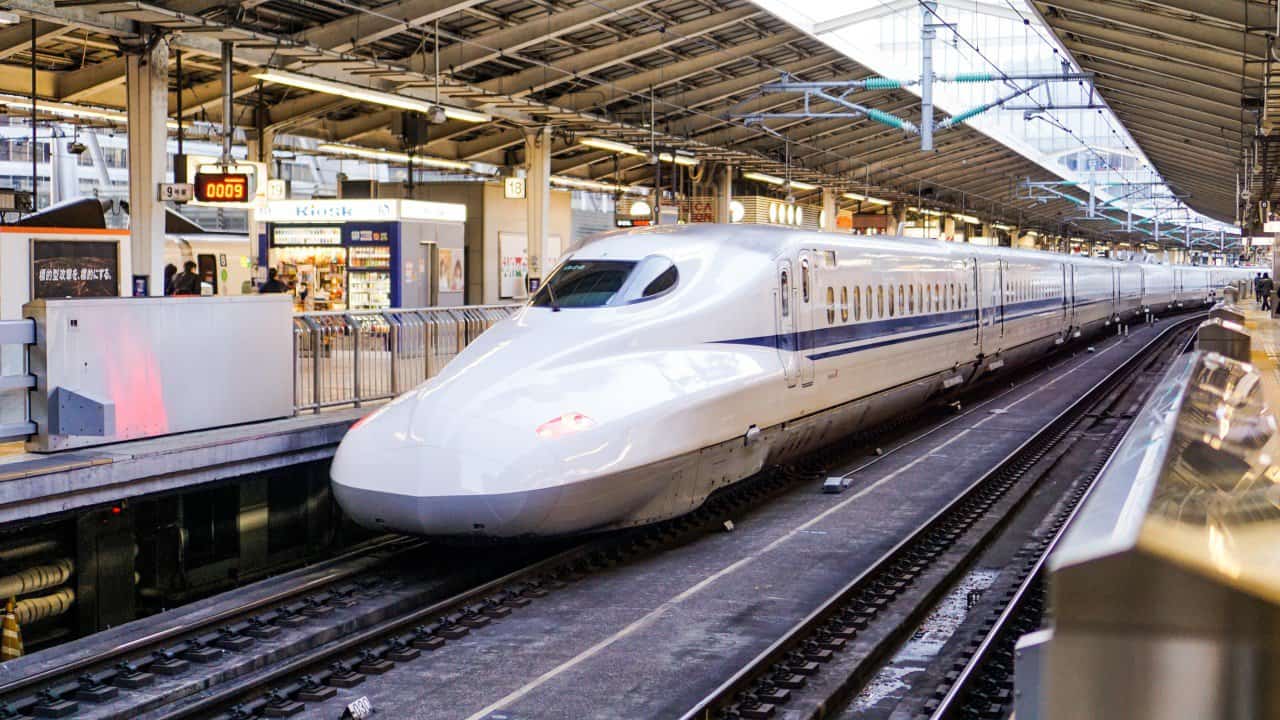
When planning out your journeys for Japan, you’ll find Japan Travel by NAVITIME super helpful. For most travellers, this is the best alternative to older planning tools. It offers detailed route options including costs, transfer times, and platform numbers, and crucially, it allows you to filter your search by ‘JR Pass’ to see if your route is covered. For day-to-day navigation within cities, Google Maps remains the gold standard, providing up-to-the-minute transit alerts and easy-to-follow directions that sync perfectly with your mobile device.
Extra tip: Remember that when travelling to and from Osaka, the Shinkansen bullet train station is called Shin-Osaka.
Suica, Pasmo or Manaca IC Card in Tokyo?
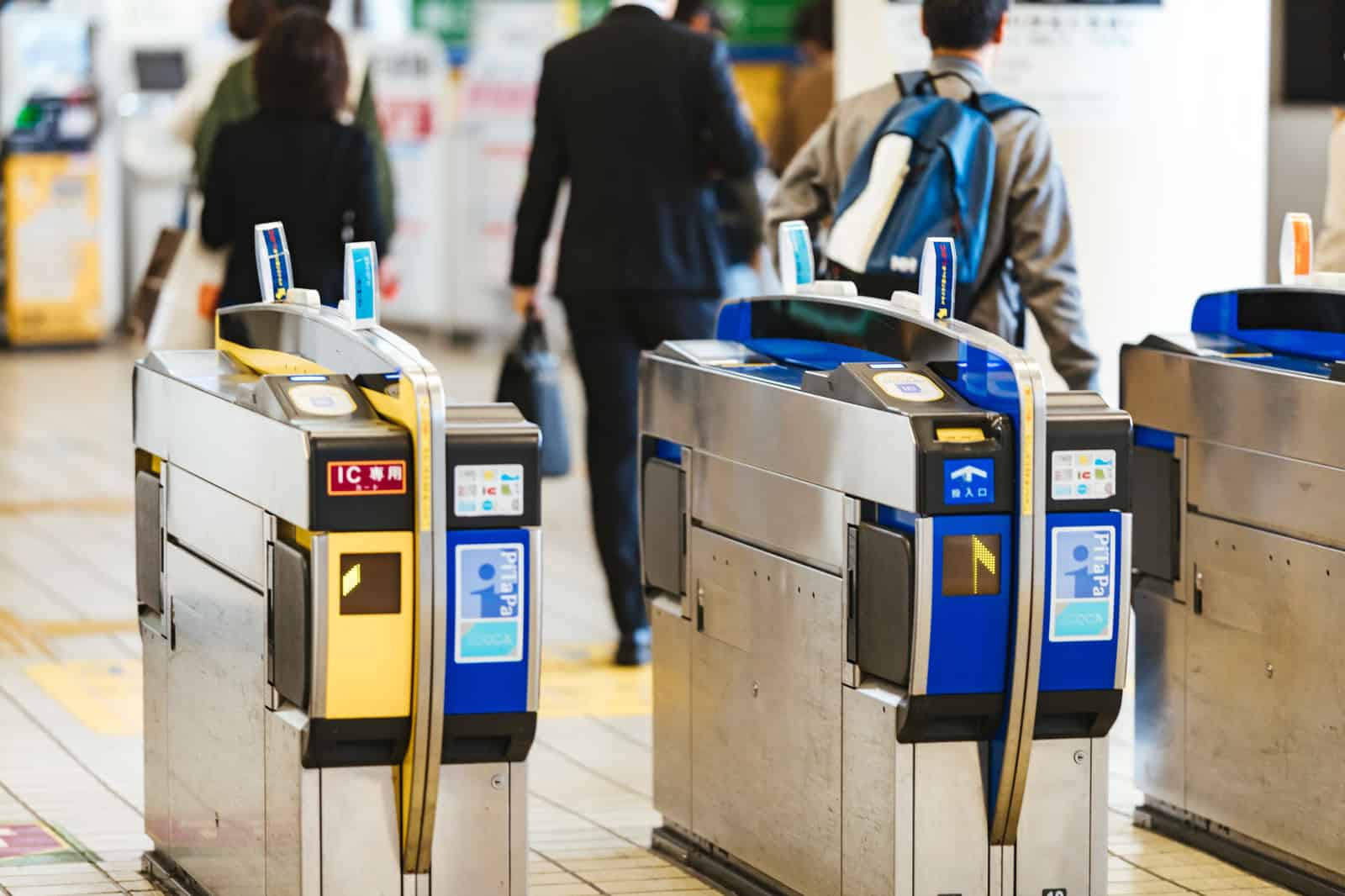
The “Oyster Card” of Japan: Your IC Card Strategy (2026 Edition)
If you take one piece of advice from this entire guide, make it this: get your IC card set up before you even land in Japan.
Think of a Suica, Pasmo, or Icoca card as your “key” to the country. It’s exactly like London’s Oyster card where you tap it to pay for trains, buses, and subways. But in 2026, the days of hunting for a physical plastic card at a Japan station machine are over.
My expert advice? Don’t waste your holiday queuing.
Most travelers arrive and spend their time trying to buy a plastic card that might be sold out. Instead, do what I do: add a Suica, Pasmo, or Icoca card directly to your smartphone’s digital wallet (Apple Pay or Google Pay). It takes thirty seconds, works perfectly, and is ready the moment you step off the plane.

Why you need one:
- True Interoperability: Whether you buy it in Tokyo (Suica/Pasmo) or Osaka (Icoca), it doesn’t matter. They all work seamlessly nationwide. You can tap your way through Tokyo’s subways, catch a bus in Kyoto, and pay for your coffee in Hiroshima, all with one digital tap.
- Beyond Transit: I use mine for almost everything. Convenience stores (konbini), vending machines, and even lockers. So it’s the fastest way to avoid fumbling with yen coins while a line of commuters waits behind you.
- The “Small Change” Hack: While they don’t offer huge discounts, they do shave a few yen off your fare compared to paper tickets, and the sheer convenience of skipping ticket machine queues is worth its weight in gold.
Pro-Tip: If you are an iPhone user, the integration is flawless. Just open your Wallet app, add a transit card, and you’re set. If you absolutely must have a physical souvenir card, the “Welcome Suica” is the current visitor standard, but you may not be able to get one. My advice is to go digital and start your trip stress-free.
Wi-Fi and eSIM Japan Travel Tips
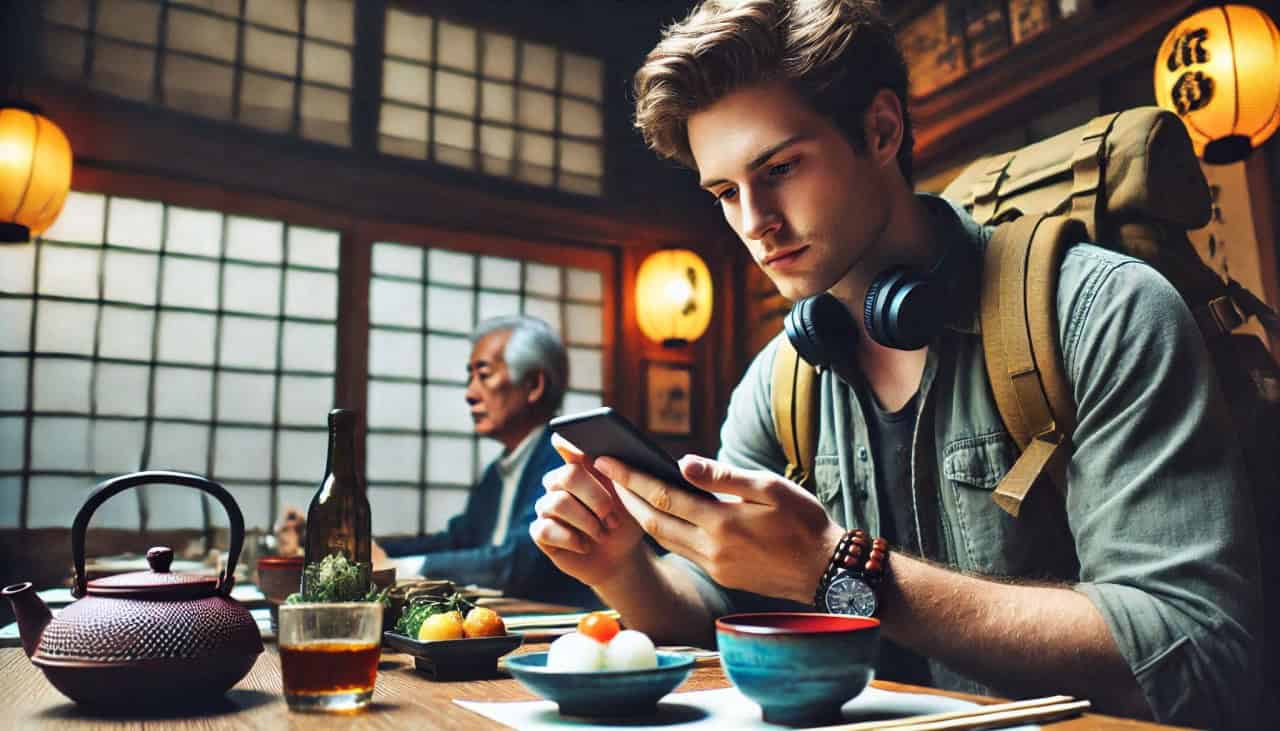
When travelling abroad, you want to be able to use your phone without worrying about high roaming bills when accessing data. You also don’t want to worry about choppy Wi-Fi at stations when trying to figure out which train to catch.
So one of the most practical Japan travel tips is to get an eSIM instead of having to worry about carrying a portable Wi-Fi device or exchanging your phone SIM card for a local one, we recommend getting an eSim such as one from Airalo or Ubigi. For more info on eSIMs and the operators, you can check our post of the Best eSIM for Japan Travel.
Two more benefits of getting an eSIM app are that you don’t need to spend time on your last day giving your portable Wi-Fi device back to the provider, and you don’t need to worry about it running out of battery.
Japan Travel Tips for Luggage forwarding
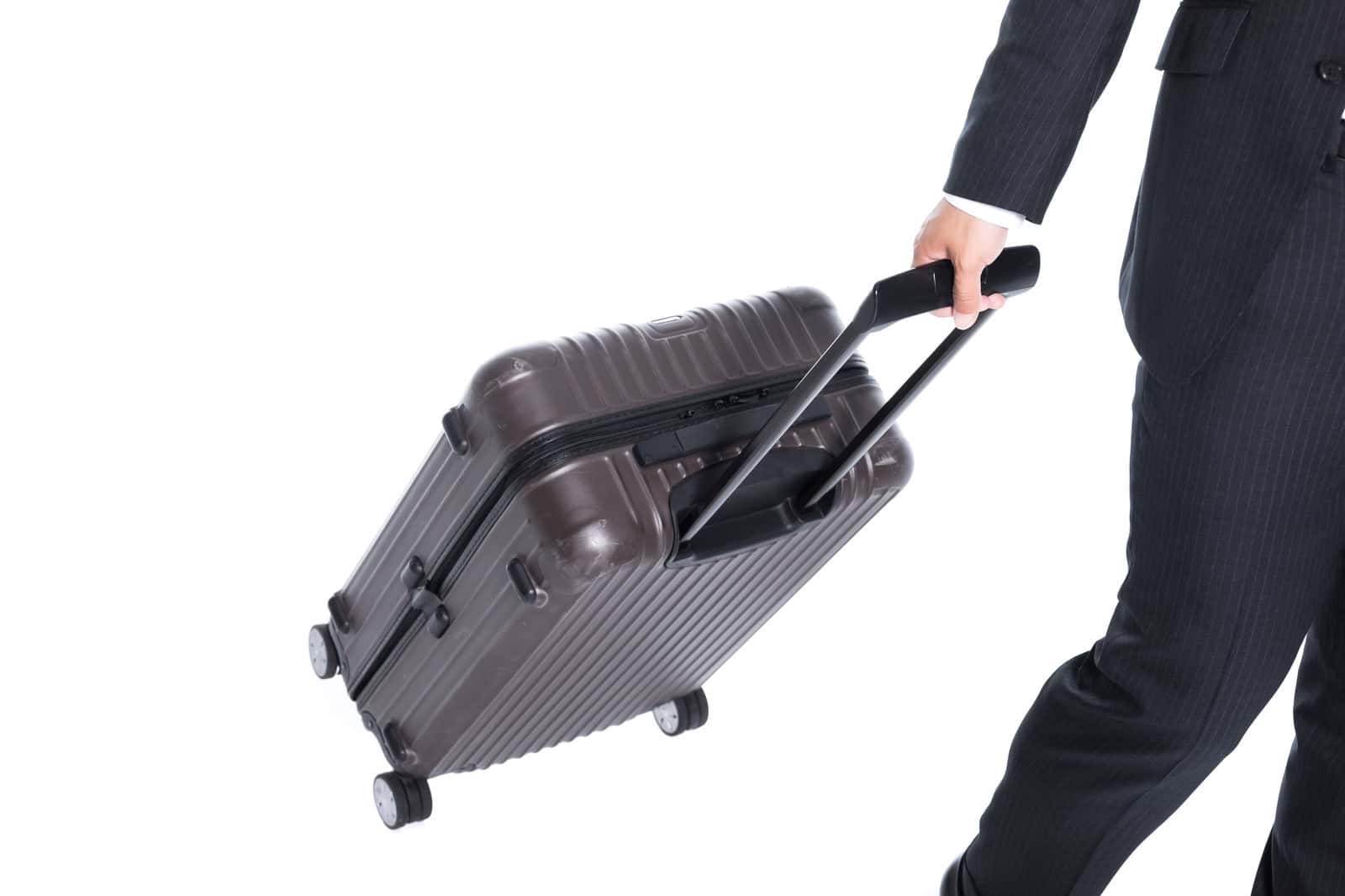
Out of all our Japan travel tips we have to say this is one of the most useful. Luggage forwarding services in Japan are extremely efficient and convenient. Instead of attempting to move around with large suitcases in crowded train stations or when traveling in rural Japan, you can forward them to your next destination from your hotel reception.
Like trains and buses, the luggage forwarding services do work like clockwork. You receive your luggage the following day after sending, so you only need to take an overnight bag with you. It’s not expensive and it will save you a lot of hassle. Yamato with the easily recognisable black cat logo is probably one of the most well known.
Also since 2020, you need to reserve special seats on Shinkansen trains if the overall dimensions of your suitcase or bag is greater than 160 cm. While this does not cost any extra money if you reserve in advance, there are only 5 seats with an oversized luggage area at the back of train carriages where you have space behind for your luggage. So you can imagine these will get taken up quickly. Alternatively, you can purchase your seat with an oversized luggage compartment in advance although you’ll need to have an IC card to use it. For more details, check the JR Central’s website page.
Please note there is a 1000 yen baggage fee if you do not make a reservation!
No tipping!
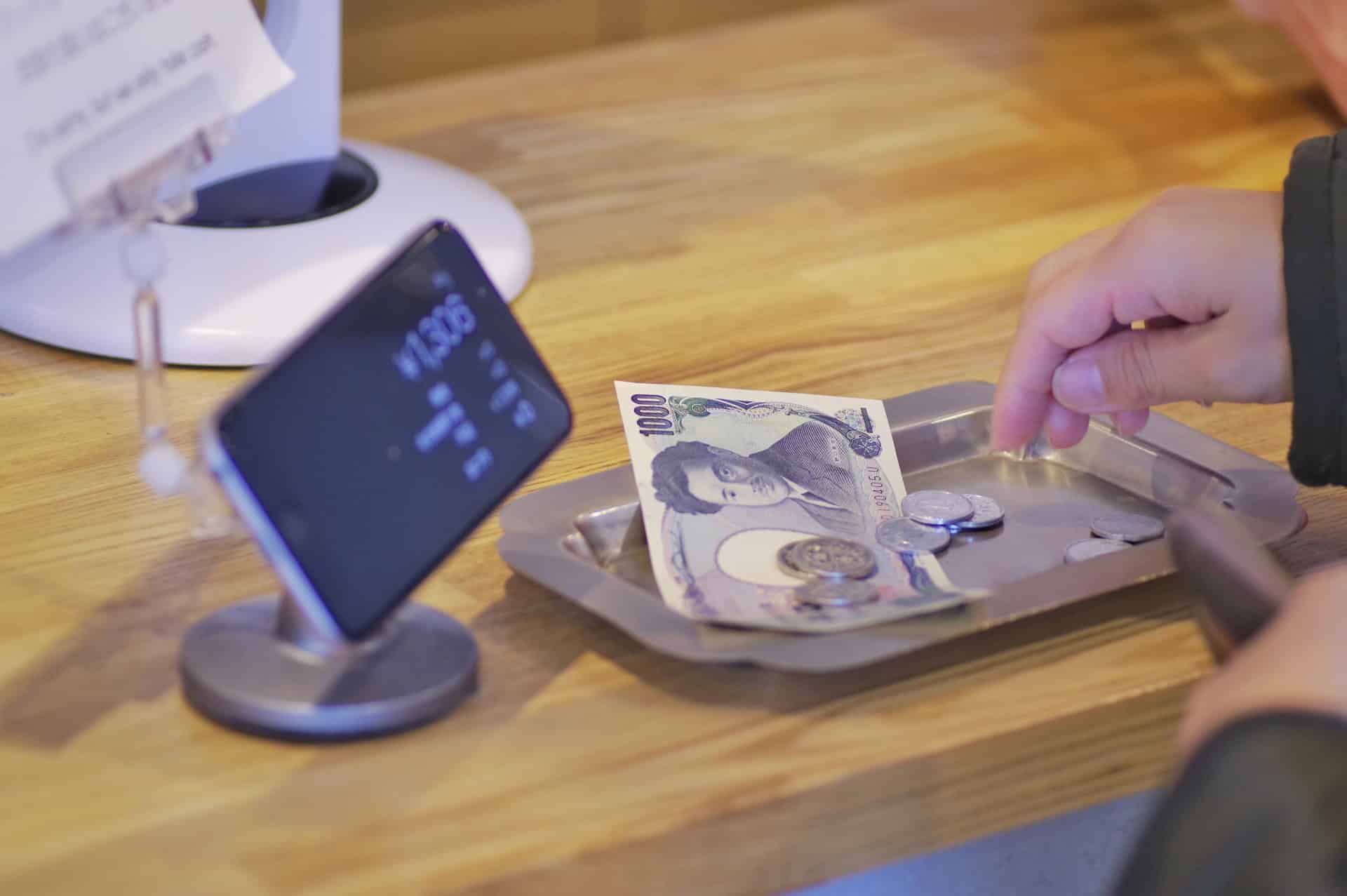
When in Japan, remember that you do not have to give tips when eating out or taking a taxi. When it comes to our list of Japan travel tips, this one will definitely save you time trying to work out what percentage would be considered too low. Note that in Japan, the service should always be excellent. If for some reason you tried to give one anyway, then your tip could be refused. Having said that, if you say to a taxi driver “Keep the change (Otsuri wa irimasen お釣りはいりません)”, most likely the taxi driver will keep the change, so this will be the way to give a taxi driver a tip.
When is the best time to travel to Japan?
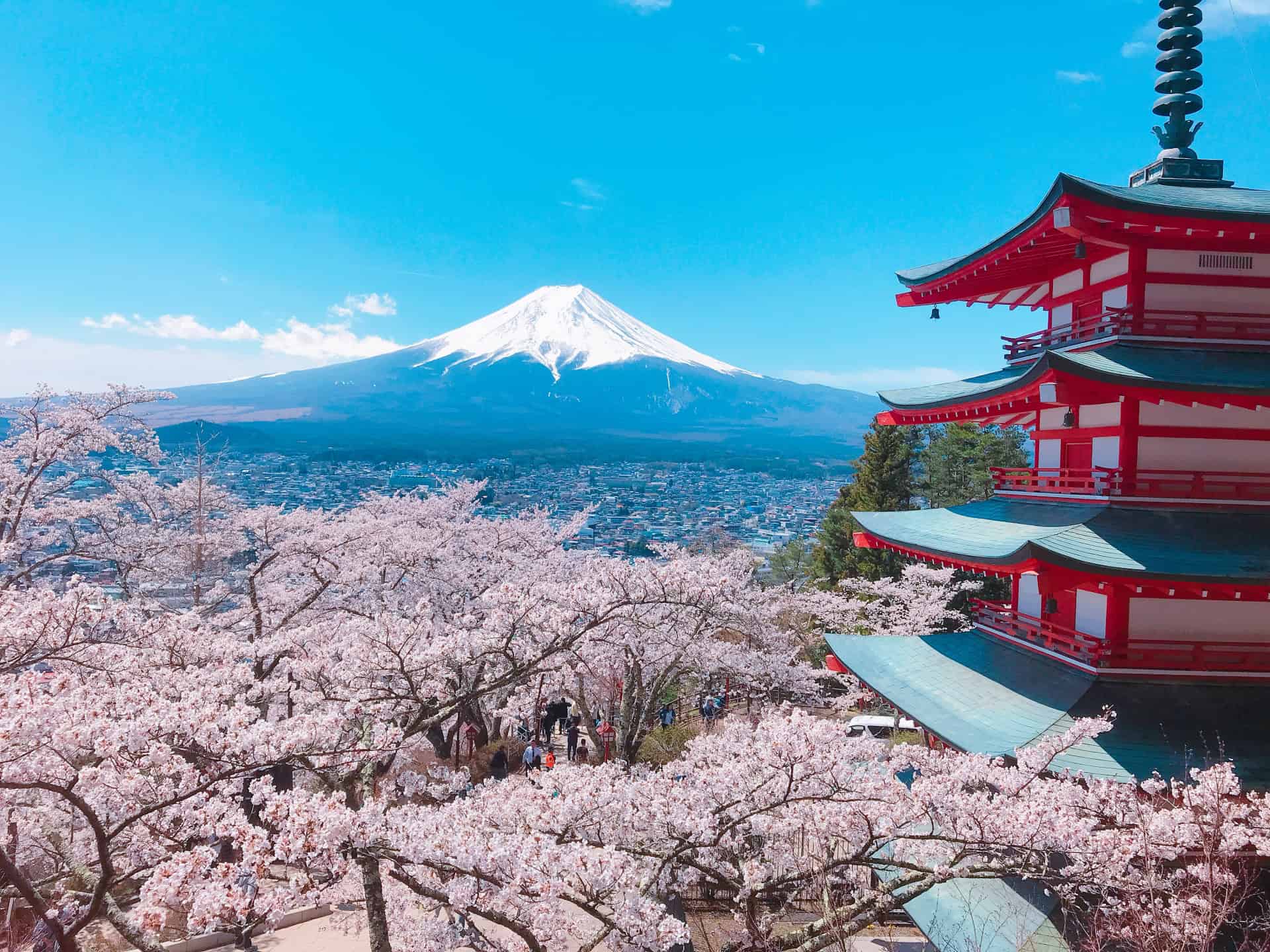
Japan travel tips most popular times of the year are of course during the cherry blossom season in March to April, and for the magnificent autumn leaves which change colour from October in colder northern regions of Japan to mid-November for many cities in central Japan. If you are planning your itinerary for an upcoming trip, keeping these Japan travel tips in mind will help you make the most of your visit.
A busy time of the year to avoid in Japan is going to be during Golden Week in May when there are many national holidays and train operators struggle to deal with the capacity of passengers. Another time that could be difficult to travel in Japan is the first week of January as this is when Japanese people spend time with their family and many places are closed. For more details, read our post of When is the best time to visit Japan.
Removing shoes not only at Onsens

Japan travel tips online often talk about this rule. But remember you don’t always need to take them off. But in general, the easy rule to follow is whenever you see a Tatami mat, you take off your shoes. You don’t want to get the Tatami mats dirty or damaged. While on the subject, when staying in ryokan accommodation with Tatami mats, make sure you carry luggage over them. Rolling your luggage over them could easily ruin the mats.

Another place to take off shoes is when there is a raised wooden floor by the entrance. In restaurants, accommodation, temples or sightseeing spots, you’ll see other shoes lined up neatly to the side which makes it fairly obvious. In some restaurants, you may see lockers by the entrance where you store your footwear.

Big one to remember is that toilets will often have their own special slippers! So here be careful to firstly wear these slippers when in the toilet. Secondly, remember to take off these slippers when you come out of the toilet!
Extra Japan Travel Tips: Make sure you don’t have any holes in your socks when packing, and take extra socks if you are worried about walking barefoot inside any buildings.
Japan travel tips: Politeness guide

In Japan, there are a few things to be aware of and these Japan travel tips are ones you should definitely follow. First, you shouldn’t be talking on the phone in trains or listening to music at a volume that disturbs others. If you do, you’ll be told not to by the train staff. Second, don’t blow your nose in public. Third – don’t eat while walking on the street.

The other things to consider are probably similar to general conventions around the world. You should not be speaking too loud in public and you shouldn’t point at anyone. Make sure you do clean up if eating in a park and take rubbish with you. Also, be careful to separate rubbish into the burnable and recyclable bins. If you are wondering where to find them, they will be in most convenience stores.

Finally, don’t smoke on the street. This is actually not just about being polite but there are many non-smoking designated areas in major cities. If you are caught smoking in these built up areas, you may be caught and given a fine.
Bring cash
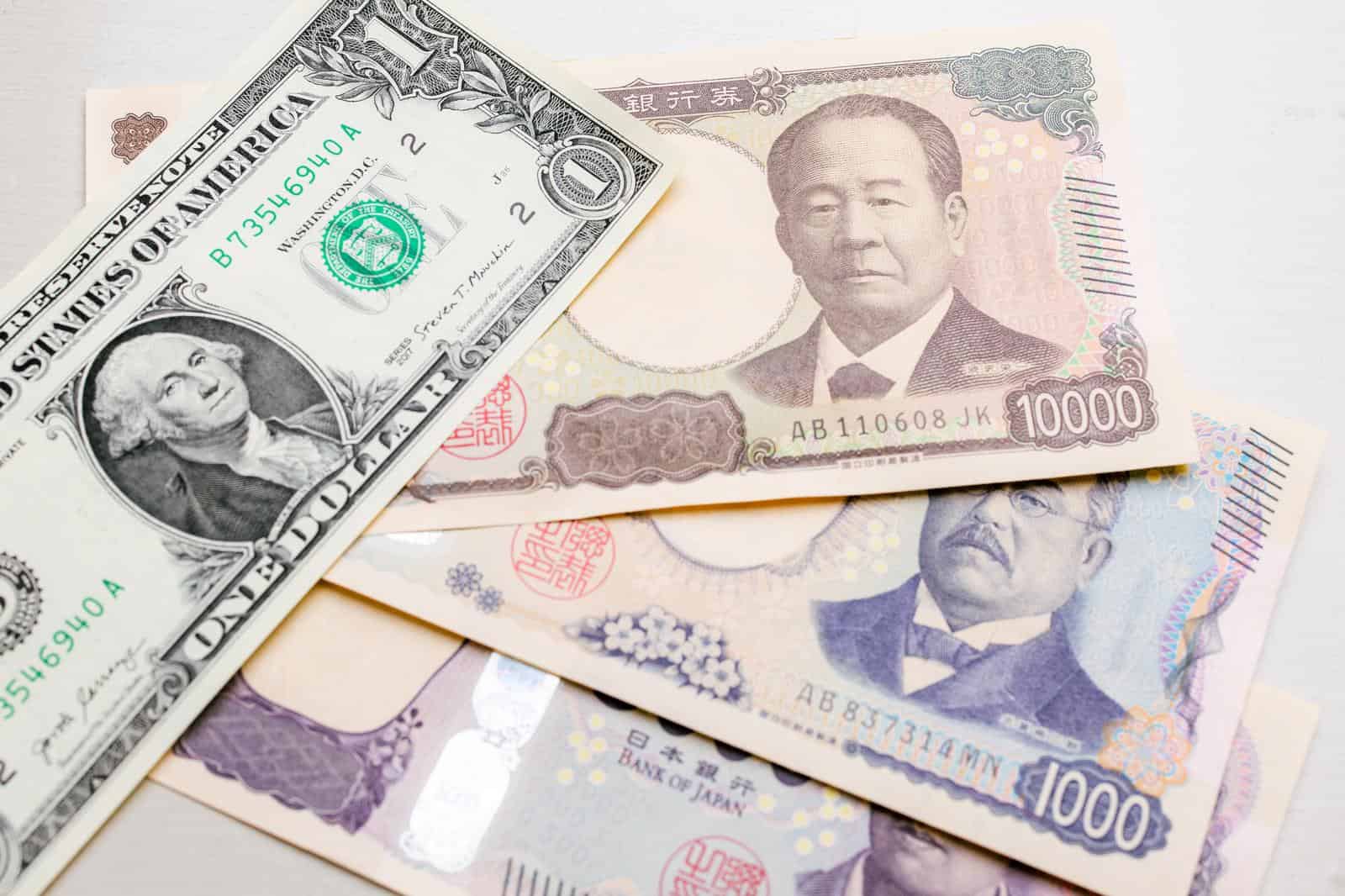
Japan is known as being a cash-orientated society and you will need cash when travelling in Japan. Out of all the Japan travel tips covered here, many guides will highlight this tip because some places such as temples, shrines, and local stalls only accept cash.
When it comes to taxi companies–most now accept payment through IC Cards or credit cards but just in case always have some cash on you, or ask before starting your ride especially in countryside areas. We would recommend exchanging and taking cash before flying to Japan. However, you can also withdraw cash from a 7-Eleven convenience store ATM or post office ATM.
Buy tickets in advance

Be warned–do not expect to get tickets for the most popular attractions on the day you go. Many require booking in advance which is why we include this as one of our most important Japan travel tips to avoid disappointment when you travel. Tickets that often sell out quickly include Tokyo Disneyland, Tokyo Disney Sea, Universal Studios Japan and teamLab Planets Tokyo. For Ghibli Park, check our post of Ghibli Park and Ghibli’s Grand Warehouse Guide.
Also, when considering restaurant reservations, especially for non-chain restaurants, it is a good idea to book ahead. However, please do not cancel on the day or even worse cancel last minute. It is not only extremely rude but makes it hard for all international travellers to make future bookings.
Check your medication☆

Our list of Japan travel tips has to include this as you don’t want to get caught out. Generally over-the-counter medication is allowed in Japan, but there are a few exceptions such as medication that contains stimulants. Be careful as Actifed, Sudafed and Vicks inhalers come into this category.
If you have a medical prescription that involves the use of narcotics like morphine, codeine, and oxycodone, you will need to submit an import application form, photos, and a medical certificate from your doctor. For a full list of narcotics and controlled substances for medical use in Japan that require permission before travelling to Japan, please check the Narcotics Control Department website.
Important tip: It can take 2 – 3 weeks or longer to get all your documentation in order and to receive certificates for bringing your medication into Japan. If you are under the 2 week stage, you can write “URGENT” in the email subject line. It is also illegal to try to post banned medication to Japan so don’t attempt this.
Japan Travel Tips for dietary restrictions☆
Although Japanese food is extremely varied and healthy with many options ranging from sushi to noodles, travelling with dietary restrictions in parts of Japan can be tricky. There is definitely more awareness of dietary requirements in the last decade, although knowledge of the Coeliac disease remains low.
Two resources we are including in our Japan travel tips list that will be particularly helpful are LegalNomads article on the Essential Gluten Free guide to Japan, and the Happy Cow website which has an abundance of vegetarian restaurant recommendations in big cities all over Japan. Also, if you are looking for a Halal-friendly restaurant, we’d suggest checking out Halal Gourmet.
Purchase travel insurance
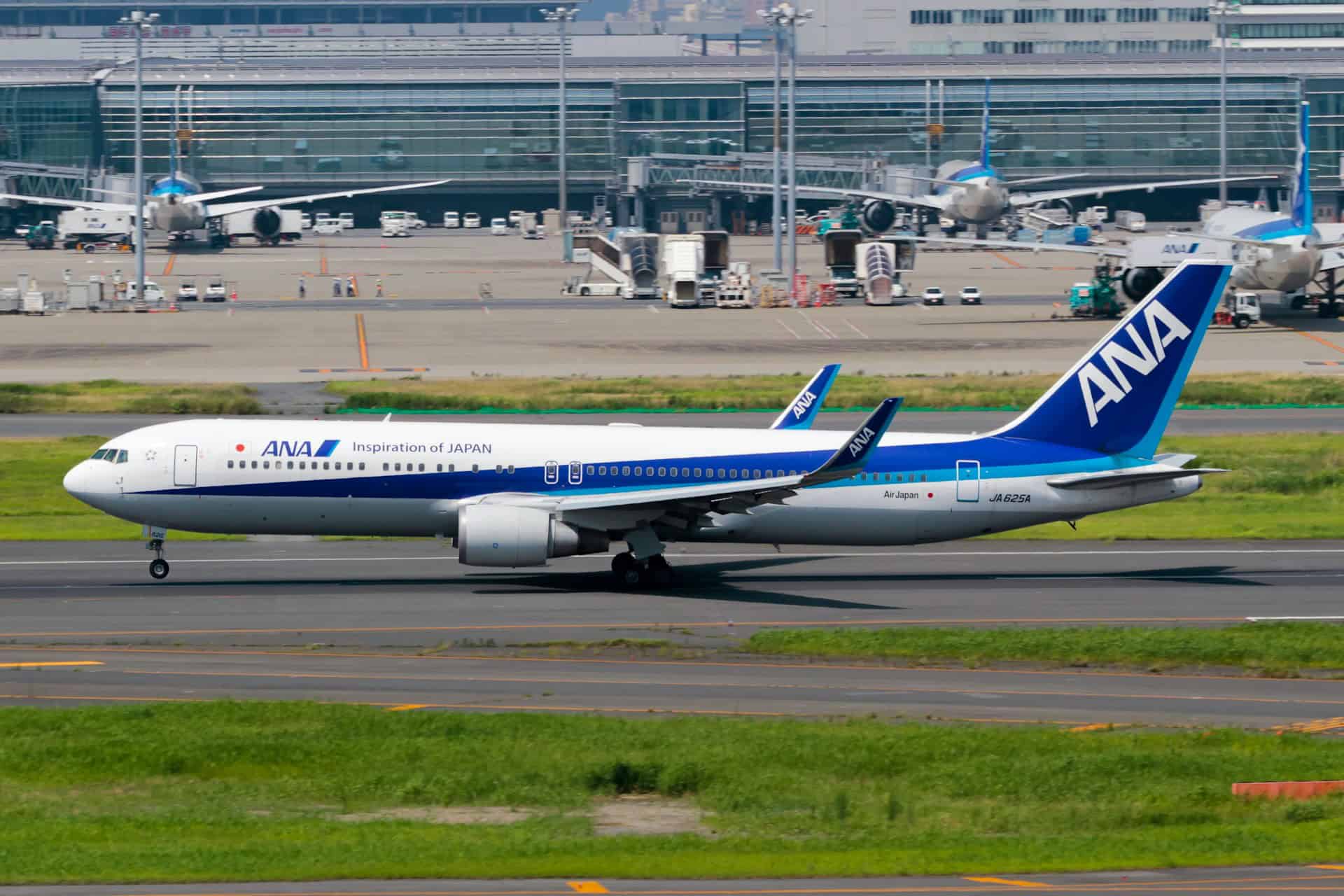
Remember to get travel insurance before you fly to Japan for peace of mind. By taking the time to follow essential Japan travel tips like this ensures you will be covered in the event your luggage gets lost or there is some hold up with flights such as at Heathrow or Haneda airport. Make sure the coverage lasts the entire duration of your Japan trip and covers cancelled hotels, planes, lost luggage, theft (rare in Japan), damage to your luggage, and of course medical care.
Wearing face masks

Japanese people have been wearing face masks for many years well before Covid-19. The idea has always been to protect yourself from colds and flu, and to avoid passing on any sickness to others. It’s common to see Japanese people wearing face masks in public when they’re coughing and sneezing or during hay fever season, usually in March and April.
Another reason for including this in our list of Japan travel tips is that even during the hot summer season, you will see some Japanese people wearing masks to protect themselves from contracting any sickness, and they will expect you to wear a mask in public if you’re coughing and/or sneezing. The recommended masks are non-woven surgical masks and you can buy these at pharmacies or convenience stores across the country.
What are important Japanese travel phrases to know?
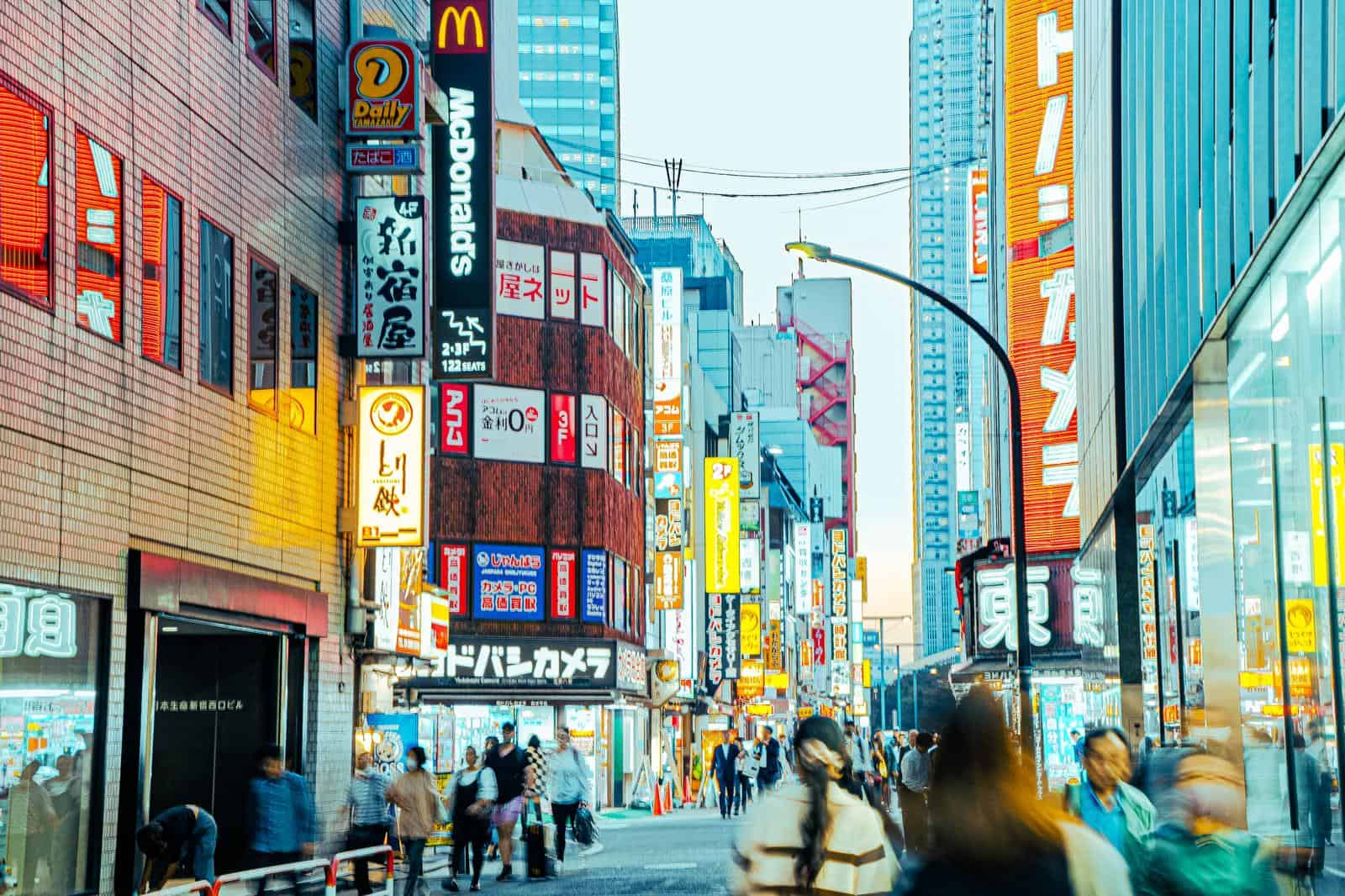
It’s only going to take you a few minutes but learning how to say thank you (Arigatou gozaimasu) and please (Onegai Shimasu) will obviously make a lot of difference. Japan travel tips often emphasize the important of basic phrases to enhance communication, and there are plenty of free online resources such as NHK’s Easy Travel Japanese where you can learn useful expressions from 3 minute short videos. Remember that “Sumimasen” (Excuse Me) will be helpful to get attention in restaurants. When crowded, don’t be afraid to say it in a loud voice!
Useful Travel Japanese 101
- (O-Mizu) wo kudasai = Please can I have some (water)?
- (Eigo no menu) wa arimasu ka? = Do you have (an English menu)?
- (Toire) wa doko desu ka? = Where is the (toilet)?
- Watashi no namae wa (John Smith) desu = My name is (John Smith).
- Ikura desu ka? = How much does it cost?
Using Google Translate
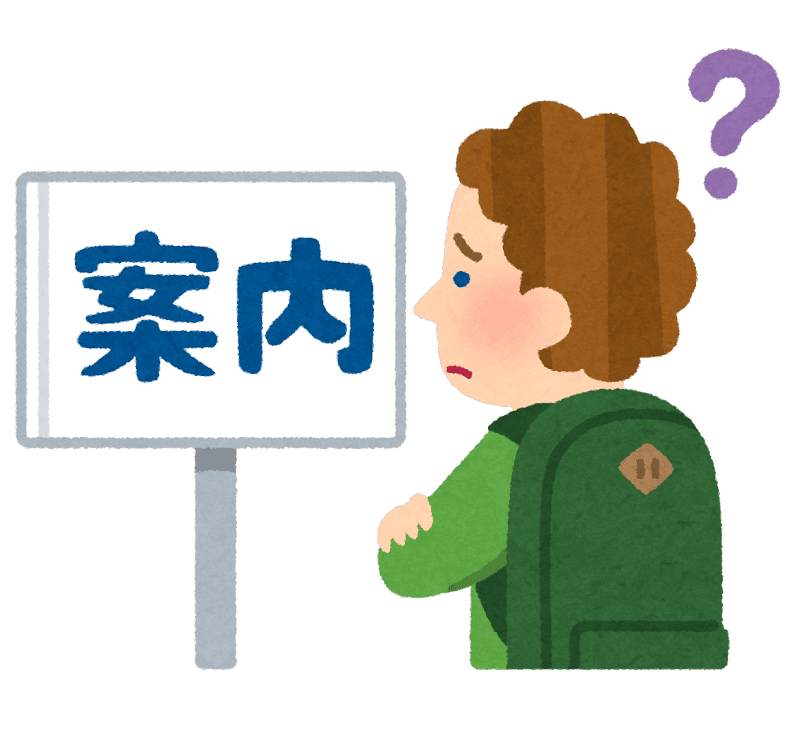
Remember that if you are struggling to understand a Japanese menu or a sign, you can always use the Google Translate app to do the translation for you. All you need to do is hover your phone over the text you want to read, and the app will translate this into English or the language you prefer.
Sharing your Japan trip with family and friends
Japan offers landscapes and experiences so distinct from Europe or the US that you’ll likely return home with thousands of photos and clips. However, the most common challenge I see travelers face is the ‘editing bottleneck’, by which I mean having all that great footage but never actually getting around to sharing it. For me, some of my photos or reels I took in Japan are still waiting to be uploaded to our Instagram account!
Personally, I’ve found that using automated tools like Invideo is the most effective way to solve this. It’s a game-changer if you want to turn your raw clips into professional-looking Reels or TikToks without spending time on your trip (or your post-trip recovery time) behind a screen. It’s a practical workflow hack for anyone who wants to actually share their journey with family and friends rather than letting it sit in your phone for years.

Looking for Flights to Japan or Hotel Accommodation?
Finally, if you’re searching for flights to Japan or hotel accommodations, you can get the latest prices and information on Google Flights or Skyscanner. Coming to the last of our Japan travel tips, but if you’re travelling to Nagoya for Ghibli Park, Osu Kannon, or more traditional sightseeing spots, we’ve compiled our picks of the top 15 hotels in Nagoya. For those who are passionate about Japanese food, we’ve also rounded up the 20 best Japan Food Tours throughout Japan which we hope will come in handy.

